Tag Archives: Macedonia

Off to ex-Yugoland

25 Apr

IMG_0217

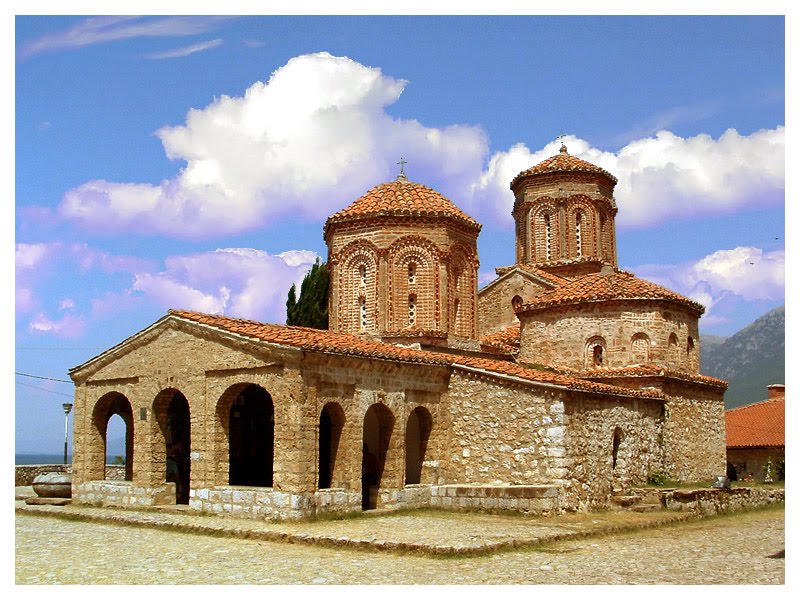
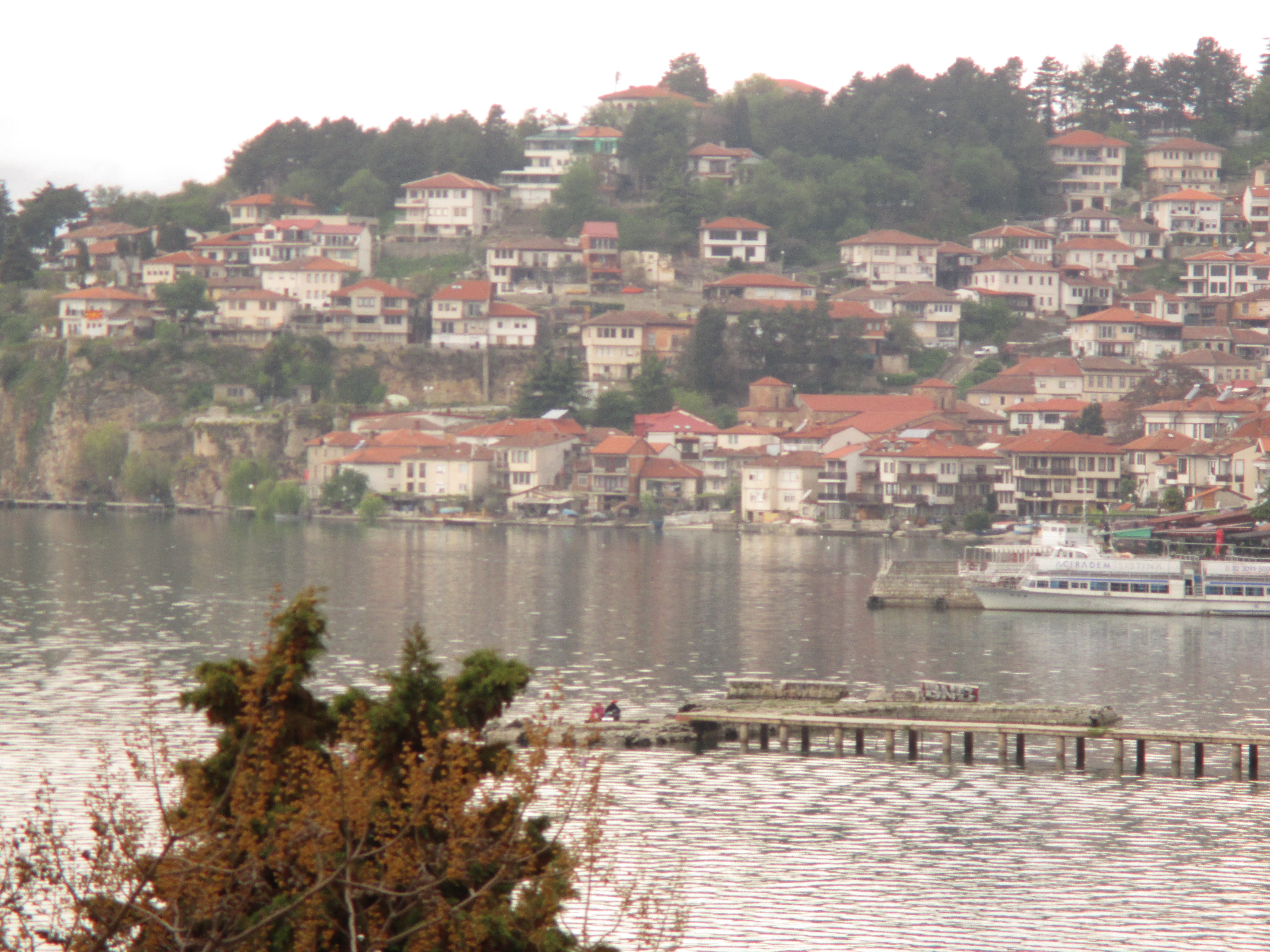
Ochrid, Macedonia

This was the summer that I would finally do it.  Me and a friend are off for a two-week tour through Macedonia, Kosovo and Montenegro.  (And yes, we’re calling it Macedonia and if anybody has a problem with that….emmm…tough shit; don’t read this blog.)  This is effectively the second leg of my journey; the first part was a visit to the monastery of Hilandar on Athos.  If I have the time and money I may do a Sarajevo to Belgrade run later in July.

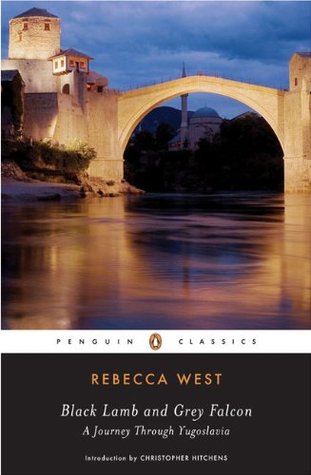
I think you have to understand the degree to which I’ve saturated myself in everything about this part of the world for twenty-five years to understand my excitement.  When we crossed the border into Macedonia last night I nearly pissed on myself.  If you want to come with me on this trip in spirit you’ll get your hands on Rebecca West’s Black Lamb, Grey Falcon, a book written about her trips through Yugoslavia in the 1930s that is so by far the best, most perceptive, most loving book ever written by a Westerner about the Balkans that it might as well be the only book ever written by a Westerner about the Balkans.  Everybody I know in New York rushed out and bought it in the nineties because it was getting touted everywhere as the thing to read in order to understand the Yugoslav wars, and then dropped it about a quarter — if that far — of the way through because they decided it was too pro-Serbian — Western liberals generally liking to have their preconceived notions about places they don’t know shit about validated for them.  The reason I’ve inhaled all 1,100 pages of this book about four times is best expressed in Christopher Hitchens’ brilliant introduction to the 2007 re-edition, Hitchens being one of the only intellectuals of our time to understand the brilliance of West’s mind, and the complexity and depth of her thought about not just Yugoslavia or the Balkans, but about masculinity and gender, war and pacifism, nationalism, fascism, anti–semitism, and just about all else:

“She never chances to employ the word, but Serbo-Croat speech has an expression that depends for its effect not on the sex lives of humans, but of animals. A “vukojebina” – employed to describe a remote or barren or arduous place – literally a “wolf-fuck,” or more exactly the sort of place where wolves retire to copulate. This combination of a noble and fearless creature with an essential activity might well have appealed to her. The term – which could easily have been invented to summarize Milovan Djilas’s harsh and loving portrayal of his native Montenegro, Land Without Justice – is easily adapted to encapsulate a place that is generally, so to say, fucked up. This is the commonest impression of the Balkans now, as it was then, and West considered it her task to uncover and to praise the nobility and culture that contradicted this patronizing impression.

BlackLamb

Sveti Naum39628346Sveti Naum, Ochrid (click)

(You’ll also find yourself a copy of Djilas’ stirring, disconcertingly moving book as well.)

Land without Justice

I’m getting a good connection almost everywhere, but I may not have time to write a lot in the next few days — you’ll probably get some photos with quotes from West — because we’ll be on the road a lot.  But next week we’re anchoring for five days on Durmitor in Montenegro, near a town called Žabljak, apparently the highest inhabited village in the Balkans, and then I’ll probably have time to write some.  Till then…

Ochrid, Easter Friday 2014

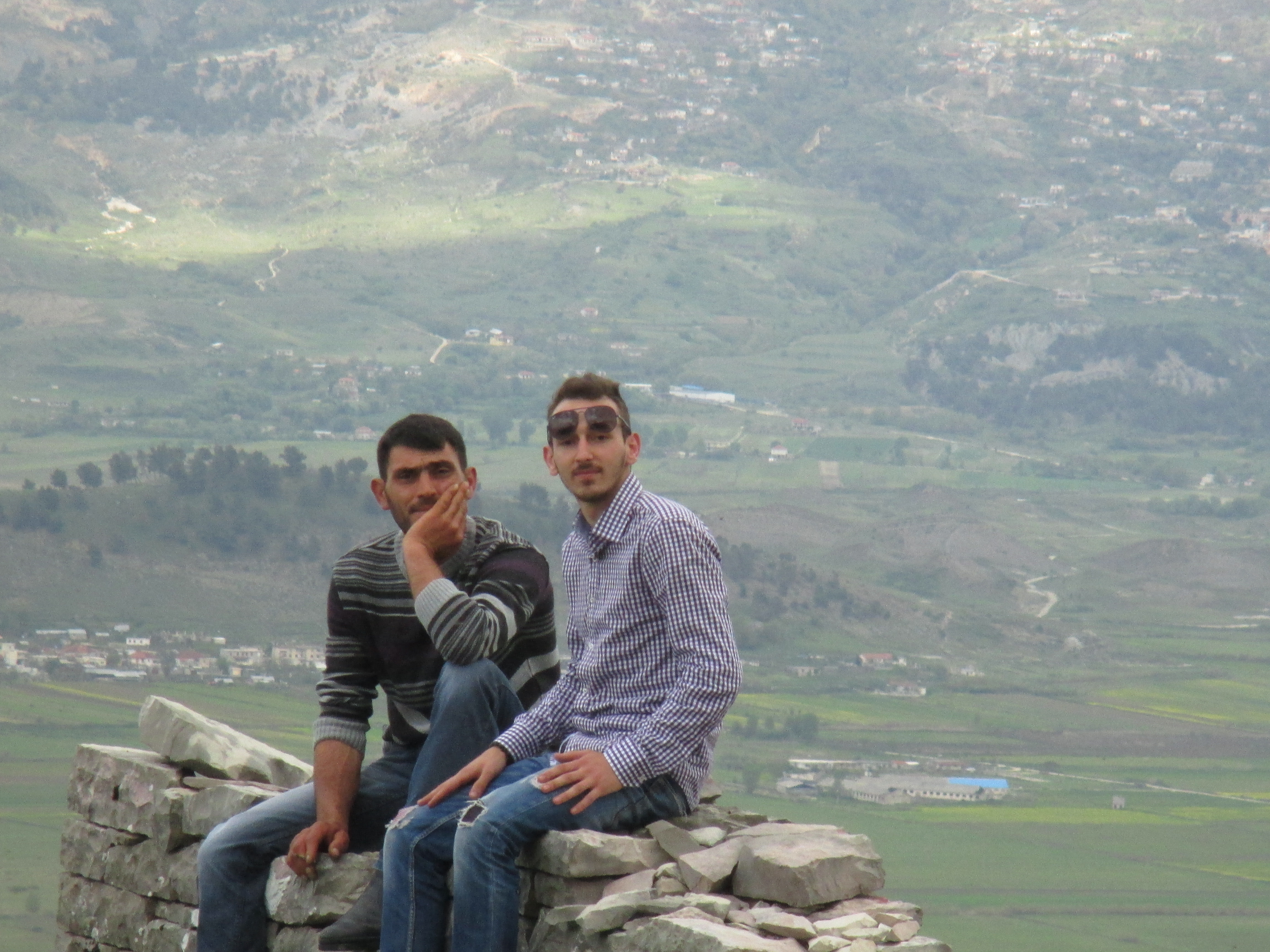
IMG_0150(click)

Comment: nikobakos@gmail.com

Balkan Trilogy

5 Jul

Olympic year or not, London has always had it all over us in terms of theater — in variety, quality, daring and in its still central role in the city’s life:

“Perhaps the most logistically ambitious part of the festival was Globe to Globe, in which leaders of Shakespeare’s Globe Theater spent nearly two years lining up 37 international theater companies to mount one of the plays in their native languages at the Globe over six weeks this spring. The shows included a new “Balkan trilogy” with theaters from Serbia, Albania and Macedonia each performing one of the three parts of “Henry VI” — not coincidentally a play about civil war — as well as productions of “The Comedy of Errors” from the Afghan troupe Roy-e-Sabs and “The Merchant of Venice” from the Habima theater company of Israel (which drew protesters waving Palestinian flags).”

Give the guys a break, dudes, they’re doing “The Merchant of Venice.”

And Afghans doing “The Comedy of Errors” is too perfect.

London, 1666 (click)


The Cradle of Democracy

28 Jun

The new Greek Parliament was sworn in today, including the eighteen MP’s of the Nazi “Golden Dawn” party (down from the twenty-one seats they had won in the May elections).  Here they’re shown refusing to stand as the three Turkish MP’s from the the country’s Thracian Turkish minority are sworn in.  Actually, it’s illegal to call them “Turkish;” that’s why all media channels in the world fall in line with the the Greek government and you’ll only hear them referred to as the “Muslim” MP’s.

The official state line is that since some 30 to 40 percent of the minority consists of Bulgarian (Pomak)-speaking Muslims, it’s wrong to call them all Turkish, the Greek state being long known for its concern for minority identities and endangered languages.  As far as I know, it’s still illegal to call them Turks — just the ridiculous term “Greek Muslims,” which is something I don’t know how an EU member-state gets away with.  Till the early 2000’s it was illegal to refer to the Slavic language spoken in the country’s northwest as either Macedonian or Bulgarians as well; you had to refer to it as “ntopia” — “localish.”  Calling it either Macedonian or Bulgarian, if you happened to be a speaker of it, could land you in jail, and people there are still jittery about using it in public, will switch to Greek when a stranger comes around or wanders into one of their villages with its fake, new Greek name and don’t like to answer any questions concerning the issue.  This was probably once the numerically predominant language in Ottoman Macedonia, but most of its speakers were expelled from its central and eastern regions during the Balkan Wars and only a tiny island is left in the western Greek provinces of Emathia (Karaferia), Pella (Vodena), Kastoria (Kostur) and Florina (Lerin).  Again, it’s hard to know numbers with any accuracy, due to assimilation, shame or remnant fear.

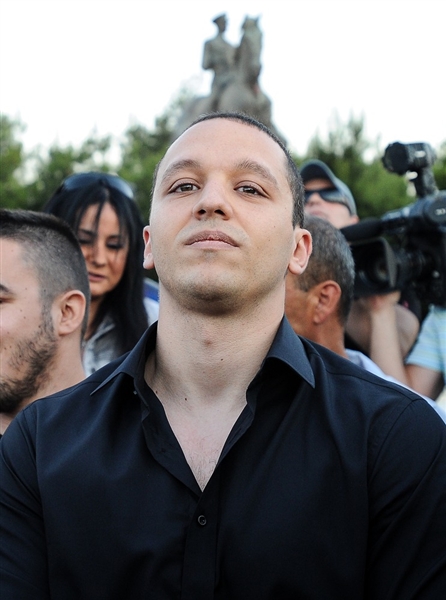
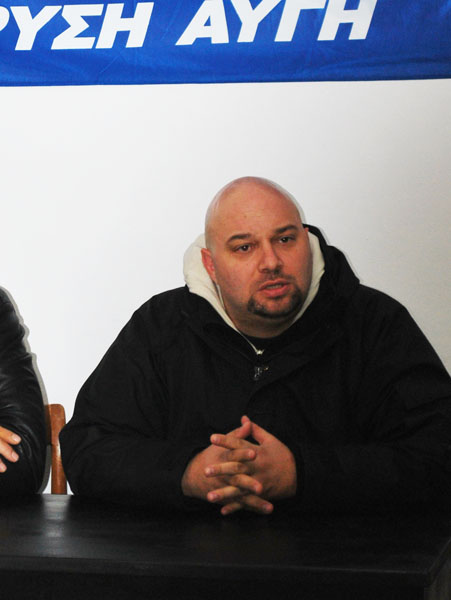
And this proud Hellenic pallikari, Ilias Kasidiaris (below), Golden Dawn’s spokesman, is now sitting free as an MP in the Greek Parliament despite the double assault immortalized by the video below (see also my previous post: Dateline Athens: From Bad to Worse)

An arrest warrant in Greece only lasts forty-eight hours, but Greek police knew where he was the whole time — even Greek police are not that incompetent — the whole country knew.  Apparently the statute of limitations on assault and battery is pretty short as well.  In any event, he now has parliamentary immunity, I think.  But he has other standing felony charges against him too; I don’t know the details.

And here’s some  pre-election cheer I had missed:

“A Far Right party has threatened to remove immigrants and their children from hospitals and nurseries in Greece if it gains power following Sunday’s general election.

Golden Dawn issued the warning at an election campaign rally in Athens, drawing loud applause from an audience.

According to the Guardian, Golden Dawn MP Ilias Panagiotaros said: ‘If Chrysi Avgi [Golden Dawn] gets into parliament, it will carry out raids on hospitals and kindergartens and it will throw immigrants and their children out on the street so that Greeks can take their place.'” [my emphases]

Panagiotaros is this stud here, who declared Kasidiaris’ assault on Dourou and Kanelle “an act of manliness.”

P.S.

According to Amnesty International’s 2007 report on Greece, there are problems in the following areas:

The US Department of State’s 2007 report on human rights in Greece identified the following issues:

  • Cases of abuse by security forces, particularly of illegal immigrants and Roma.
  • Overcrowding and harsh conditions in some prisons.
  • Detention of undocumented migrants in squalid conditions.
  • Restrictions and administrative obstacles faced by members of non‑Orthodox religions.
  • Detention and deportation of unaccompanied or separated immigrant minors, including asylum seekers.
  • Limits on the ability of ethnic minority groups to self-identify, [my emphasis] and discrimination against and social exclusion of ethnic minorities, particularly Roma.

Comment: nikobakos@gmail.com

The Banner Photos

7 Apr

A few people have asked what the two photographs at the top of the blog are of and, even more, what their juxtaposition is supposed to mean?

The photo on the left is of a coffeehouse in Istanbul at the turn of the previous century.  The photo on the right is one taken by me in the mid-eighties of children in the Vlach village of Samarina in the Pindos mountains, near the watershed that separates Epiros (where my family is from) from western Greek Macedonia.  As for the relationship between the two, I’ll leave that to readers to ponder or figure out if they care to.  As a certain Nasreddin Hoca joke (Mullah Nasreddin in Iranian lands) much beloved by my father says: “Well, if you don’t know, go home…”

Maybe I’ll make a competition out of it…

Again, any questions: what’s a Vlach? where’s Epiros? why do I call it Greek Macedonia?  Please ask.


Comment: nikobakos@gmail.com