Balkans, Anatolia, Caucasus, Levant and other Middle East, Iran, Afghanistan, South Asia, occasional forays into southern Italy, Spain or eastern Europe, minorities, the nation-state and nationalism — and whatever other quirks or obsessions lurk inside my head.
Beautiful and also interesting, because their dress is very close to traditional folk dress of the region, and I would have expected prosperous, Christian bourgeioses women in a large city like Trebizond at the time to be dressed in more Western clothes.
Turkey just renamed John Kennedy Avenue in Varosha to Semih Sancar Avenue. Semih Sancar was Turkey’s chief of armed forces in 1974, when Turkey invaded Cyprus. Mr Erdogan’s vulgarity has no limits.
I like that they dress the women up in a way that recognizes Constantinopolitan Greeks’ deep, deep bourgeoisness and αστισμό — perhaps the most precious thing we lost through that community’s destruction. But Polites didn’t talk with that weird accent and that thick Turkish “λ”. They spoke perfect, accentless Modern Greek.
Anyway, I guess it’s significant and positive that they remain an archetype Greeks are still conscious of.
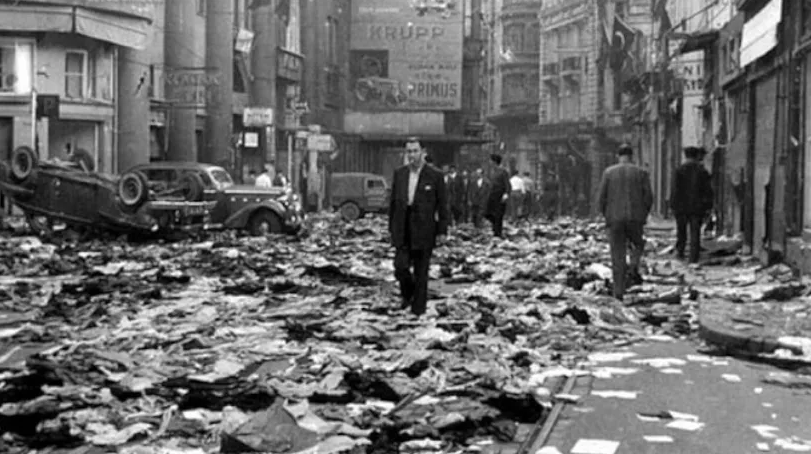
Turkish Parliament Speaker’s Office has rejected to hear a draft bill seeking to have the Istanbul pogrom, anti-Greek riots of Sept. 6 and 7 in 1955, recognized as a national day of mourning. Parliament Speaker Mustafa Şentop said that he found the wording used in the draft bill as “rough and hurtful.”
Meclis Başkanlığı bütün bu vahşi 6-7 Eylül linç olaylarını görmezden gelerek, bizim bunları apaçık ifade eden “Pogrom” kelimesini kullanmamızı “Kaba ve yaralayıcı” olarak bulmuştur. Asıl skandal buradadır, apaçık gerçeği reddetmek üstünü örtmeye çalışmaktadır. pic.twitter.com/K23nwNsHqJ
The photos don’t say much, but they do capture the smart, urbane joy of Constantinopolitan life; and begs the question: did Greeks have a special sensory feel for the pleasures of Istanbul life, or did Greeks themselves generate that joy, now sorely missing from the contemporary city and its overgrown vulgarity?
And the scene from Politike Kouzina, with the family, deported and once settled in Athens, waits for the grandfather to come from Istanbul for a family wedding:
“I’ll tell you something and get it into your thick heads. Grandpa won’t come tomorrow and never intended to. Grandpa wouldn’t come to Greece even if Aemilios was marrying a film star. Grandpa hasn’t come all these years because he didn’t want to. He would never leave the City. None of us would, for anything in the world…
“Constantinople was called the City because it was the most beautiful city in the world.”
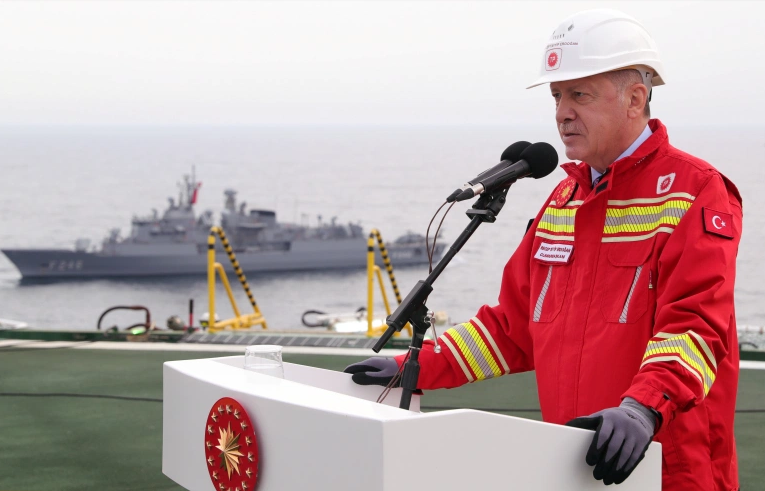
Turkish president Recep Tayyip Erdoğan is scheduled to make an official visit to Turkish occupied northern Cyprus tomorrow. He has announced that he will “picnic” in the city of Famagusta/Amochostos/Αμμόχωστος, which has remained a unoccupied no man’s zone between Greeks and Turks since the 1974 invasion. Turkey has refrained from settling Turks from Anatolia in this part of Cyprus and it has — since the invasion — been seen as a sort of potential bargaining chip between the island’s two communities. Erdoğan’s visit is a clear symbolic statement that that will no longer be the case.
The protest is a sign of hope (though yes, the second video below contains a lot of Turkish gloating). It’s also an indication of the moderately nationalist and genuinely secular and modern identity of Turkish Cypriots. It was a real mistake on Greek Cypriots’ part to harass them as they did in the 50s and 60s, alienating and painting them into a corner.
Balkans, Anatolia, Caucasus, Levant and rest of ME, Iran, South Asia
Me, I'm Nicholas Bakos, a.k.a. "NikoBako." I'm Greek (Roman really, but when I say that in English some five people in the world today understand what I'm talking about, so I use "Greek" for shorthand). I'm from New York. I live all over the place these days. The rest should become obvious from the blog.






 Jadde: from Bosnia to Bengal