My man ain’t got ninety-nine problems…just Nadal

12 Dec

hi-res-0c731edbd10be95df90d5dc75b0df971_crop_northJulian Finney/Getty Images (click)
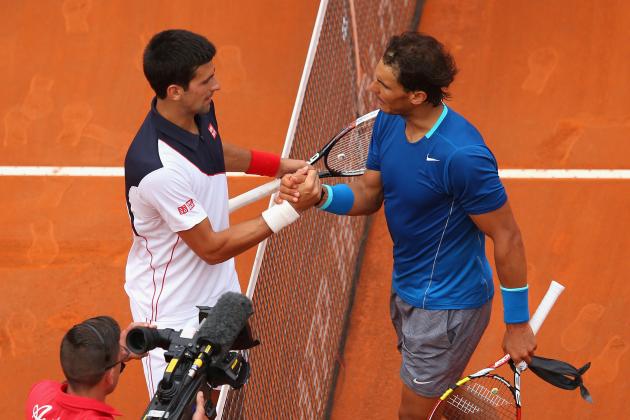
From DNAIndia:“‘I have a problem, his name is Rafael Nadal,’ says Novak Djokovic on elusive French Open title.”

Dunno about Rafa, but a Serb — part Kosovar Serb — saying that about me would make me very nervous.

Comment: nikobakos@gmail.com

From the Times: “Driving Ukrainians Into Putin’s Arms” by Lev Golinkin and the Patrick L. Smith’s “…lies the New York Times wants you to believe about Russia” in SALON

12 Dec

ukraine-growth(click)

“Driving Ukrainians Into Putin’s Arms” by Lev Golinkin

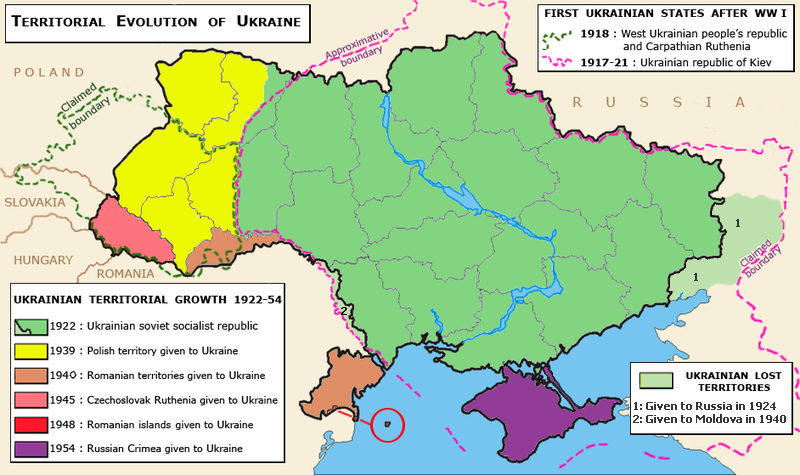
Again, the Westerner’s inability to understand the difference between nationality and ethnicity…though why this is a mystery to someone named Lev Golinkin — a Russian from eastern Ukraine — escapes me.  It actually seems like he just wants to use it as a rhetorical conceit to build his piece on:

A RECENT United Nations report says that nearly half a million Ukrainians have fled the country since April. The fact that families run from a war zone is heartbreaking but hardly unexpected. The disturbing part lies in the details — of the roughly 454,000 people who had fled Ukraine by the end of October, more than 387,000 went to Russia. Most of those who fled were Russian speakers from the east, but this still raises a sobering question: If this is a conflict between Ukraine and Russia, why did so many Ukrainians choose to cast their lot with the enemy? 

BECAUSE THEY’RE NOT RUSSIAN-SPEAKING UKRAINIANS — THEY’RE RUSSIANS!

Why is this such a hard idea to understand?  How many separatist movements, how many Yugoslavias do we have to go through?  Only the modern ethnicity-based nation-state conflates the two — citizenship and cultural ethnicity — and if they won’t conflate easy, force them to.  Understand this, for Christ’s sake!  Because you’ll keep getting all these situations wrong till you do.

Otherwise…

The piece gets a lot right, finally taking Ukrainian nationalists and the Ukrainian West and Poroshenko to task for their own part in creating the crisis, pointing out that sanctioning Russia is counterproductive if not worse and generally coming pretty close to some of the points I made in my post: “The first two of my cents on Ukraine and Russia…”

Concurrently, Salon puts out an incredibly powerful, gutsy piece by Patrick L. Smith on the whole situation: “These are lies the New York Times wants you to believe about Russia: Our sanctions caused Russia’s downturn. They protect Big Oil, the well-connected, and make the world more dangerous.”

…that, among other things, reiterates my take on the bafflingly dumb commentary of a historian as brilliant as Timothy Snyder:

“Timothy Snyder, the Yale professor whose nitwittery on the Ukraine crisis is simply nonpareil (and praise heaven he has gone quiet), exclaimed some months ago that Putin is threatening to undermine the entire postwar order. I replied in this space the following week, Gee, if only it were so.”

Me on the Jadde:

“Snyder’s history — “of course” — with its suggestion of a straight, uninterrupted historical lineage of “Ukrainian-ness” from Kievan Rus’ to modern Ukraine is just patent bullsh*t, and is one that simply chooses, in the glossing-over-of-breaks-and-ruptures fashion and in the fabricating of false unities that nationalist narratives always engage in, to ignore several fundamental, historical realities…”

See the whole post.

Comment: nikobakos@gmail.com

bloodlandsweb

Something I haven’t felt in a long time: proud that I’m Greek

12 Dec

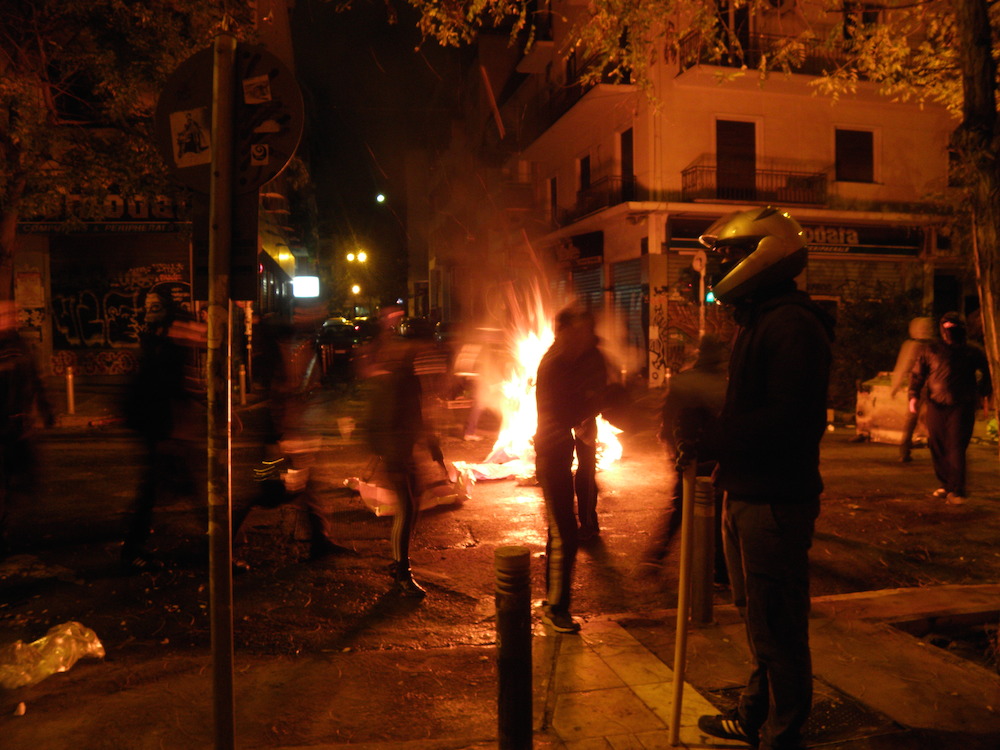
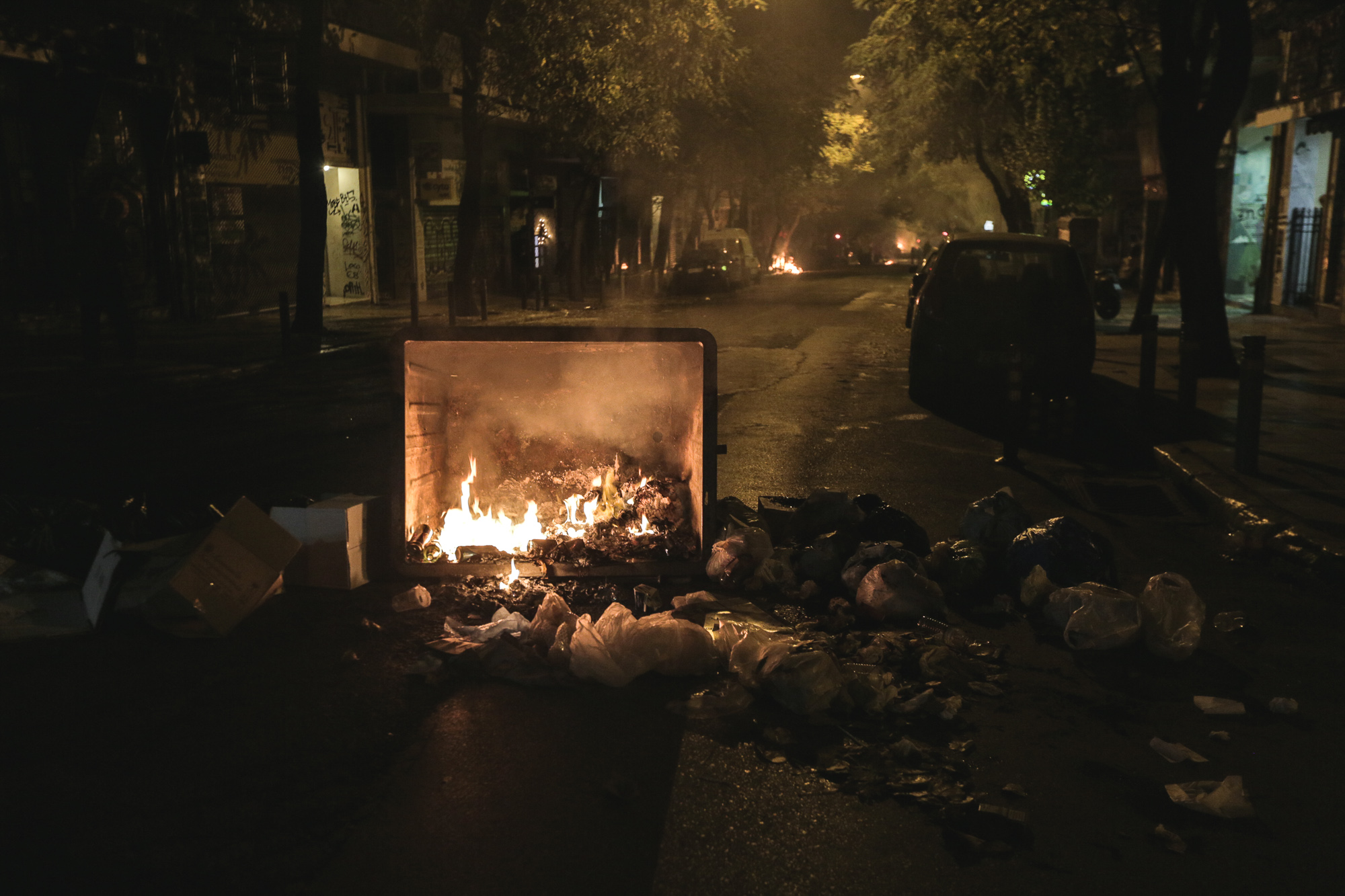
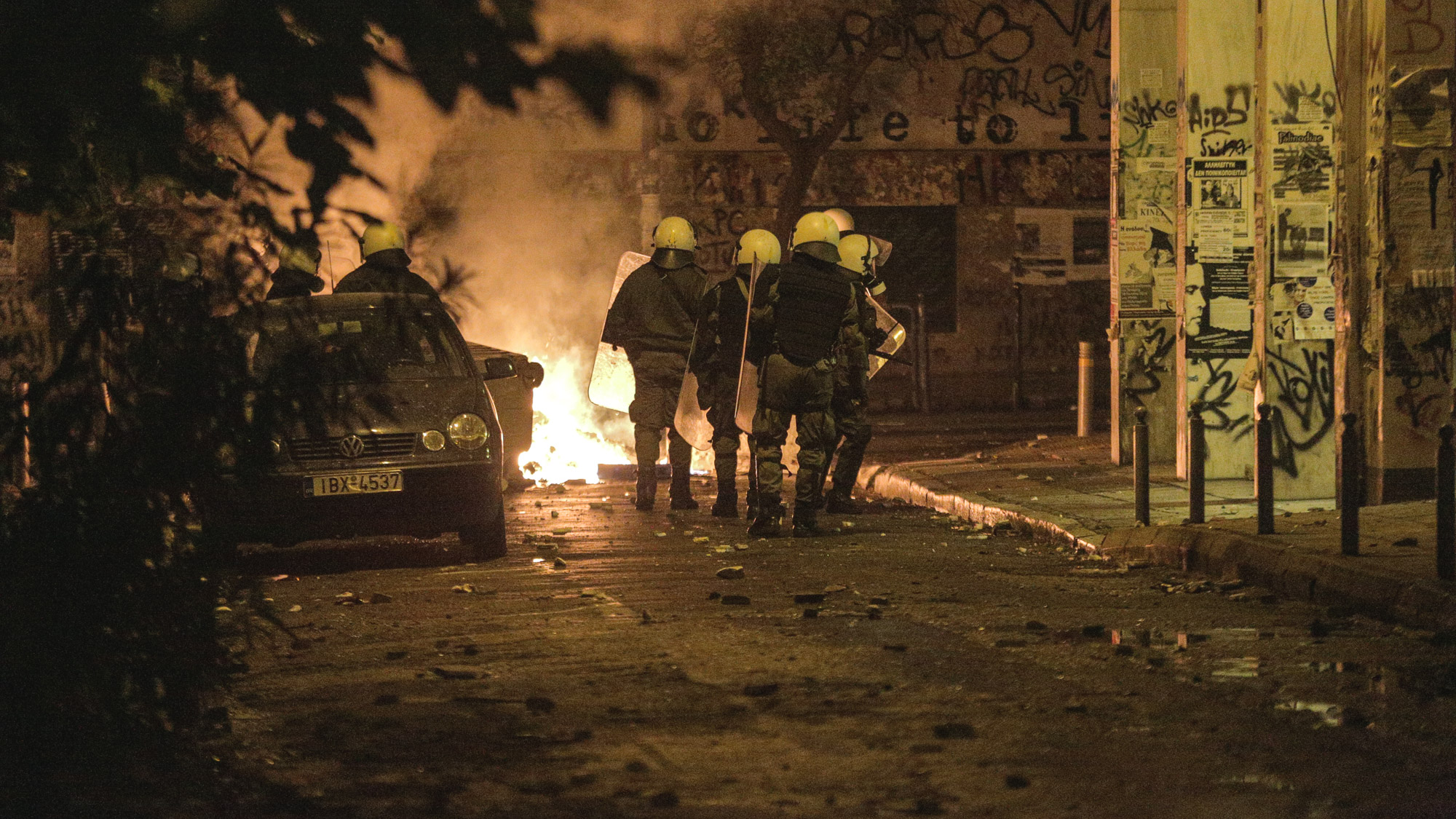
I don’t condone the violence or the destruction, especially to a city I love and that’s been through enough in the twentieth century (though, mostly at our own hands).  But it makes me super-happy that enough Greeks still have the balls to get angry again — as they face another round of austerity measures after being squeezed in a German choke-hold for years and complying with it; that there’s still Greeks enough with conscience enough to care about the condition under which refugees in their country and especially Syrians live; and that perhaps, just perhaps, some Greeks have started seeing their plight as of a piece with the suffering of others.  A flood of articles on recent events in Athens:

From Vice, (they have a bureau in Athens — much respect…) good video, disturbing images:

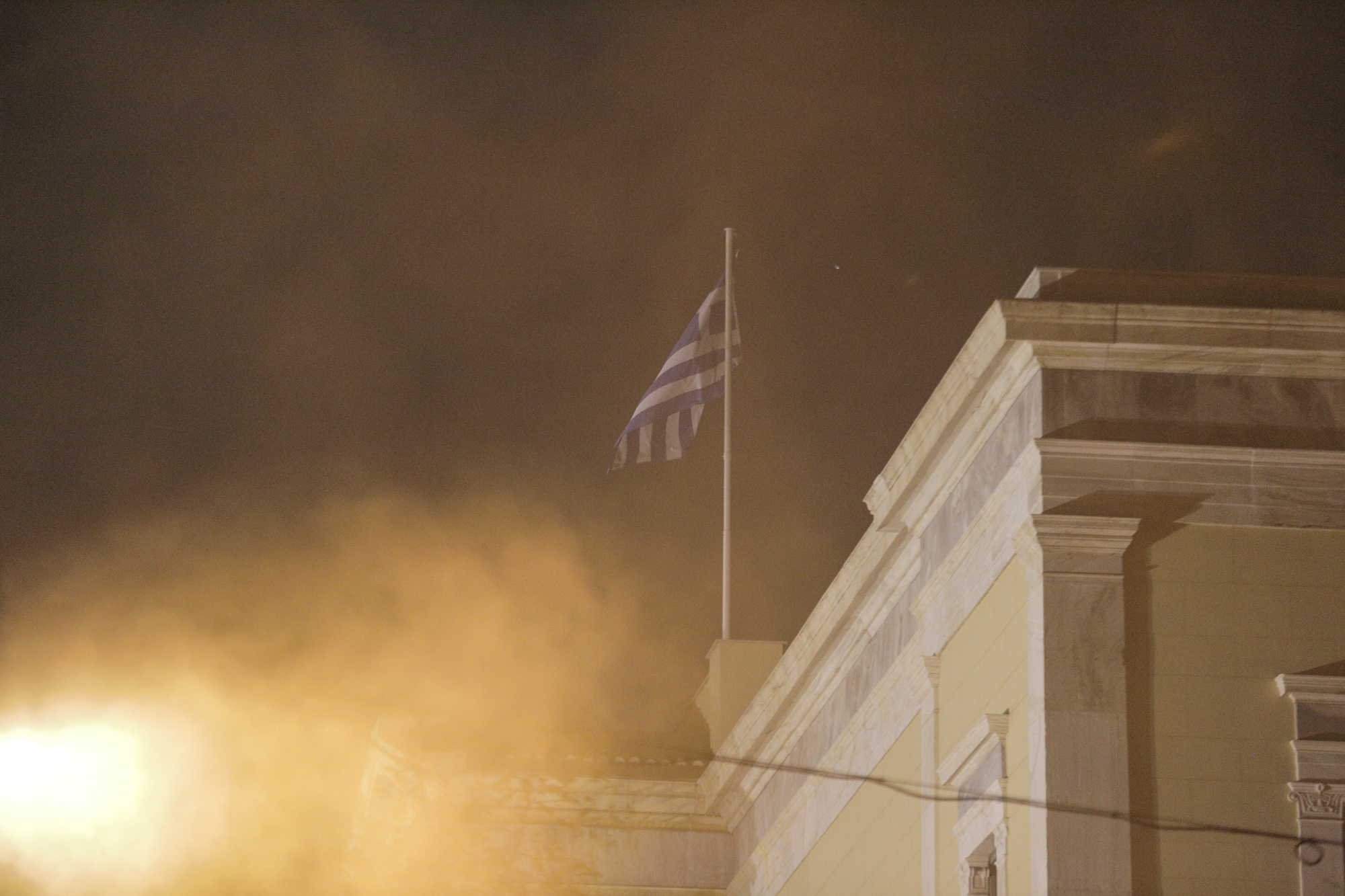
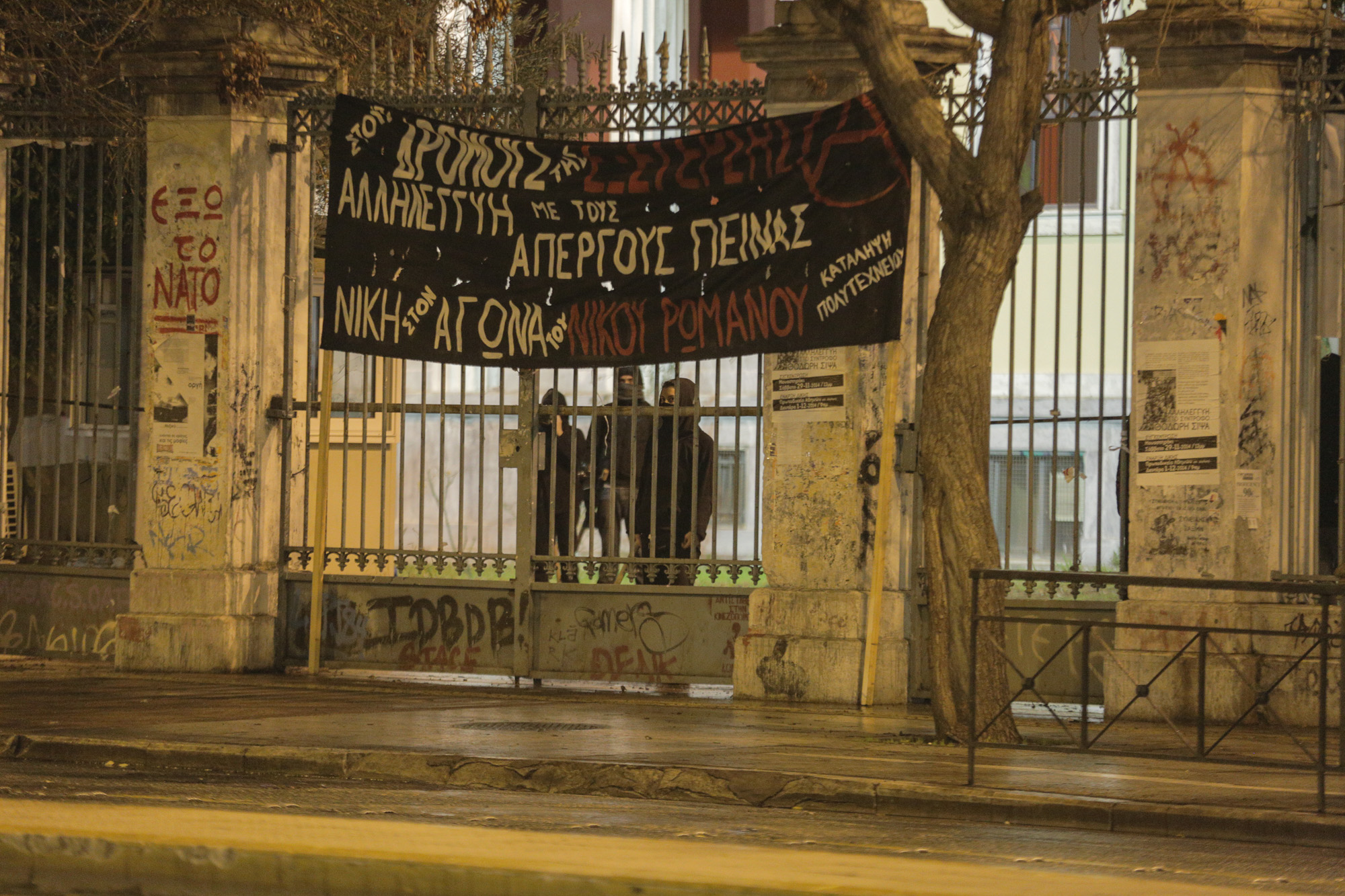
Greek Anarchists Set Athens on Fire in Solidarity with a Hunger Striker — December 4, 2014 — By Anna Ninni

poreia-nikos-rwmanos-body-image-1417603736

poreia-nikos-rwmanos-body-image-1417603761

OLYMPUS DIGITAL CAMERA

poreia-nikos-rwmanos-body-image-1417603690

poreia-nikos-rwmanos-body-image-1417603711Photos from VICE — unattributed as far a I can see.  (click)

And Greek saving grace — scathing humor:

“A few demonstrators decided to get sarcastic with the riot police. They shouted, “Do you want a bottle of water, guys?” and “Aren’t you stealing any water bottles today?”—referring to the night of November 17, when a rally marking the 41st anniversary of a student uprising against the junta ​turned violent. That night, a protester threw a bottle of water at the riot squad and they unleashed a torrent of tear gas.”

More VICE

The Cops Cracked Down on Greece’s Young Anarchists

And, of course, Al Jazeera: “Greece: Politics, anarchy and a hunger strike.”

by Fragiska Megaloudi

Comment: nikobakos@gmail.com


From Al Jazeera: Greek MP joins Syrian refugee hunger strike

7 Dec

Al Jazeera’s the best outlet for often scathingly honest news and critique about Greece coming from other than the usual direction: i.e. our Nearer East, which probably has our number more clearly than any Western observer.  In fact, Mr. Pathetic from Magnificent Turks” and the origins of this blog asked to be removed from this blog’s mailing list, because his delicate patriotic sensibilities were ruffled by a recent Al Jazeera repost: Συγχαρητήρια! Congratulations! for trumpetting Al Jazeera headline: “Greece, a front line for state-sponsored racism in Europe” , an article which continues with the subtitle: Once the cradle of European civilization, Athens is now the center of a continental decivilizing process.”  So maybe we can excuse the boy his legitimate fatherland-loving outrage.

And today comes this:

132820-102472-mixelogiannakis_2Yiannis Michelogiannakis — «Πήραμε λάθος δρόμο» (δείτε video) some backstory– (click)

Greek MP joins Syrian refugee hunger strike“:

A Greek MP has joined Syrian refugees in a hunger strike outside the Athens parliament to protest against the government’s refusal to help them move to other European countries to reunite with relatives.

Yiannis Michelogiannakis, a deputy from the leftist opposition Syriza party, said he decided to strike after an activist group said two protesters had died, one of a heart attack and one while trying to cross the border into Albania.

Their deaths could not be independently verified. The government said on Tuesday it could not help the refugees because they had not applied for asylum or shelter.

About 300 Syrian refugees have camped outside parliament since November 19 demanding the right of passage to other European countries and some have started a hunger strike.

The migrants refuse to register because that, according to European Union law, would mean they would have to stay in Greece as the first EU country they entered as refugees.

“A lawmaker’s duty is to be here on the streets, on the side of the weak, not inside the luxurious parliament,” the deputy, a 51-year-old doctor, told Reuters.

Michelogiannakis added that he was also striking over the 2015 budget due to be voted on Sunday and new EU/IMF austerity measures to ensure an early bailout exit for Greece.

He was expelled from the Socialist PASOK party after voting against the bailout last year and joined Syriza.

“I’m determined to stay here opposite parliament with the Syrians. I will pop in tomorrow to vote against the bailout budget and I’ll come back,” he said. “I’m determined to stay until the ordeal of the Syrians ends.”

About 46,500 Syrians have arrived in Greece since 2011, more than half of them this year, and most want to move on to other EU countries where they have relatives, according to the interior ministry. It is not known how many have slipped across Greek borders to make their way further north illegally.

Can’t say for sure how “real” or “sincere” this is, or if it’s just more of Syriza’s populist demagoguery, but the Talmud says that a good act creates good consequences, even if the actor’s intentions are not entirely pure…so, go for it, I say.  It’s certainly speaks well for Greeks generally (or at least Syriza supporters) and is a positive sign that an MP from a party that technically has the numbers to topple the ruling coalition can do something like this without fear of alienating his base for being an “illegal refugee” supporter.  Some Greeks still have a soul or — more encouragingly perhaps — a mind.  At least enough of one to take their thoughts off of their narcissistic, navel-gazing self-pity.

Comment: nikobakos@gmail.com


Today’s my nameday

6 Dec

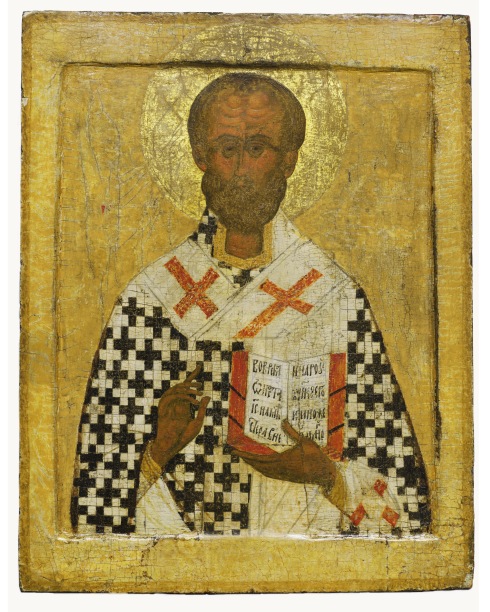
Saint_Nicholas_1550Russian icon of St. Nicholas the Wonder-worker (click)

Today’s the feast of St. Nicholas (on the Gregorian calendar — December 19th on the Julian Calendar, depending on what kind of Orthodox you are ethnically), the saint generally known in the East (and beautiful Bari, one of my favorite Italian cities) as the “Miracle-worker.”  But for me the coolest thing about St. Nick, and that’s the cause of his nauseating transformation into Santa Claus in the West, is that his miracles are deeply human and mundane and material, and actually just more good deeds than miracles: his most metaphysical, I guess, was his power to calm threatening seas; probably more to the point he prevents the execution of an accused criminal, following Christ’s example in opposing capital punishment or — my favorite — he quietly leaves three bags of gold, εν τω μέσω της νυχτώς, in the bedroom of three poor sisters who needed dowries to get married.  He didn’t preach or rail against the dowry system, like the moralist who thinks his ideological crusade is more important then the real needs of real people, who gets a hard-on from his preaching while others are truly suffering: for example, the schmucks who leave a hard-working waiter a card that says: “We don’t believe in tips; they’re exploitative, join our group at www…etc…” or like the assholes you hear in New York on the subway when a panhandler comes by and certain types go off on their “oh-I’ve-heard-that-story-before-get-a-job-you-probably-make-more-money-than-me” tirades, without thinking that if a man is reduced to begging, for whatever reason, he’s already been through hell enough and deserves your compassion.  A priest at my old parish in Whitestone, I remember years ago on this day, said in his sermon: “St. Nicholas is not one of our great theologian-intellectual saints, like the Cappadocians [though he apparently slapped someone at the First Oecumenical Council at Nicaea for saying something dumb about the Trinity…I think], or one of our warrior, defender-of-the-faith saints, like Demetrios or Mercourios or the Archangels.  More, he was a saint who always made sure that everyone under his pastorship had food to eat and a roof to sleep under.”  He was particularly venerated in the sea-faring islands of Greece, for obvious reasons (“Hagie Nikola, I implore you” sings the island girl with her sailor-man away, “carpet the seas with flowers…”) and is the patron saint of Russia.  In communist times the name still had some lingering Imperial/Romanov stigma attached to it and when I was there in the eighties, it seemed anachronistically charming to many Russians.  Now it seems there are significantly more young “Kolyas” and “Nikolays” everywhere.

Despite an almost erotic devotion to and obsession I’ve developed for St. Demetrios over the years — hard to resist a young Roman aristocrat in uniform with a pretty deep, homoerotic friendship as part of his martyrdom backstory — Nicholas is still my patron saint.  And he’s more than just important to me as saint himself, but because I love the Orthodox nameday tradition, which again varies from country to country.  Serbs have always observed a single clan nameday, the Slava, celebrating the saint on whose feast-day the family’s first ancestor supposedly converted to Christianity, a very ritualized and beautiful celebration and one of the many traditions that Serbs adhere to that makes them the Slavs that, more than any others, still have one foot in their pagan past; telling, also, to how important he is in the Orthodox world: the single largest group of Serbian clans celebrate St. Nicholas as their Slava patron.  Communism forced Russians to take their birthdays more seriously, and discouraged the celebration of the obviously religious nameday, but nineteenth-century Russian literature is full of nameday celebrations (Chekhov’s “Nameday Party,” and Tatyana’s nameday dance in Pushkin’s Onegin*), and as a semi-conscience remembrance of what the new Western-style celebration of birthdays replaced, the birthday-boy is to this day still called the “imeninets,” the “name-bearer.”

What I most love is that, among Greeks, your nameday is a day critical to your honor and reputation: it’s when you take friends out and treat them; it’s when people in small towns especially, but even some in Athens still, sit home in a house full of food and sweets and wait for everybody who has the right to — meaning every one they know essentially — and most likely will, drop by and wait for the the privilege of feeding them; most young Athenians today wait for an official invitation but massive group drop-ins are still common enough among the old-fashioned.  In smaller, provincial towns, when there was a death in the family, you used to have to put an ad in the paper saying: “Due to mourning, we won’t be accepting callers this St. Nicholas Day.”  In villages everybody just knew.  It’s a day when you make an artoklasia,  a “bread-breaking” offering and share sweetened and blessed loaves with your whole parish.  It’s a day when it’s your obligation to give and serve and prove your noblesse and not, as Western birthdays have become, a day when you sit around waiting for others to do for you or give you gifts.  Western, American, birthdays are only slightly less gross to me than the totally American ugliness of wedding and baby showers: “I’m getting married and/or I’m pregnant; so I’m having a party where you have to bring me things.”  And don’t even start me on bridal registries, where you tell people, not just that they have to bring you something, but what they have to bring you.

So: χρόνια μου πολλά…  And Многая Лета to other Nicholases everywhere.  Keep the tradition alive.

Comment: nikobakos@gmail.com

**************************************************************************************************************************************************************************

* Tatyana was not a popular name in Russia until Pushkin’s Onegin became the Bible and literary gold standard of modern Russian, and Russians took the deeply loved heroine into their hearts.  Only then did it become a widespread name and eventually, through her epic act of heroically soul-baring letter-writing probably, her nameday, January 12th or 25th — depending again on calendar — become the patron saint day of young students and scholars.

From the Times: Pope, in Turkey, Issues Call to Protect Middle Eastern Christians

30 Nov

Yes, starting with Turkey itself.

Full article


“When Western evil is fused with Arab stupidity…”

29 Nov

Iraqi TV Host Breaks Down in Tears at Plight of Christians

And a super-outspoken (now that he’s safe in Erbil) Bishop from Mosul: “..Western evil is fused with Arab stupidity…”

Might wanna retake a look at my Who are the MESA Thought Police?:

“…or if you were caught even suggesting, heaven forbid, that maybe — just maybe — Arabs had simply conquered what were already the most sophisticated and civilized parts of the Greco-Roman and Sassanian worlds…”

And yes, “kanun,” law, is a Greek word.

Oh, yeah.  And so is “kalam,” pen…

Comment: nikobakos@gmail.com

Søren Kierkegaard

29 Nov

“Truth always rests with the minority … because the minority is generally formed by those who really have an opinion, while the strength of a majority is illusory, formed by the gangs who have no opinion.”

Tempted to say that’s why God gave us Jews…

Read whole post from Maria Popova’s Brainpickings

soren

A disgusting American tradition…

28 Nov

A little too light-hearted, in my opinion, considering its subject matter: a uniquely American combination of consumption-orgy and widespread, often deadly violence — but informative enough…

An aunt of mine in Greece once said, after viewing a Greek story on the event, which we can now add to things that growing micro-journalism around the world makes us look like asses: “These are Americans?” she asked bewildered and remembering the handsome, polite, blonde Civil Affairs* GIs who handled post-war aid to Greece.  “When the Marshall [Plan] trucks dropped off food in the neighborhoods,” amidts widespread poverty and hunger in post-War Greece, “or UNRRA** would drop off old clothes, we never acted like that.”

And it’s the change from that one image to the other that represents the biggest sea change in how people see us; and the smartest national security move we could make is correcting that image.

**************************************************************************************************************************************************************************

* Civil Affairs in the American Military: (source: Wiki, yes, sorry…)

“The American army of occupation lacked both training and organization to guide the destinies of the nearly one million civilians whom the fortunes of war had placed under its temporary sovereignty”, stated Col. Irwin L. Hunt, Officer in Charge of Civil Affairs, Third Army, in his report on U.S. military government in Germany after World War I.

He wrote further, “Military government, the administration by military officers of civil government in occupied enemy territory, is a virtually inevitable concomitant of modern warfare. The US Army conducted military government in Mexico in 1847 and 1848; in the Confederate States during and after the Civil War; in the Philippines, Puerto Rico, and Cuba after the Spanish American War; and in the German Rhineland after World War I. In each instance, neither the Army nor the government accepted it as a legitimate military function. Consequently, its imposition invariably came as a somewhat disquieting experience for both, and the means devised for accomplishing it ranged from inadequate to near disastrous…”

The Hunt Report, as it affectionately came to be known by the World War II generation of military Government officers, for the first time in the Army’s experience looked on administration of occupied territory as something more than a minor incidental of war. Colonel Hunt realized that to exercise governmental authority, even over a defeated enemy, required preparation. The Army, he urged, should not again wait until the responsibility was thrust upon it but should develop competence in civil administration among its officers during peacetime…

World War II saw the U.S. Army receive its Civil Affairs “charter.” The Pentagon in 1943 activated the U.S. Army Civil Affairs Division (CAD). The major problem faced by the CAD was heavy destruction of the infrastructure. Never before or since has U.S. Army Civil Affairs been so extensively involved in nation rebuilding for so long. The CAD was responsible for 80 million European civilians; yet no documented case of overt opposition has ever come to light. [My emphasis] Post-war military government proved extremely successful in our former enemies’ nations. The CAD also returned untold millions of dollars worth of national treasures to their country of origin. The post-war period was the first planned use of Civil Affairs by the modern United States Army, and the greatest use of CA assets to date…[1]

Operation Husky was the projected invasion of Sicily that would be the first United States occupation of enemy territory and would set the pattern for subsequent operations. The mission was a success, and the devastated nation was full of dislocated civilian, and required total CA involvement. The Civil Affairs Division (CAD) was established on 1 March 1943, and Maj. Gen. John H. Hilldring became its director a month later. In assigning the division’s mission, the War Department reasserted its claim to leadership in civil affairs and military government. The division was to report directly to the Secretary of War on “all matters except those of a military nature” and to represent the Secretary of War to outside agencies. On matters relating to military operations it would act for the Chief of Staff, and it would co-ordinate for the War Department all actions of civilian agencies in theaters of operations. For the future, War Department officials contemplated placing full responsibility for civil affairs in the staff of the theater commander “until such time as the military situation will allow other arrangements,” and the Civil Affairs Division was charged with making certain that all plans to occupy enemy or enemy-controlled territory included detailed planning for civil affairs. On 10 April, the Joint Chiefs of Staff confirmed the Civil Affairs Division as “the logical staff to handle civil affairs in nearly all occupied territory.”[1]

Currently the United States has one Civil Affairs Division, “[and] over 1500 CA and PSYOP Soldiers have deployed annually over 20 countries worldwide promoting peace, fighting the war on terror, and assisting in humanitarian actions.”  Yes, slightly more than one-thousand-five-hundred…  But this is a report put together obviously by the American military and the tone, when read in context, is that they’re extremely proud to have that many C.A. officers.  1,500 Civil Affairs personnel for all the places in the which in which the United states is involved.  Do the math.

The British army — always better conquerors, colonizers and administrators than Americans have ever been — have recently made it obligatory for any enlisted men who want to become officers and get to second lieutenant and beyond to master at least one foreign language.  Obviously they’re emphasizing Arabic and Farsi/Dari and Russian, but even French, since Brits’ knowledge of the language has fallen to such a low (not that the French are much better) that there were serious logistical and communication problems when the British were aiding the French operation in Mali last year.


** UNRRA (The United Nations Relief and Rehabilitation Administration) was responsible for non-comestible material aid mostly.  Almost starting with the end of the war, when Greek irony and satire felt free to joke and be cruel again, the common joke to dress down people who were already too shabbily dressed — and which you still hear sometimes — was: “Where d’you get that sweater?  UNRAA?”  “Uncle Truman?” was another one…

Comment: nikobakos@gmail.com

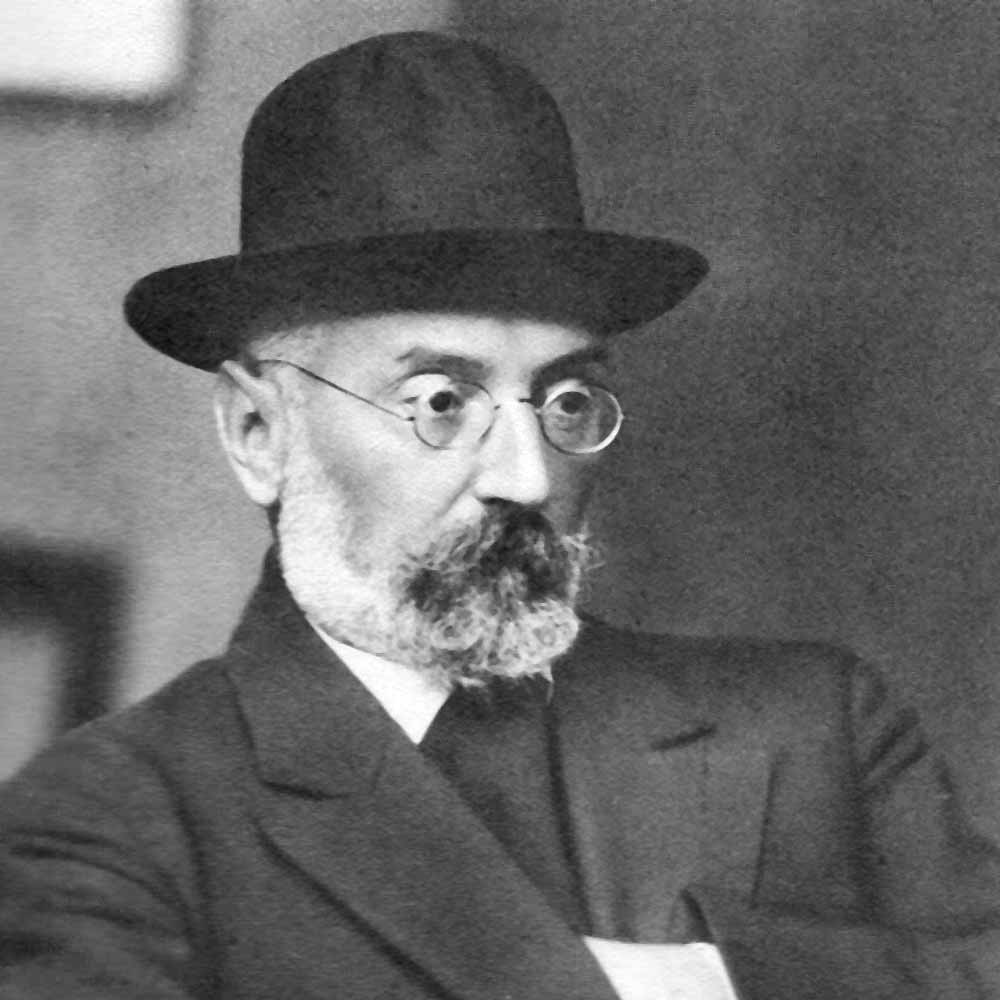
Unamuno: “…life worth living consists in communing with others…”

28 Nov

Miguel-de-Unamuno(reblogged from Andrew Sullivan’s Daily Dish)

The Upside Of Being A Downer

Nov 27 2014 @ 3:39pm

Though ’tis the season to give thanks, Mariana Alessandri maintains that voicing dissatisfaction isn’t all bad:

The 20th-century Spanish philosopher Miguel de Unamuno didn’t recommend banishing the negative emotions or “keeping on the sunny side of life.” In “The Tragic Sense of Life” he described his anxiety over the prospect that there might be no afterlife, adding that he failed to understand people who had not once been similarly tormented by this or by the certainty of their own death.

Unamuno believed that a life worth living consists in communing with others, and that this happens most genuinely through negativity. In “My Religion,” Unamuno wrote: “Whenever I have felt a pain I have shouted and I have done it publicly” in order to “start the grieving chords of others’ hearts playing.” For Unamuno, authentic love is found in suffering with others, and negativity is necessary for compassion and understanding. If we try to deny, hide or eradicate the negative from our lives, we will be ill-equipped to deal with people who are suffering.

[My emphases]

Comment: nikobakos@gmail.com