“The Liberal mind is oversexualized…” says تاریخ خراسان

25 Dec

I agree. But the continued bowdlerizing of mediaeval Islamic poetry is a problem.

See: The beautiful “Shirazi Turk”-ish kid from the corny German commercial

Or, from one of my earliest posts on Persian poetry:

“The crucial surrender here, of course, is to ignore the full spectrum of interpretations – from the religious pedant’s to the equally irritating contemporary gay ‘reads’ (those of what Joseph Massad calls “The Gay International”) – about whether the flame is God or your spiritual master or a hot kid and really surrender the urge to interpret entirely, forget about metaphor, stop the transference, which is what “metaphora” means in Greek, something that the ghazal’s connected/disconnected structure is so conducive to and which gives it so much of its power  — and which probably leads to the common assumption of untranslatability.”

And here’s the full post:

Become a moth

20 May

Shajarian and a very young Homayoun perform the Molana-Rumi verse (with Alizadeh and Kalhor)

Perhaps the main reason I started my attempt to learn Farsi was pure spite (the other was to go to Afghanistan).  I had gotten tired of asking Iranians whether they liked this or that translation of Saadi or Hafez and being smugly told or categorically barked at: “NO! None of them; Persian poetry can’t be translated,” or reading some poor soul on You Tube gush: “My God, what beautiful music!  Can someone translate the lyrics, please?!!” only to be shot down by an Iranian: “you dont know all the metaphors references you won’t understand you cant translate poetry.”  Well, yes you can translate poetry, ‘cause if you can’t, you can’t translate anything else either.  Or you can create a set of reasonably analogous concepts that gives the other language-speaker a strongly analogous idea, at least, and just as strong a sensory feel.  In the end, the set of incommunicable ideas we’ve each got locked in our heads is pretty much as different as that between any two languages, so if you doubt translation you’re doubting the hope of any human communication really – which might, I understand, be a reasonable theory.  But we’ll forgive the Persians their snobbery because, as they say in Spanish in an expression I love: “tienen con que…” literally “they got what with…” meaning “they have reason to be” or “they a have a right to…”

But then there’s this sweet and very generous attempt of one You Tube reader to give an almost calque-like translation of this Rumi piece:

If you are going to the drunkards, become drunk

If you go towards the drunk, go drunkenly! Go drunkenly! (mastâne is a compound from mast (drunk) and the prefix -âne, which is_ a particularizer (pertaining to the qualities of X, in a X manner) e.g. from mard we have mardâne (men’s, for men; …

You should become all soul, until you are worthy of the spirits[?]

You should become all soul until you become deserving the sweetheart (beloved)

And then become the cup [?] that holds the wine of love

And then become a cup for the wine of love! Become a cup! (in English, if I’m not mistaken, one says “become a member of X” so I translated it as “become a cup…” rather than “become the cup”)

Make your heart like the [other] hearts [?], wash it seven times [till it is free] of grudges

Go and wash the chest of hatreds seven-water-ly like [real] chests (chest is the house of heart. I think, in English, one says “like a [real] chest”. Ancient people believed that washing something with water of seven seas makes it purely clean.)

And then come live with the lovers

And then, come [and] become homemate with lovers! Become homemate! (ham- = homo-, xâne = home -> homo-home like homo-phone but anyway: homemate)

Become a stranger to yourself, ruin your own home [destroy the_ nafs]

[both] make yourself alien (stranger) and make the house ruined (I think it means “desert your past and your belongings”)

And from the heart of the flame, come out, become a moth

And into fire, enter! Become a butterfly! Become a butterfly! (candle (šamë)

Abandon your deceit, O lover, become mad

O lover, abandon deceit! Become mad! Become mad! (hilat is Arabic_ form of hila -> hile. In Persian, we have sometimes taken an Arabic word as -at and sometimes as -a. Well, as for hilat, it’s not found in common Persian and we only say hila/e)

And a Farsi transliteration, not all included in the above performance:

Aan goushvaar-e shaahedaan, hamsohbat-eh aarez shodeh,

Aan goush-e aarez baayadat! dordaaneh sho, dordaaneh sho(2),

Chon Jaan-e to shod dar hava, zafsaneh-ye shiereen-eh ma,

Faany sho O chon aasheghaan! afsaaneh_ sho, afsaaneh sho(2),

Andiesheh-at Jaaie ravad, aangah to ra aanja barad

zaandisheh bogzar chon ghaza! pieshaaneh sho, pieshaaneh sho(2)

O Hielat Raha kon aashegha! divaneh sho, divaneh sho(2),

Vandar del-e aHam khiesh ra bigaaneh kon, ham khaaneh ra viraneh kon,

Vaangah bia ba aasheghaa! hamkhaaneh sho, hamshaaneh sho(2),atash dar a! parvaneh sho, parvaneh sho(2)

Ro sieneh ra chon sieneh ha, haft aab_ shoo az kieneh ha,

Vaangah sharaab-e eshgh ra! peymaaneh sho, peymaaneh sho(2),

The moth-and-flame is one of the most classic of those ‘untranslatable’ metaphors: the constant injunction to become a moth and throw yourself into the flame, surrender to the annihilation of love.  The crucial surrender here, of course, is to ignore the full spectrum of interpretations – from the religious pedant’s to the equally irritating contemporary gay ‘reads’ (those of what Joseph Massad calls “The Gay International”) – about whether the flame is God or your spiritual master or a hot kid and really surrender the urge to interpret entirely, forget about metaphor, stop the transference, which is what “metaphora” means in Greek, something that the ghazal’s connected/disconnected structure is so conducive to and which gives it so much of its power  — and which probably leads to the common assumption of untranslatability.  This is what Agha Shahid Ali’s poetry does so successfully in English.

That said, I’ve never seen a moth actually do this.  I’ve heard mosquitoes incessantly frying themselves on those machines on summer nights in the sweltering plains of northern Greece while I’m trying to enjoy a roast pig crackling, but not a moth actually burn itself in a candle or other flame — or maybe Persian moths are greater emotional risk-takers.  In my experience, whenever a moth runs into trouble around light it’s usually ended up like this guy who I found in my icon lamp.
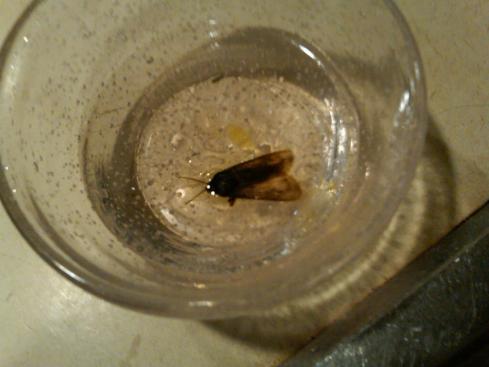
And this is what I’ve found most contemporary humans’ experience of love to be too: stuck in a viscous mess, your wings oil-logged, pedaling frantically and unable to escape your slow suffocation till life picks you out with a paper-towel and squishes you.  Don’t we wish it were instant incineration; we’d save ourselves much pointless humiliation.  But our hearts just aren’t up to such sacrificial leaps into the abyss anymore.

“Whom the flame itself has gone looking for, that moth — just imagine!” – Bollywood song

Comment: nikobakos@gmail.com

*********************************************************************************************************

Write us: with comments or observations, or to be put on our mailing list or to be taken off our mailing list, contact us at nikobakos@gmail.com.
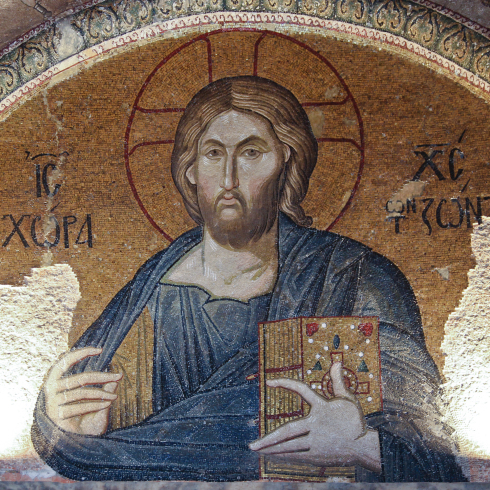
Carl Jung: “Ending Your Inner Civil War”

24 Dec

“The truly religious person…knows that God has brought all sorts of strange and inconceivable things to pass and seeks in the most curious ways to enter a man’s heart.  He therefore senses  in everything the unseen presence of the Divine Will.”

*********************************************************************************************************

Write us: with comments or observations, or to be put on our mailing list or to be taken off our mailing list, contact us at nikobakos@gmail.com.

Frangiko Christmas damper

24 Dec

Marcus Walker@WalkerMarcus: “If everyone celebrated the Risen Lord with the same gusto as we celebrate the new-born Christ I will chalk that up as a monumental, if unexpected, win.”

Radio Free Europe — Radio Liberty: “When The World Looked Away: The Destruction Of Julfa Cemetery”

24 Dec

Disturbing…beautiful photos…here.

Julfa cemetery 1915
Julfa cemetery 1915

*********************************************************************************************************

Write us: with comments or observations, or to be put on our mailing list or to be taken off our mailing list, contact us at nikobakos@gmail.com.
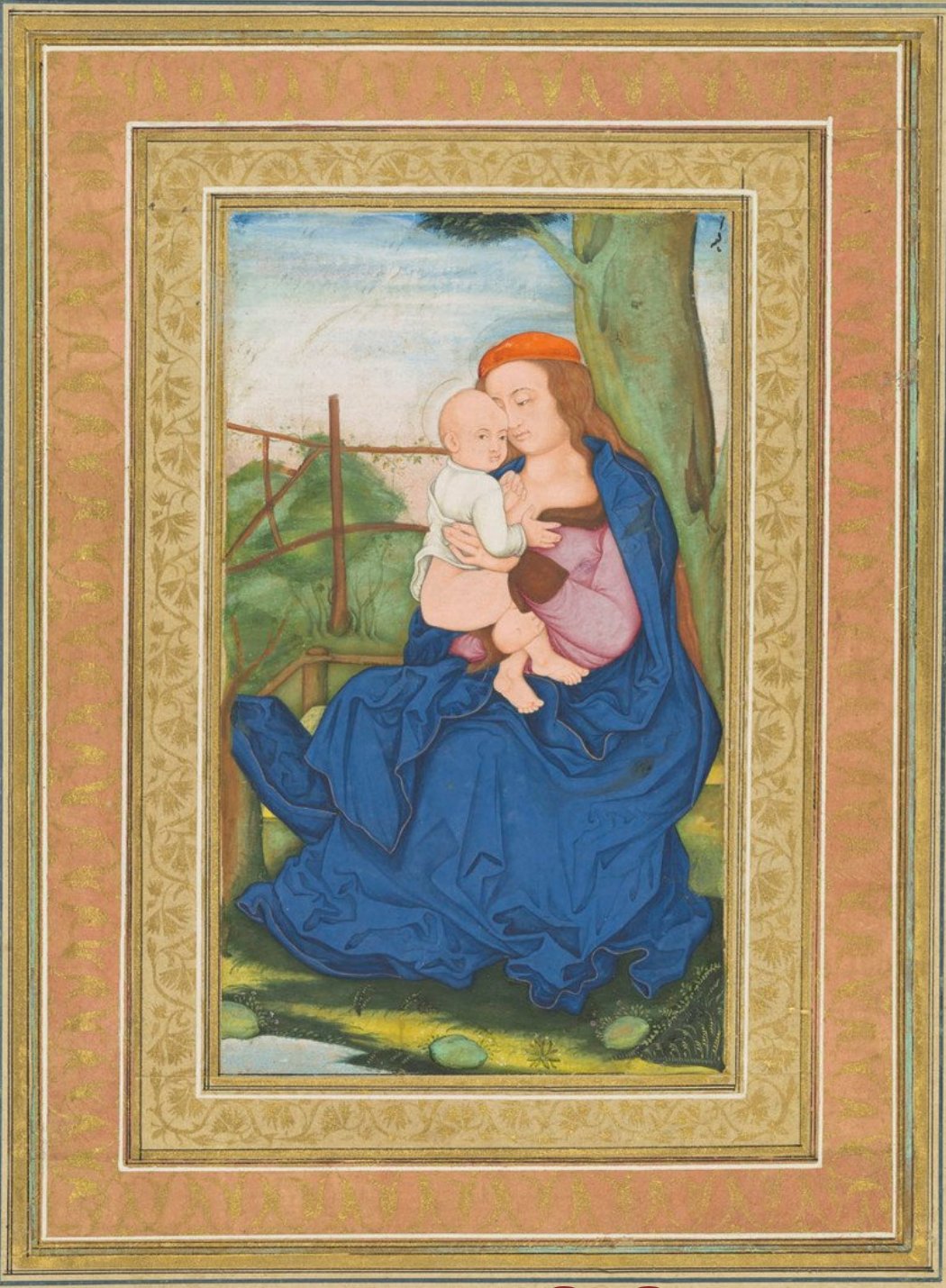
Photo: Mughal painting of Christ and the Virgin Mary

24 Dec

*********************************************************************************************************

Write us: with comments or observations, or to be put on our mailing list or to be taken off our mailing list, contact us at nikobakos@gmail.com.

Photo: Assyrian women in front of the Assyrian Mar Narsai Church in Nohadra, Northern Iraq…survivors

24 Dec
Photo by Pascal Maguesyan

*********************************************************************************************************

Write us: with comments or observations, or to be put on our mailing list or to be taken off our mailing list, contact us at nikobakos@gmail.com.

Photo: Church of the Nativity, Bethlehem, 1930s

24 Dec

*********************************************************************************************************

Write us: with comments or observations, or to be put on our mailing list or to be taken off our mailing list, contact us at nikobakos@gmail.com.
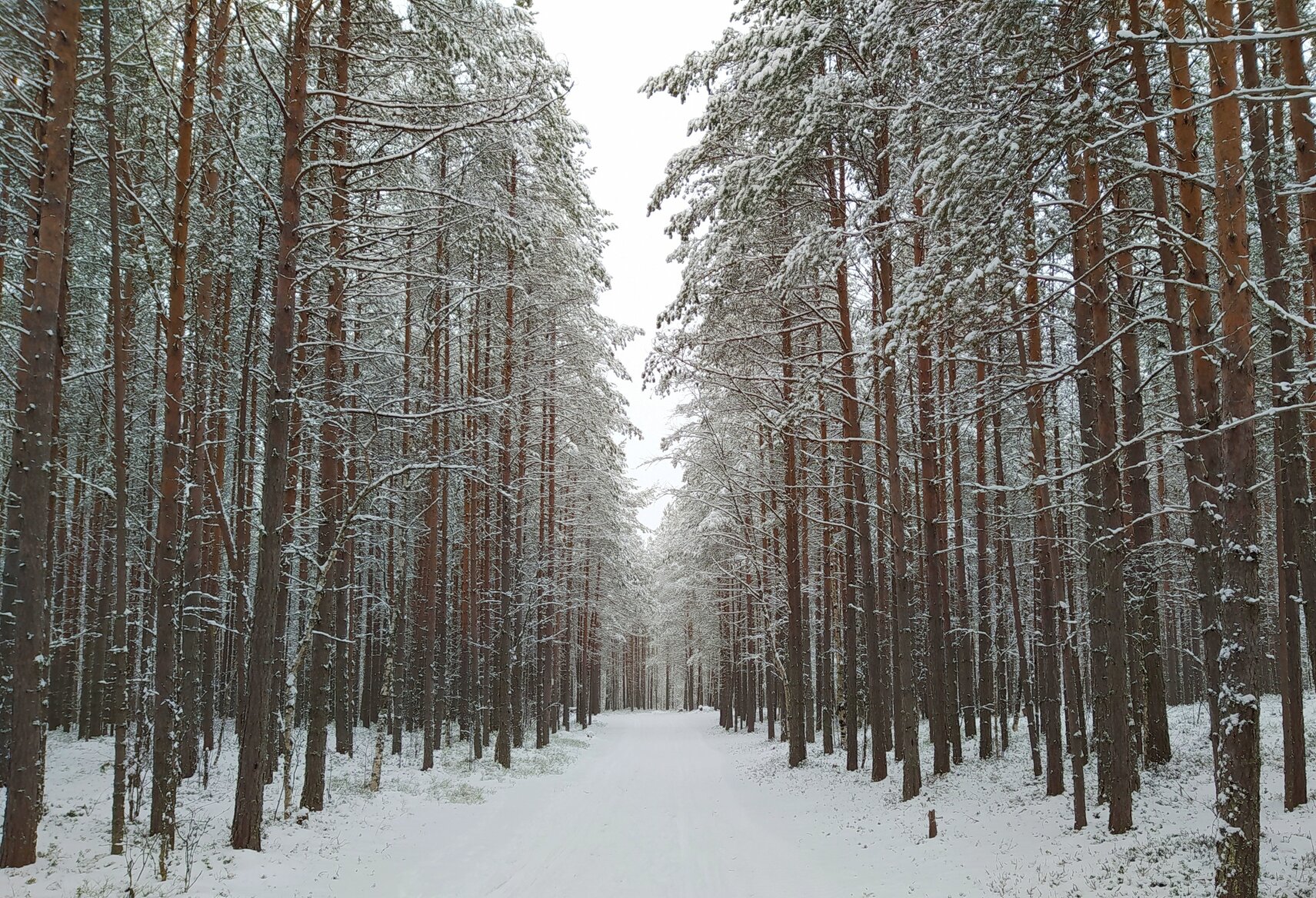
Photo: Russian forest

24 Dec

I’ve only seen forests like this in Russia, though I’m sure they exist elsewhere. There’s absolutely no brush or ground vegetation, so it all seems like a fantastic, enormous hall of columns (the way they say the columns of the Mosque of Córdoba look like a forest) and that makes for easy, long, wonderful walks, especially at night — which is most of the day in wintertime — and with snow.

*********************************************************************************************************

Write us: with comments or observations, or to be put on our mailing list or to be taken off our mailing list, contact us at nikobakos@gmail.com.

“El niño divino, que está cansado de llorar en la tierra por su descanso…” — Lope de Vega

24 Dec

“The heavenly babe suffers distress, Ah, how weary He has grown with the sorrows of this world.”

“Der Himmels knabe Duldet Beschwerde, Ach, wie so müd er ward Vom Leid der Erde.”

I recently tweet-balled out an Anglican — I’m assuming — convert to Orthodoxy who had tweeted something about how Western influence on later Russian iconography had produced “softer” and in his opinion improved images of the Nativity with Mary leaning lovingly over the baby instead of the traditional Orthodox rendering where Mary is lying, turned the over way, lost in thought while nurses tend to the baby. I think I told him that if he wanted cute nativity images of cute babies he could post on YouTube, he should join the Franciscans. More on that later.

So maybe it’s weird for me to send this very sentimental lied as a Christmas message. But the quote above says enough.

This is originally a 17th century poem by Spanish poet and playwright Lope de Vega; translated into German by Emanuel Geibel and set to music in 1890 by Austrian composer Hugo Wolf in his Spanisches Liederbuch, a collection of lieder based on both religious and secular poetry of the Spanish Golden Age.

The full German translation, original Spanish, and English translation (last by Richard Stokes from a collection of lieder translations he did with tenor Ian Bostridge) is below. The singer in the YouTube video is, of course, the immortal Elisabeth Schwarzkopf.

Merry Christmas to all.

Die ihr schwebet – Lope de VegaEmanuel Geibel

Die ihr schwebet, Um diese Palmen, In Nacht und Wind, Ihr heilgen Engel, Stillet die Wipfel! Es schlummert mein Kind.

Ihr Palmen von Bethlehem Im Windesbrausen, Wie mögt ihr heute So zornig sausen! O rauscht nicht also! Schweiget, neiget Euch leis und lind; Stillet die Wipfel! Es schlummert mein Kind.

Der Himmelsknabe Duldet Beschwerde, Ach, wie so müd er ward Vom Leid der Erde. Ach nun im Schlaf ihm Leise gesänftigt Die Qual zerrinnt, Stillet die Wipfel! Es schlummert mein Kind.

Grimmige Kälte Sauset hernieder, Womit nur deck ich Des Kindleins Glieder! O all ihr Engel, Die ihr geflügelt Wandelt im Wind, Stillet die Wipfel! Es schlummert mein kind.

Pues andáis en las palmasLope de VegaPastores de Belén. Prosas y Versos Divinos

Pues andáis en las palmas,
ángeles santos,
que se duerme mi niño,
tened los ramos.

Palmas de Belén
que mueven airados
los furiosos vientos
que suenan tanto:
no le hagáis ruido,
corred más paso,
que se duerme mi niño,
tened los ramos.

El niño divino,
que está cansado
de llorar en la tierra
por su descanso,
sosegar quiere un poco
del tierno llanto.
Que se duerme mi niño,
tened los ramos.

Rigurosos yelos
le están cercando;
ya veis que no tengo
con qué guardarlo.
Ángeles divinos
que váis volando,
que se duerme mi niño,
tened los ramos.

You who hover

You who hover About these palms In night and wind, You holy angels, Silence the tree-tops! My child is sleeping.

You palms of Bethlehem In the raging wind, Why do you bluster So angrily today! Oh roar not so! Be still, lean Calmly and gently over us; Silence the tree-tops! My child is sleeping.

The heavenly babe Suffers distress, Ah, how weary He has grown With the sorrows of this world. Ah, now that in sleep His pains Are gently eased, Silence the tree-tops! My child is sleeping.

Fierce cold Blows down on us, With what shall I cover My little child’s limbs? O all you angels Who wing your way On the winds, Silence the tree-tops! My child is sleeping.

Translation © Richard Stokes, author of The Book of Lieder: The Original Text of Over 1000 Songs by Bostridge, Ian, Stokes, Richard (2005) Hardcover Hardcover – October 20, 2005

Lope de Vega 1562 – 1635
Elisabeth Schwarzkopf 1950
Hugo Wolf – Getty Images

*********************************************************************************************************

Write us: with comments or observations, or to be put on our mailing list or to be taken off our mailing list, contact us at nikobakos@gmail.com.

The beautiful “Shirazi Turk”-ish kid from the corny German commercial

24 Dec

As if that German commercial of the Turkish family cooking for their sullen German neighbor (redundant? “sullen German”?) didn’t pull enough heartstrings, the family’s son, who has the idea of approaching the old man, is a knock-out.

Makes one think of Hafez. Yes, I know this particular poem is quoted to death, but it’s one of the first that really grabbed me when I first discovered Persian poetry:

1.

اگر آن ترک شیرازی به دست آرد دل ما را‎ به خال هندویش بخشم سمرقند و بخارا را‎

‘agar ‘ān Tork-e Šīrāzī * be dast ārad del-ē mā-rābe xāl-ē Hendu-yaš baxšam Samarqand ō Boxārā-rā

If that Shirazi Turk accepts my heart in their hand, for their Indian mole I will give Samarkand and Bukhara.

2.

بده ساقی می باقی که در جنت نخواهی یافت‎ کنار آب رکن آباد و گلگشت مصلا را‎

bedeh, sāqī, mey-ē bāqī ke dar jannat naxāhī yāftkenār-ē āb-e Roknābād o golgašt-ē Mosallā-rā

Wine-pourer, give the rest of wine, since in heaven you will not find the banks of the water of Roknabad and the rose-walk of Mosalla.

3.

فغان کاین لولیان شوخ شیرین کار شهرآشوب‎ چنان بردند صبر از دل که ترکان خوان یغما را‎

faqān k-īn lūliyān-ē šūx -e šīrīnkār-e šahrāšūbčonān bordānd sabr az del ke Torkān xān-e yaqmā-rā

Alas for these mischievous gypsies who do sweet things and make the town riot! they have stolen the patience from my heart like Turks at a banquet of plunder.

4.

ز عشق ناتمام ما جمال یار مستغنی است‎ به آب و رنگ و خال و خط چه حاجت روی زیبا را‎

ze ‘ešq-ē nātamām-ē mā jamāl-ē yār mostaqnī-stbe āb ō rang o xāl ō xat če hājat rūy-e zībā-rā?

Of our imperfect love the glory of the beloved is independent; what need does a beautiful face have for powder and colour and mole and line?

5.

من از آن حسن روزافزون که یوسف داشت دانستم‎ که عشق از پرده عصمت برون آرد زلیخا را‎

man az ‘ān hosn-e rūz-afzūn ke Yūsof dāšt dānestamke ‘ešq az parde-yē ‘esmat borūn ārad Zoleyxā-rā

I have learnt, from that daily-increasing beauty that Joseph had, that Love will bring Zoleykha out from behind the curtain of modesty.

6.

اگر دشنام فرمایی و گر نفرین دعا گویم‎ جواب تلخ می‌زیبد لب لعل شکرخا را‎

agar došnām farmā’ī * v-agar nefrīn do’ā gūyamjavāb-ē talx mīzībad * lab-ē la’l-ē šekarxā-rā

Even if you speak harshly, and even if you curse me, I am grateful; a bitter answer beautifies a ruby-red sugar-chewing lip.

7.

نصیحت گوش کن جانا که از جان دوست‌تر دارند‎ جوانان سعادتمند پند پیر دانا را‎

nasīhat gūš kon, jānā, ke ‘az jān dūst-tar dārandjavānān-ē sa’ādatmand pand-ē pīr-e dānā-rā

Listen to advice, my soul, since even more valuable than their soul youths who seek happiness hold the advice of a knowledgeable elder.

8.

حدیث از مطرب و می گو و راز دهر کمتر جو‎ که کس نگشود و نگشاید به حکمت این معما را‎

hadīs az motreb-ō mey gū * vo rāz-ē dahr kamtar jūke kas nagšūd o nagšāyad * be hekmat ‘īn mo’ammā-rā

Tell a tale of minstrel and wine, and seek the secret of time less, since no one has ever solved or will ever solve this riddle with wisdom.

9.

غزل گفتی و در سفتی بیا و خوش بخوان حافظ‎ که بر نظم تو افشاند فلک عقد ثریا را‎

qazal goftī o dor softī * biyā vō xoš bexān, Hāfezke bar nazm-ē to afšānad * falak ‘egd-ē Sorayyā-rā

You have completed your poem and pierced the pearl; come and sing beautifully, Hafez, that on your compositions Heaven may scatter the necklace of the Pleiades.

*********************************************************************************************************

Write us: with comments or observations, or to be put on our mailing list or to be taken off our mailing list, contact us at nikobakos@gmail.com.