Balkans, Anatolia, Caucasus, Levant and other Middle East, Iran, Afghanistan, South Asia, occasional forays into southern Italy, Spain or eastern Europe, minorities, the nation-state and nationalism — and whatever other quirks or obsessions lurk inside my head.
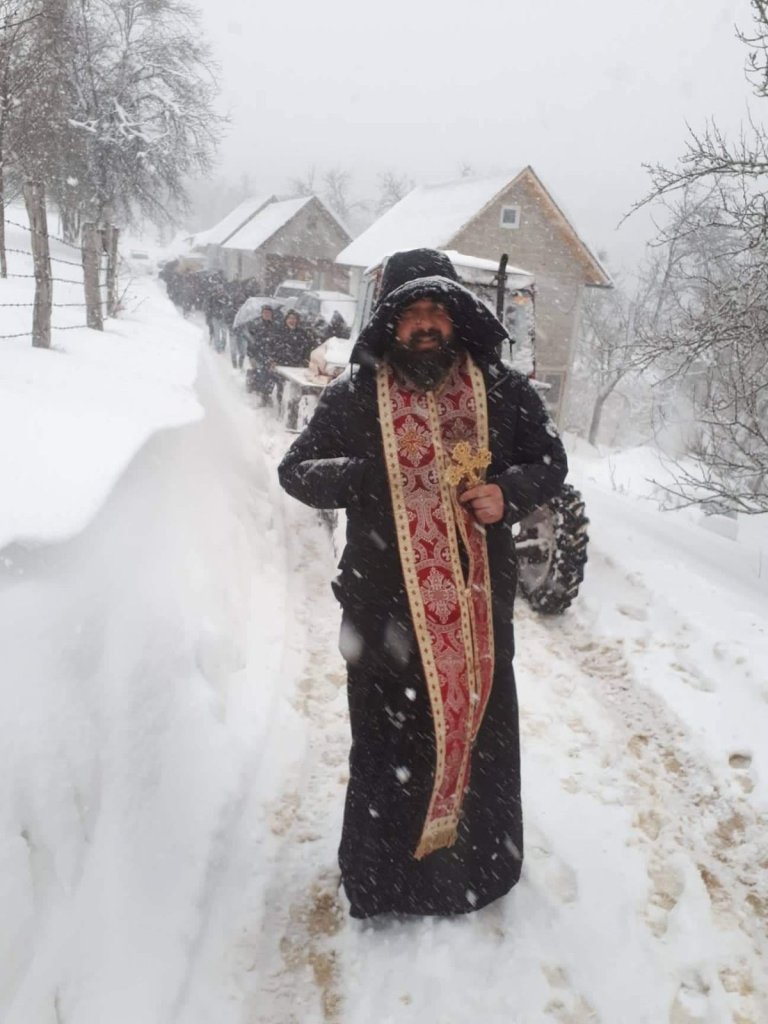
Podgorica, 07 February 2020, dtt-net.com – An EU official today called Montenegrin government and country’s Serb Orthodox Church (SPC) to enter talks for implementation of the religion law which the second protests fearing the state will retake ownership of many properties and sites the church manages, as Podgorica is undergoing a process of separating its church from the Serbia and Russia backed church.
It may be that recognizing the ridiculous in even the depths of despair may be the secret to being human. I think it’s safe to call it the J-factor, because Jews may be the most practiced in seeing life from that perspective.
Migrants intending to reach the European Union through Hungary gather in front of a border fence on the Serbian side of the border at the border station of Kelebia-Tompa, February 6, 2020. EPA-EFE/EDVARD MOLNAR HUNGARY OUT
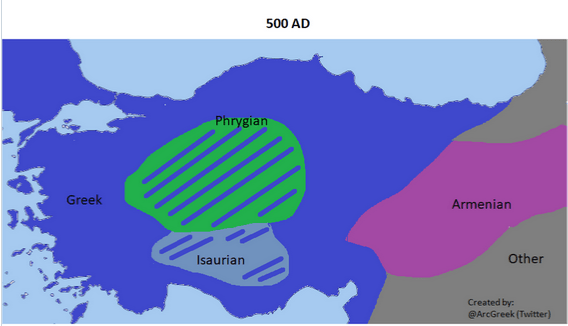
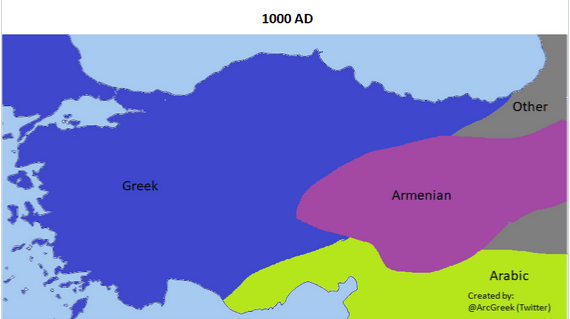
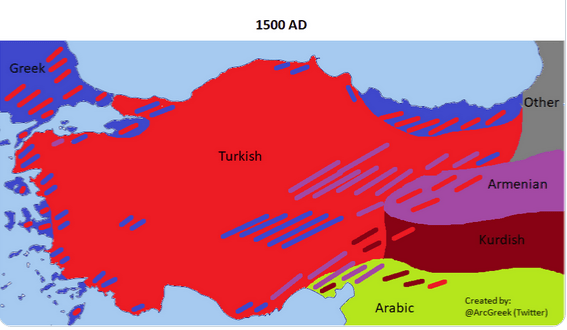
Anybody have any theories on why the Iranian plateau didn’t become as thoroughly Turkish-speaking as Anatolia did? Same conditions of Turkic dynasties ruling over non-Turkic populations (according to these maps the Seljuk Sultanate of Rum must have continued to be largely Greek-speaking). If anything Iran is even closer to an already Turkified Transoxania…
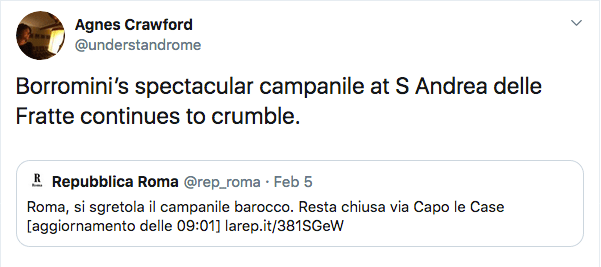
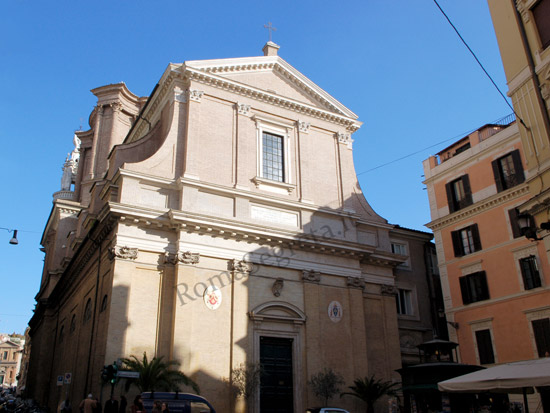
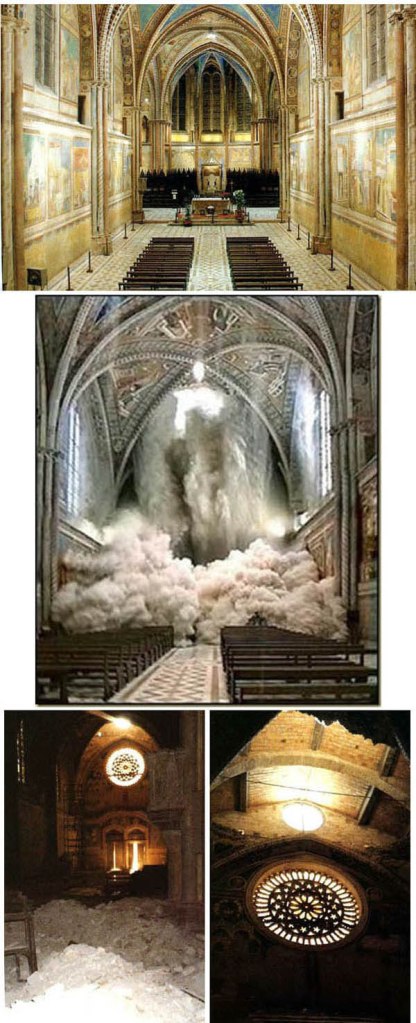
People might think this callous, but I have to admit that whenever I hear of some natural disaster in Italy, an earthquake usually, I hold my breath until I can find an assessment, not of how many casualties there were, but of what art or architecture was damaged. Because in a country where — forget the Romes and Venices even — but where the last dinky village somewhere will have at least a pretty, baroque chapel or something, something priceless must be at risk constantly. I don’t know how Italy does it — keep up maintenance of its cultural heritage while operating as a modern country.
Does anyone know a good book on the culture or politics of “curating” and Italian society?
Que maja, coño. I love this woman. A real — I mean real, really — a homegirl of mine.
And here’s two songs that are echoes back to that period. If you know, cool; if you don’t, go home, as Nasredin Hoca says, and I’ll explain in another post.
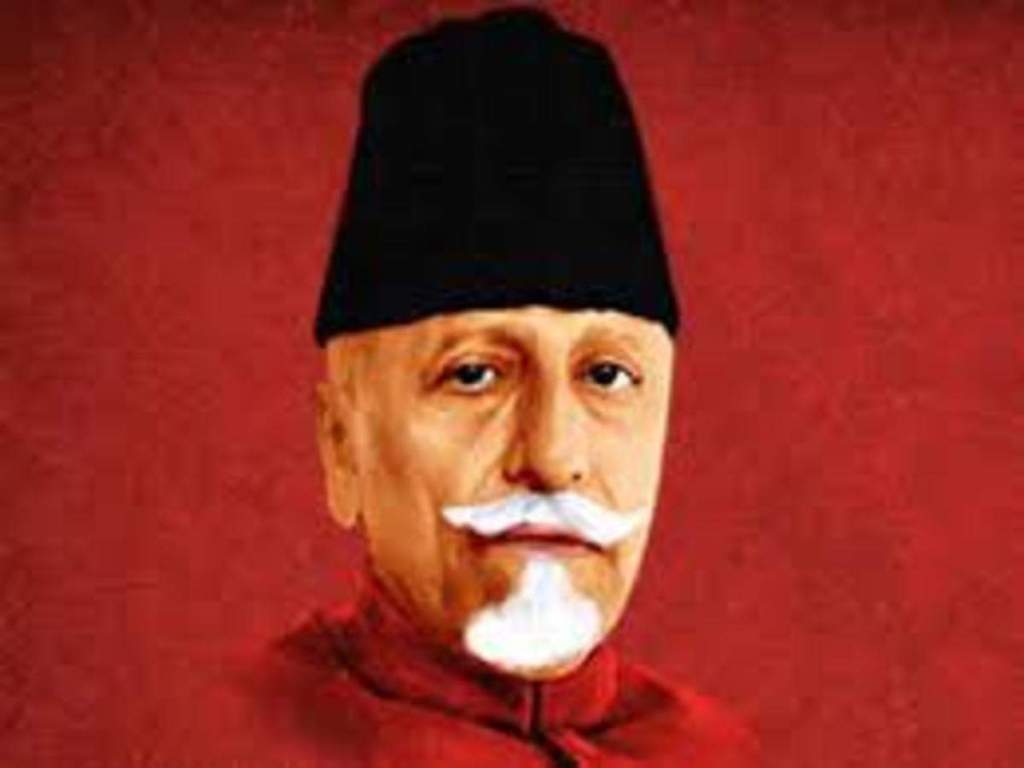
It was India’s historic destiny that many human races and cultures and religious faiths should flow to her, that many beliefs take root in her fertile soil, and that many a caravan should find rest here. One of the last of these caravans was that of the followers of Islam. We brought our treasures with us, and India too was full of the riches of her own precious heritage. Full eleven centuries have passed by since then. Islam has now as great a claim on the soil of India as Hinduism. If Hinduism has been the religion of the people here for several thousand years, Islam has also been their religion for a thousand years. Just as a Hindu can say with pride that he is an Indian and follows Hinduism, so also we can say that we are Indians and follow Islam. I shall enlarge this orbit still further. The Indian Christian is equally entitled to say with pride that he is an Indian and is following a religion of India, namely Christianity.
Eleven hundred years of common history have enriched India with our common achievement. Our languages, our poetry, our literature, our culture, our art, our dress, our manners and customs, the innumerable happenings of our daily life, everything bears the stamp of our joint endeavor. There is indeed no aspect of our life which has escaped this stamp.
The joint wealth is the heritage of common nationality and we do not want to leave it and go to the times when this joint life had not begun.
* From Abul Kalam Azad’s speech, as the president of the Indian National Congress, in 1940
India’s first Prime Minister of Education of India, Maulana Abul Kalam Azad
…stirring and right on, and ’cause you gotta love smart, angry Indian women…especially when they code-switch between Urdu and beautiful English…and quote Agha Shahid Ali.
Balkans, Anatolia, Caucasus, Levant and rest of ME, Iran, South Asia
Me, I'm Nicholas Bakos, a.k.a. "NikoBako." I'm Greek (Roman really, but when I say that in English some five people in the world today understand what I'm talking about, so I use "Greek" for shorthand). I'm from New York. I live all over the place these days. The rest should become obvious from the blog.









 Jadde: from Bosnia to Bengal