Balkans, Anatolia, Caucasus, Levant and other Middle East, Iran, Afghanistan, South Asia, occasional forays into southern Italy, Spain or eastern Europe, minorities, the nation-state and nationalism — and whatever other quirks or obsessions lurk inside my head.
A statue for Nathuram Vinayak Godse, who assassinated Mohandas K. Gandhi, at the office of Hindu Mahasabha, a group that espouses militant Hindu nationalism, in Meerut, India, last week on the anniversary of Gandhi’s death. Credit…Smita Sharma for The New York Times
Hi Niko, – Predictably enough, when I first discovered your blog (a happy accident — I was googling “Sveti Jovan Bigorski” and spent an unusual amount of time leafing through search results) one of the first things I did was look under the ‘Serbia’ tag. I’ve already seen all four of the posts you’ve referenced. All four are terrific, but I’m especially enamored of your take on Belgrade — you really understand the place and its people and its historical-geographical specifics. I haven’t seen any other English-language writer pull these elements together into such a compelling portrait of the city. It’s obvious that you care about the place, which means a lot.
–
Just out of curiosity, have you visited any other places in Serbia? I’m from Novi Sad and have the accent to prove it, but I really love the South (it’s where most of the history is, after all; and I like mountainous places). And would you recommend any other blogs? Doesn’t matter if they’re about culture, history, art, politics, travel, as long as they’re good ;) I look forward to reading more of your posts!
M
[Edited and with my links and emphases]
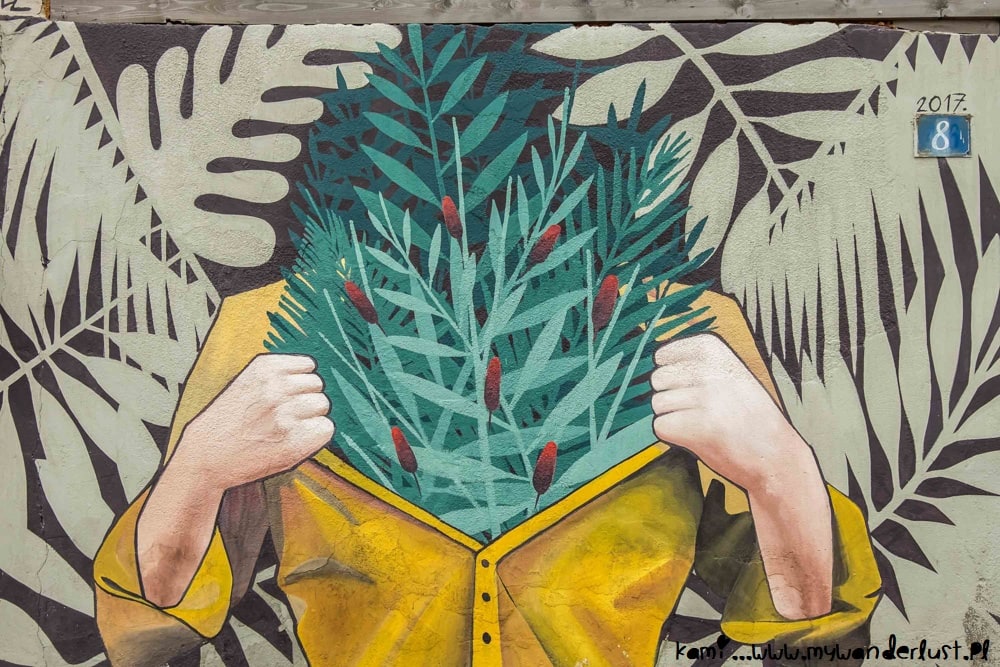
Awesome Belgrade street art
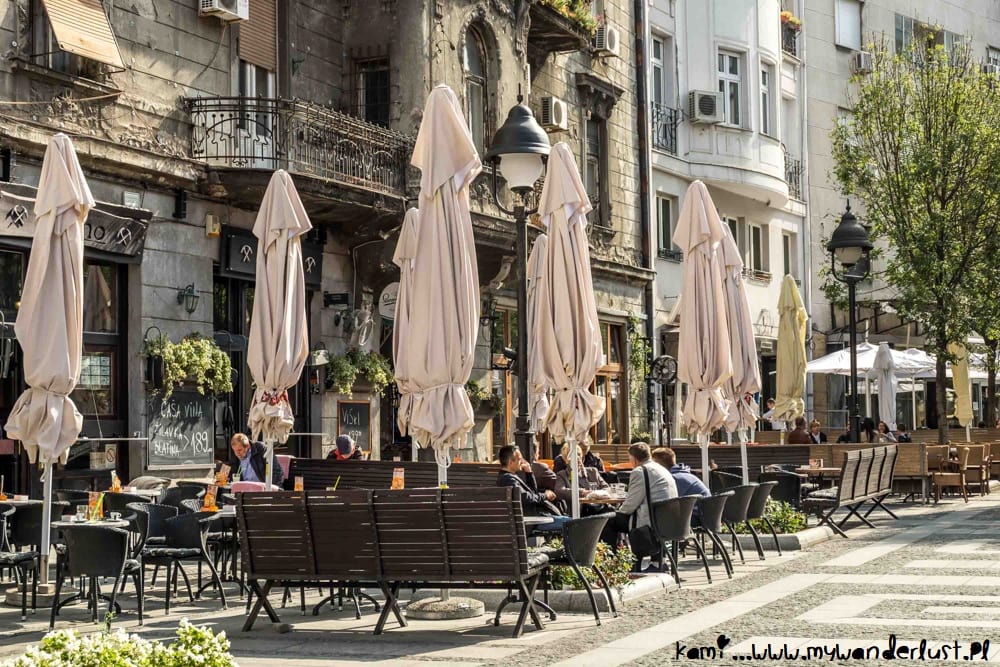
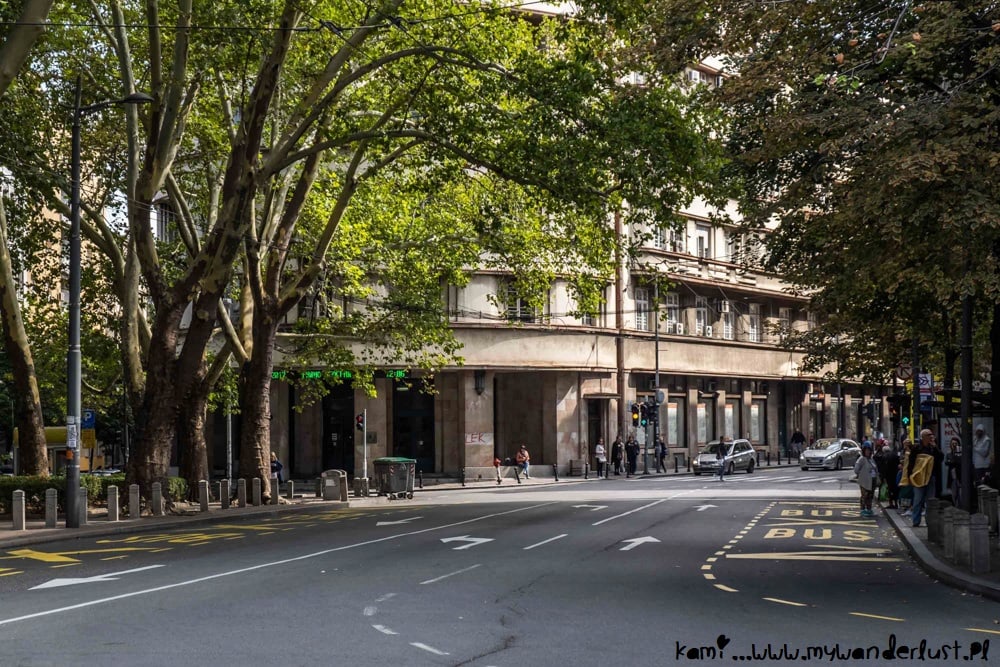
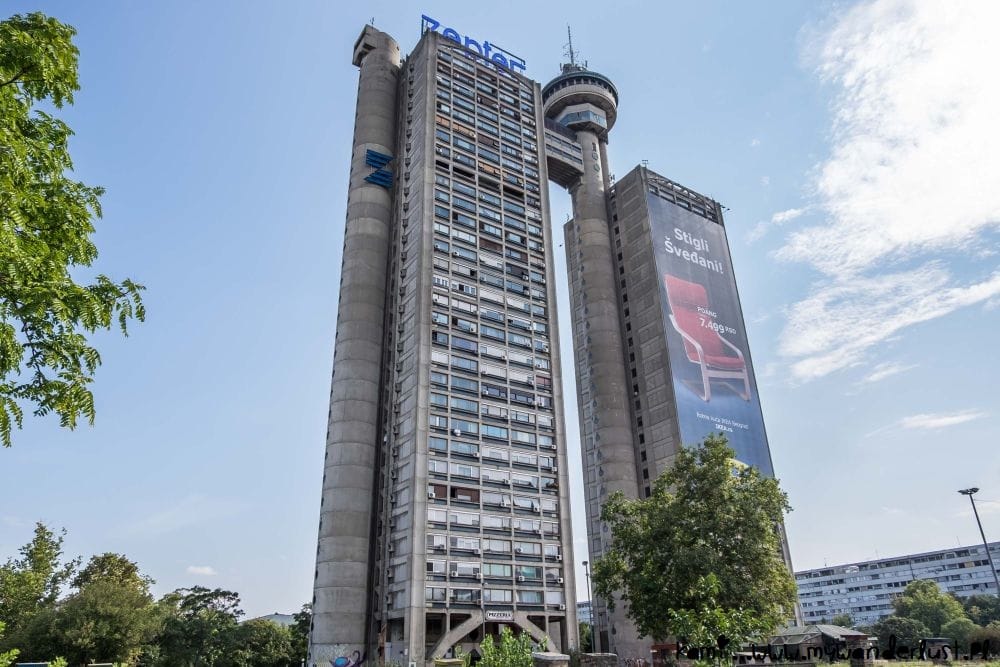
And thanks to Kami at Kami & the Rest of the Worldfor photos. See her site for some great catch-every-aspect photos of Belgrade. Money quote of her Belgrade description:
If you like beautiful cities with cute old towns and pastel houses, then Belgrade might not be for you.
But if you don’t mind more of an edgy place, with the funky vibe, great cafe scene and nightlife, some cool street art around and a peculiar mix of architecture (with some of the best examples of brutalism), then Belgrade is your place.
Her photo essay of Brutalist architecture in Belgrade and some other Balkan cities is really great and worth checking out.
I’ve had more than one old Constantinopolitan Greek say to me: You [metropolitan Greeks] call us Byzantines but we’re not any more “Byzantine” than you. “Because when the Conqueror entered the city,” Kyra Smaro says, “he slaughtered any Greeks that had remained.” And this is born out by legit historical sources. Greeks — and other ethnicities of the empire — started repopulating Constantinople, now the Ottoman capital, after Mehmet consolidated his rule; ironically often brought in large numbers by force by the Ottomans to repopulate the almost empty city.
Maybe the inevitable escalation of violence, especially against civilians after the entry of the Turks into the City will make later episodes more disturbing, since The Religion of Peace gives an army three days’ right to loot, murder, rape and enslave if a city resists and doesn’t capitulate on its own.
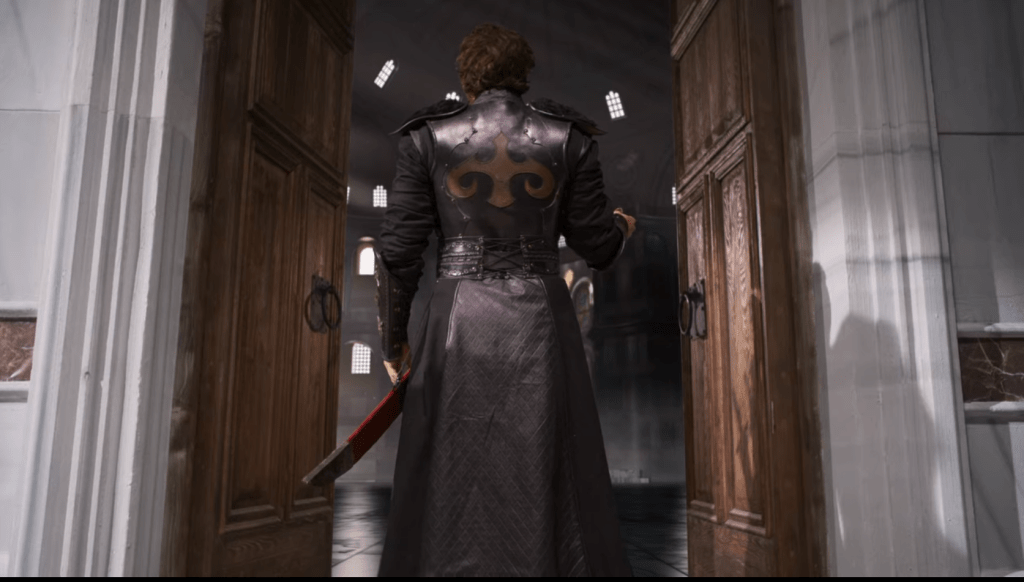
Instead of glorifying the violence, though, the production totally whitewashes it, and I don’t know what’s worse or what I find more annoying. None of the massacring or enslavement of the remaining inhabitants of the City is shown, and though we know for a fact that large mobs of Greeks had packed themselves into a barricaded Hagia Sophia, hoping to be saved there, and that when the Turks finally broke in, everyone in the church was put to the sword (try and remember the butchery in the cathedral in Andrey Tarkovsky’sAndrey Rublev, when the Tatars finally break in), Netflix gives us an infuriating segment of Mehmet tranquilly walking into an empty, sanitized, already de-imaged Hagia Sophia and beatifically walking about in wonder, amazed at the building and the fulfillment of his own miraculous destiny.
And then there’s the sidebar story ofLoukas Notaras, megas doux, the Grand Duke, something like a Prime Minister or Grand Vizier, to Constantine XI:
I do dread the thought of how they’re going to treat the fate of the Notarades, though. It’s much too scintillating to just leave out of the whole narrative, yet to show it to us they’d have to admit that their revered Fatih Mehmet was what we would today call bisexual, and that he was also a cruel sadist, and I don’t know how that would have sat with the Turkish side of the production.
I think we do know that Notaras tried to cooperate with the new rulers and perhaps tried to buy Mehmet off in exchange for his and his family’s safety. But apparently, soon after the fall, Mehmet ordered that he be sent one of Notaras’ handsome sons, Jacob, a notably beautiful teenager, who had inevitably caught Mehmet’s eye, to do…well…whatever with. Notaras refused and Mehmet then had the boy and perhaps his other brothers decapitated in front of his father and then decapitated Notaras himself.
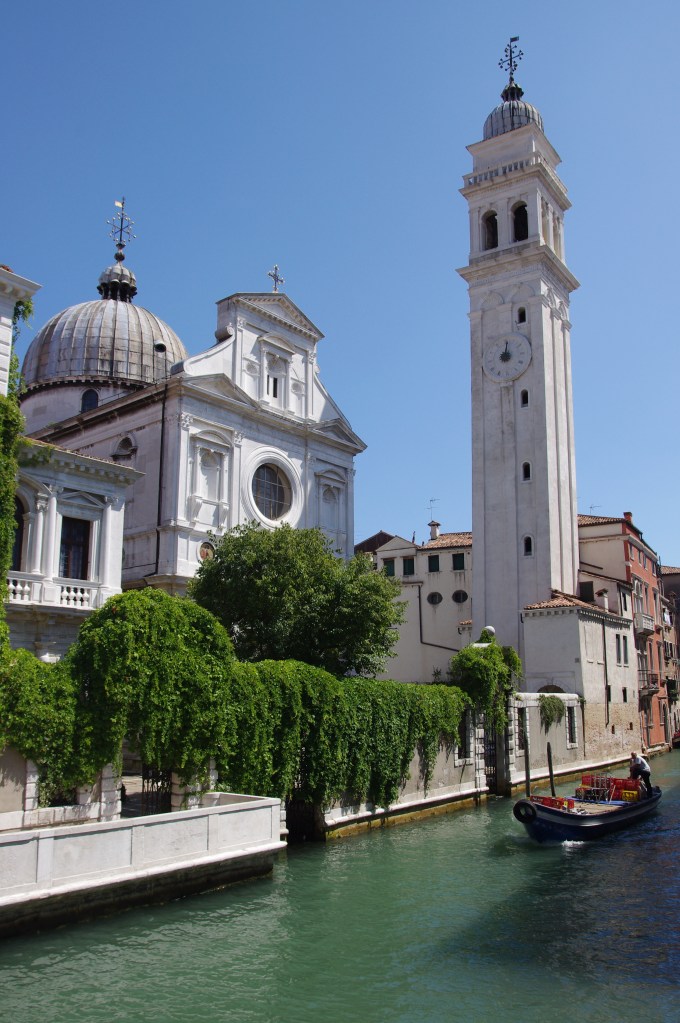
A daughter of the family, Anna, somehow ended up in Venice — whether she had escaped before the fall of the City or not is not clear — but became a sort of Queen Mother in exile and benefactress to the large Greek community there,(Notaras, being a “spins-gold-out-of-thin-air” Greek, had invested most of his wealth in real estate in the Venetian Republic) creating a Greek school and setting in motion the construction of the first Greek church in Venice, San Giorgio dei Greci (below) or St. George of the Greeks, a truly gorgeous church, with an adjacent icon museum that shouldn’t be missed if you’re in Venice next; seriously, it’s one of the sites in the city critical for understanding its role and position in the larger Mediterranean.
And it might seem odd, given that so much of this blog is dedicated to making Greeks’ understand (or accept) their relationship to the East, that I’m now musing on our relationship to the West. But San Giorgio itself is — along with the glorious icons from Venetian Cretan School, along with other things that then come to mind…the unique urban beauty of the city of Corfu, or the couple dances, balos, of the Aegean islands, and the liltingly beautiful music that accompanies them, or reading Erotokritos, or El Greco — among the things that beg the question: “What if?” What if the Ottomans hadn’t prevailed? At least not for so long and over such a huge piece of territory? What would we “look” like now?
Anyway, the story of Mehmet and Notaras’ son, Jacob, is so lurid and full of orientalist tropes about sexually depraved Muslims that it’s hard to know if it’s apocryphal or not (that Mehmet was bisexual, or at least what we would call bisexual today, is not in doubt, however. But, again however, bisexuality was par for the course in the mediaeval Muslim world, as it was in the classical Greco-Roman world which had preceded it, so it was not a particularity or idiosyncrasy of Mehmet’s nor would it have been considered immoral at the time). And some historical sources claim that Jacob wasn’t beheaded but ended up in Mehmet’s harem or serving him at his new court, and later escaped to Venice to join his sister Anna and two other siblings of his. I can tell you one thing: the whole story of the Notarades is so fascinating and complicated that someone should give it a historical fiction chance, print or screen, at some point.
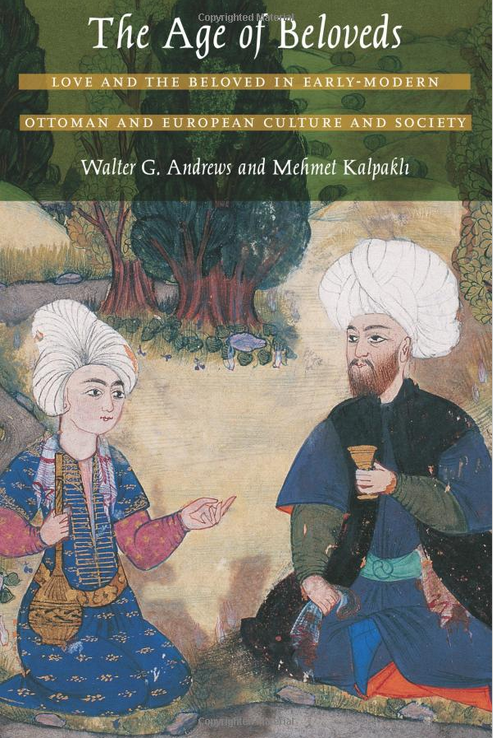
There is this fascinating and kinda wacky book out there, The Age of Beloveds: Love and the Beloved in Early-Modern Ottoman and European Culture and Society, by Walter G. Andrews and Mehmet Kalpaklı, that describes a homoerotic and bisexual court culture that the authors argue existed in both East and West in the early modern Mediterranean, that starts off with the story of Mehmet and the Notaras boy, and that claims the whole incident was a cultural misunderstanding, and that Mehmet was honoring the Notaras family by seeking the intimacy of the handsome young Greek boy. I’m not doing the book justice; it’s complicated and parts are actually very beautiful. Check it out; it’s very interesting.
As for “Ottoman”, it ends up being an atypically Netflixian anodyne treatment of a fascinating historical moment.
The fiasco was captured this week when that pompous and pitiful British nationalist, Nigel Farage, waved a miniature Union Jack in the European Parliament as he bid farewell and was cut off by the vice-president of the Parliament, Mairead McGuinness. “Put your flags away, you’re leaving, and take them with you,” she said.
How beautiful:
Yes, Britain was undefeated in World War II and helped liberate Europe. But it could do so only with its allies; and it was precisely to secure what it is now turning its back on: a free Europe offering its people the “simple joys and hopes which make life worth living.” [my emphasis]
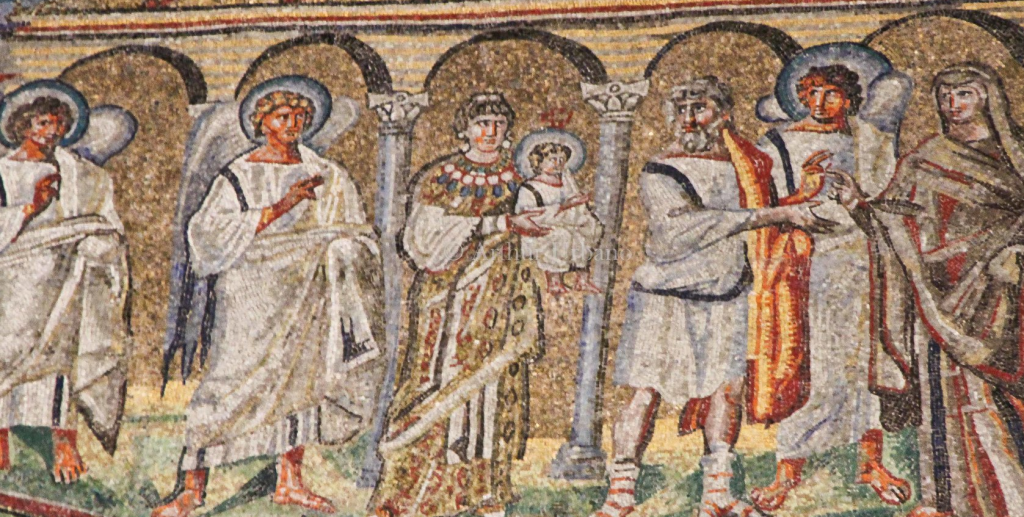
The papal basilica of Santa Maria Maggiore, located on Rome’s Esquiline Hill, dates to the fifth century, perhaps replacing an earlier church. According to a popular tradition, the site was chosen after a miraculous snow storm in early August was sent by the Virgin Mary. Dedicated by Pope Sixtus III, it was one of the first churches dedicated to the Virgin Mary after the Council of Ephesus declared her Theotokos, or Mother of God, in 431. This detail in mosaic from the magnificent triumphal arch marking the entrance into the sanctuary is a representation of the presentation of the infant Jesus at the Jerusalem temple (Luke 2:22-38). The program of the arch generally depicts scenes from the Infancy narratives of the gospels (both canonical and non-canonical). In this detail, the Virgin Mary (center), dressed in imperial garb, holds a toddler Jesus in her hands. To the right is Joseph, who looks at Mary as he gesture towards another woman (right). This is likely the prophetess Anna, who “gave thanks to God and spoke about the child to all who were awaiting the redemption of Jerusalem.” Angels accompany the figures. In the background is a colonnade likely intended to represent a atrium preceding the temple itself (which appears to the right of this image). Follow me on Twitter @arturoviaggia
The Feast of the Virgen de la Candelaria in Spanish and Candlemass in northern Europe, is or was when women brought candles to their parish church to keep up the supply. The young raped and murdered woman in Bergman’s gorgeous The Virgin Spring is attacked as she’s going to church for the celebration. She’s also patron saint of Medellín in Extremadura, Spain and the other one in Colombia too. “της Υπαπαντής” in Greek: Ήταν μια παράδοση για τα πρωτότοκα αγόρια που την τήρησαν οι κηδεμόνες του Ιησού ως πιστοί Εβραίοι. Κατ’ αναλογίαν σήμερα είναι ο “σαραντισμός” που τελούν οι μητέρες με το παιδί στον χριστιανικό ναό.
If I’m not mistaken, the feast comes from when the Virgin goes to mikvah after the birth of her child — forty days in Judaism — and to present him as a young male child officially to the Temple.
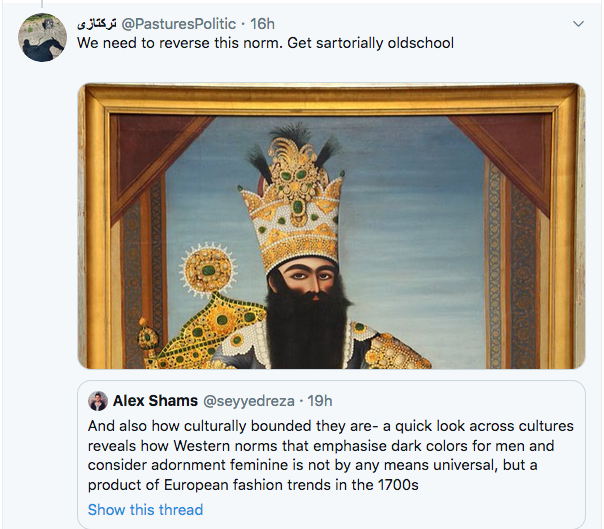
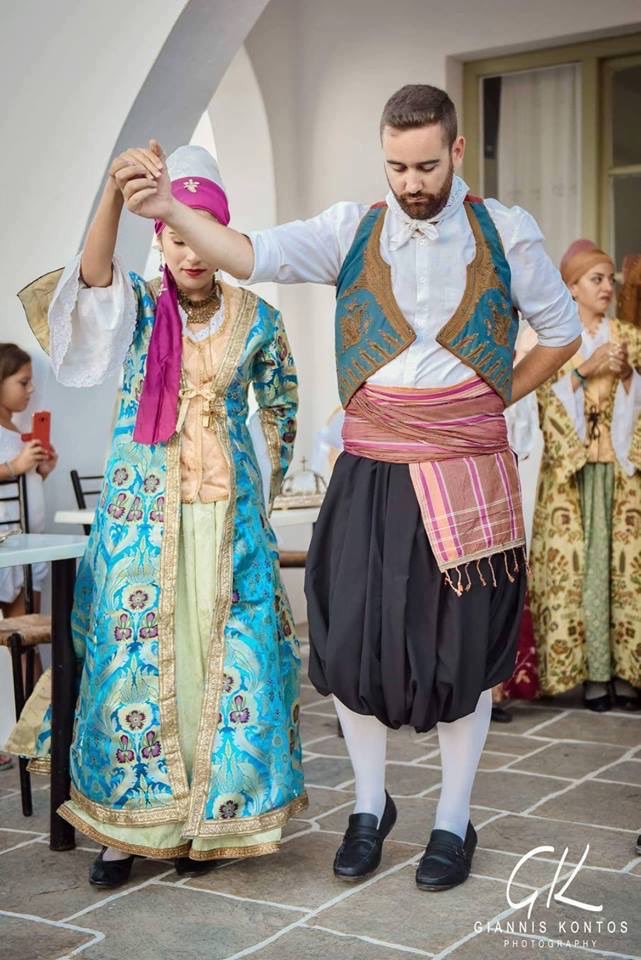
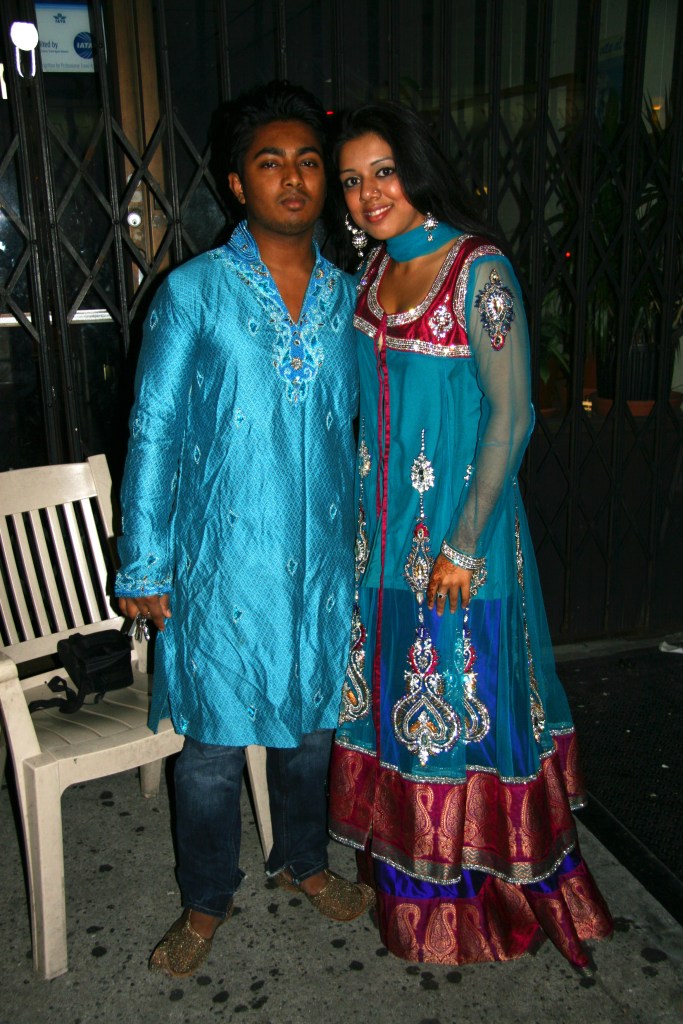
I’m always really jealous of South Asians, who still get to wear beautiful clothes in the 21st century, even if it’s only for special occasions, while the rest of us are all permanently trapped in the blacks and greys of nineteenth-century bourgeois guilt.
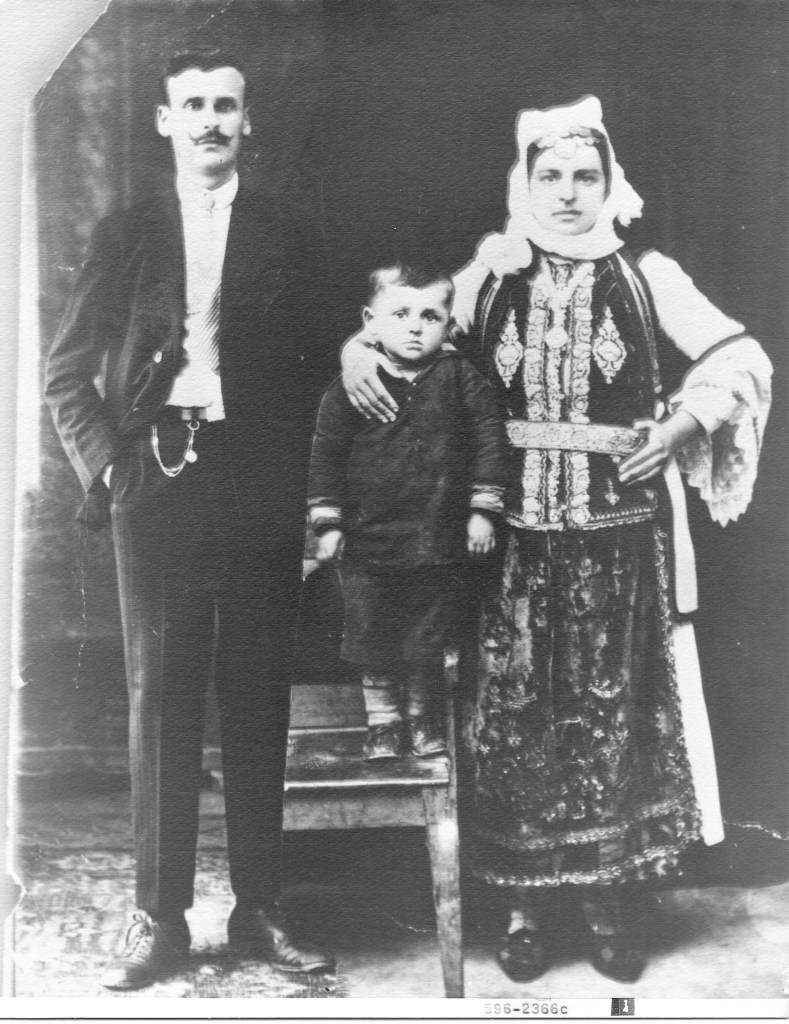
I mean check out my grandmother in her full dress kit. When will any woman I know ever get to wear something so lavish and glamorous? all velvet and gold thread, green silk and lace, and white felt with red and black embroidery? And in a poor Balkan village…
And for the rest of us, trapped in the aesthetics of nineteenth-century, false bourgeois humility and, now, its descendant, the fake hipness of charcoal and black, PLEASE keep wearing those clothes, and be enormously proud of them.
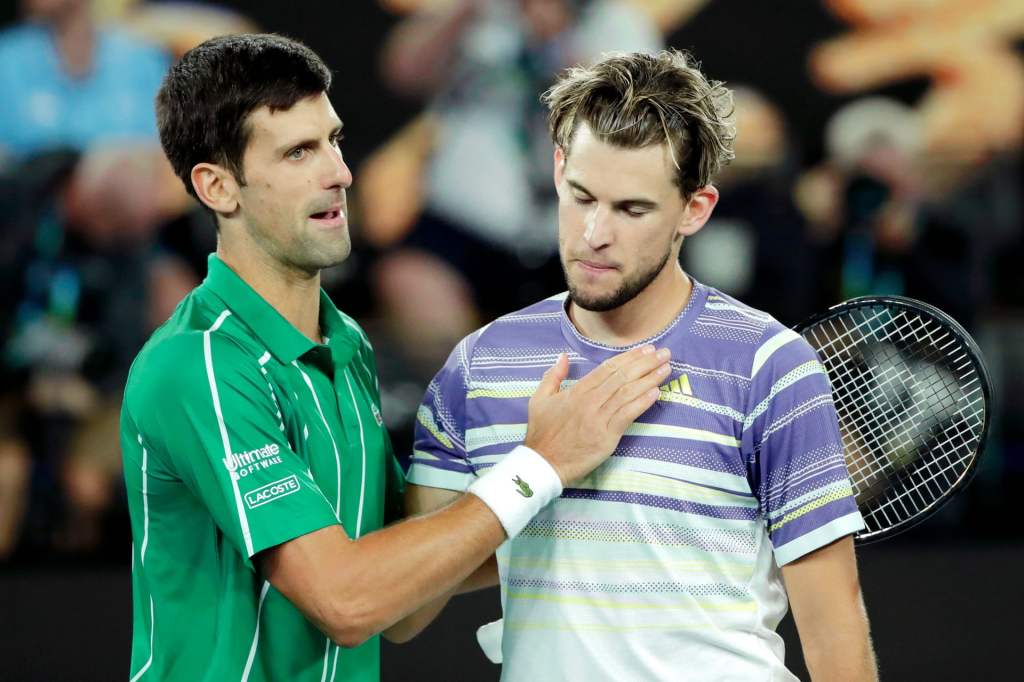
Djokovic took almost four hours to win 6-4, 4-6, 2-6, 6-3, 6-4 in defence of his favourite title in his favourite city, but he came desperately close to being booed out of the championship by a small section of the crowd who turned on him at the very moment he needed friends the most. As his tennis disintegrated, he yelled at them: “Shut the fuck up!” [my emphasis, of course.]
Balkans, Anatolia, Caucasus, Levant and rest of ME, Iran, South Asia
Me, I'm Nicholas Bakos, a.k.a. "NikoBako." I'm Greek (Roman really, but when I say that in English some five people in the world today understand what I'm talking about, so I use "Greek" for shorthand). I'm from New York. I live all over the place these days. The rest should become obvious from the blog.








 Jadde: from Bosnia to Bengal