
From Sergey Paradzhanov‘s The Legend of Suram Fortress

Athens: güle güle Güllüoğlu
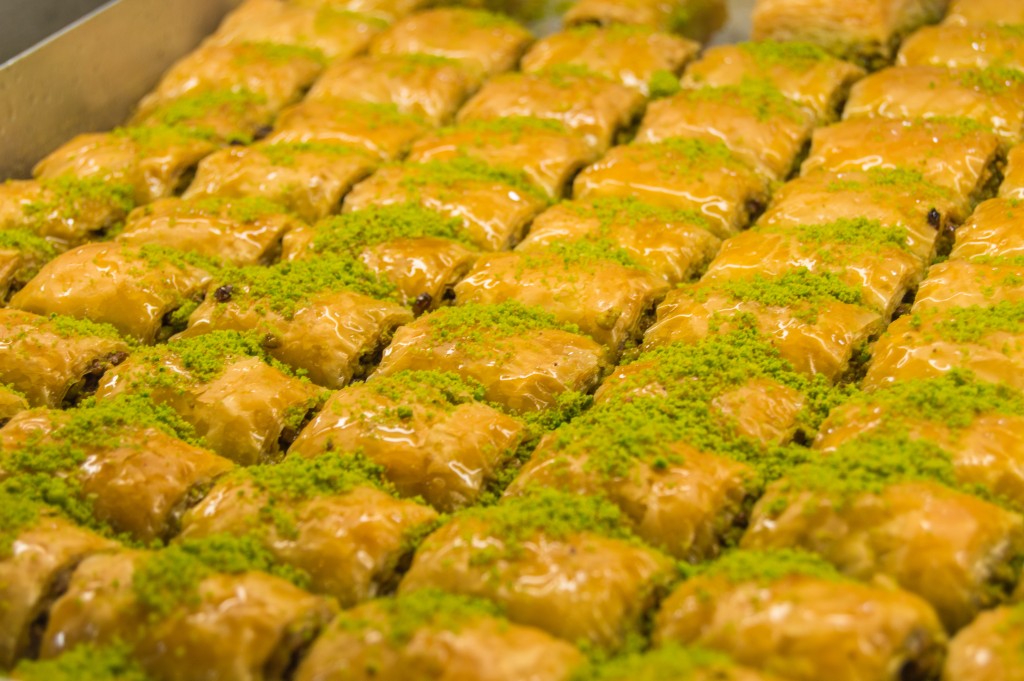
24 JanSeveral years ago a branch of Karaköy Güllüoğlu, easily Istanbul’s, and the world’s, best baklavacides and other sweet and pastry makers, opened in Athens, in dead-center downtown, Nikes Street, right behind Syntagma near Hermou.
All the products were excellent, as good as Istanbul. Athenians caught on quickly and it was amazing to see lines of them waiting outside the store on New Year or Easter to buy çörek, because Gülluoğlu’s hallucinatorily aromatic çörek is the only archaeological evidence we have of the manna God fed the Israelites in the desert.
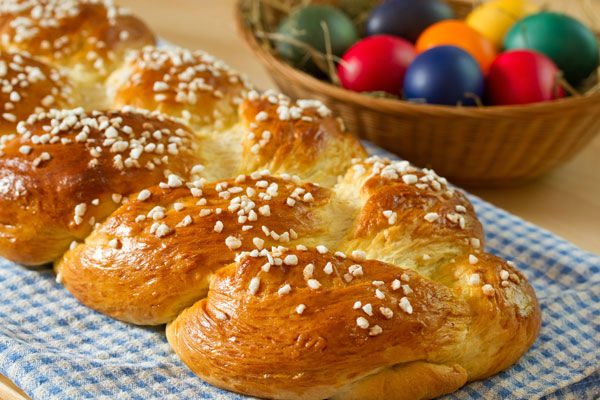
And the sign up front wasn’t pulling any punches either:

But yesterday, I went by and saw that the sign had been replaced with a generic “Baklavas”.
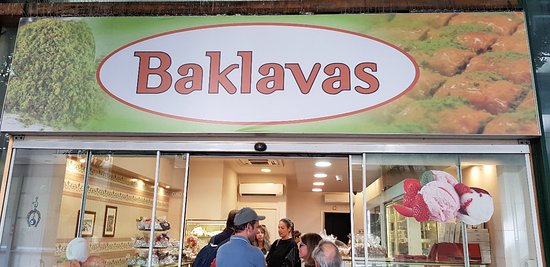
I asked why:
“So that people know our products are made here.”
“Most Athenians don’t even know where or even what Karaköy is. Was the old sign hurting business, ya think?”
“We wanted people to know that our products are made here, not in Karaköy”. [wherever that is]
“You were always packed, since the day you opened. I don’t understand. Was the old sign hurting business?”
“We wanted our customers to know that our products are made here?”
“Here? Where?! (And here those who know me can hear my irritation starting to break down into a spittly stutter) Nikes? Syntagma? Downtown Athens? The Kingdom of Greece and not Constantinople? Here where? Because Konstantinidis [a den of mediocrity pastry-wise] announces proudly on its signs that its products are: ‘based on Asia Minor tradition since 1922.’ And your new sign just kinna stupidly — excuse me — says ‘Baklavas’ and doesn’t say made in Athens or made in Greece or anything else?
“We wanted our customers to know that our products are made here?”
“I just ask…. Ugh… Can I speak to the boss or owner?” (I love being the pain-in-the-ass New Yorker sometimes, especially when someone is ineptly stonewalling me, because New Yorkers become Mehmet II at the walls of the City when someone is stonewalling them, especially — and most unforgivably — in an unintelligent fashion.)
“He’s not here right now.”
“When is he available?”
“Usually in the mornings.”
“When?”
“In the morning”.
“Like proi-proi or mesemeraki?”
“Around then”.
I bite my tongue.
“Well, here’s my name and number. Just tell him I’ll be trying to get in touch with him one morning. I have business in the center daily these days so I’ll try and swing by.”
So, we’ll see. Maybe I’ll bag an interview, though I don’t expect it to be less robotic than that of the poor tormented salesclerk.
Here’s one theoretical lead to this business though. Güllüoğlu actually has several branches around the world these days; there are two branches in Manhattan, and the warehouse/factory in Astoria, which is just deliciously down the block from St. Demetrios on 31st Street. Three Turkish friends of mine are convinced that Güllüoğlu (no alliterative joke intended) are Gülenist operations, and that that isn’t a marginal belief in Turkey. Can the Turkish embassy have actually bothered Greek authorities with something as stupid as taking the Karaköy sign down? Are they really fronts for Gülenist operations and they just thought it was best to cover their asses?
Who knows?
‘Cause if it’s not something like that it means we’re in 2020 and still busy changing Liopesi to Paiania. And you thought my imam campaign was just a joke.
–
Comment: nikobakos@gmail.com
–
The imam must go; please help us
24 JanI’m starting a campaign to ban the term “imam baildi”. We’re going to call it “baked eggplant” or “aubergine orientale” or something like that…

It’s a matter of national security, say my sources at foreign affairs.
Write to: nikobakos@gmail.com for support or financial donations.
“Stanger’s Guide”: very cool (if pricey) travel site
24 JanThe homepage.
Many super interesting and high production value articles. Just two of many that were of particular interest to me, Moscow, and Indian food:
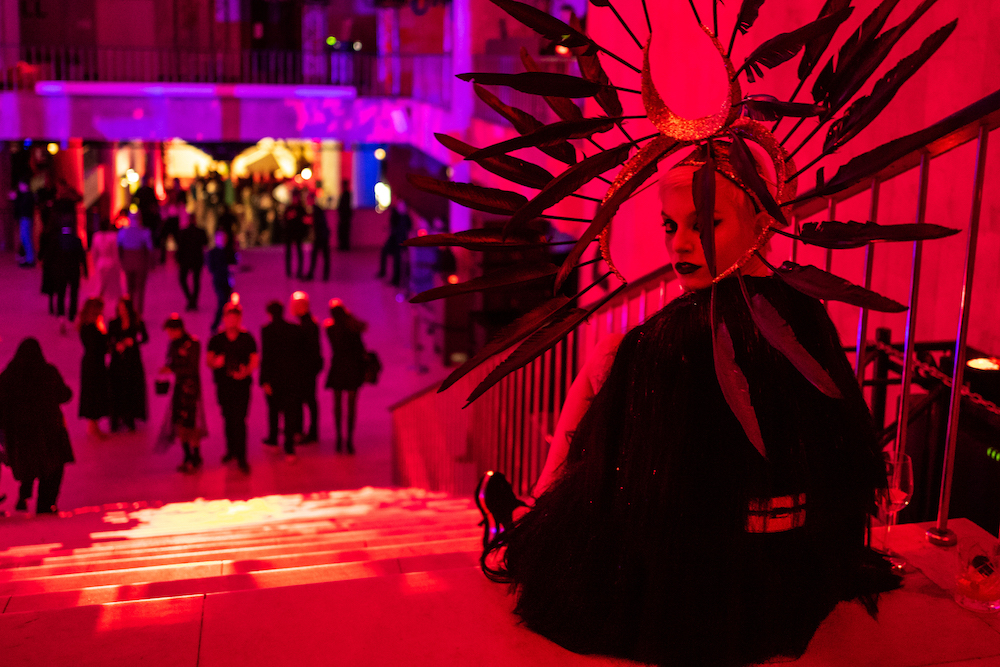
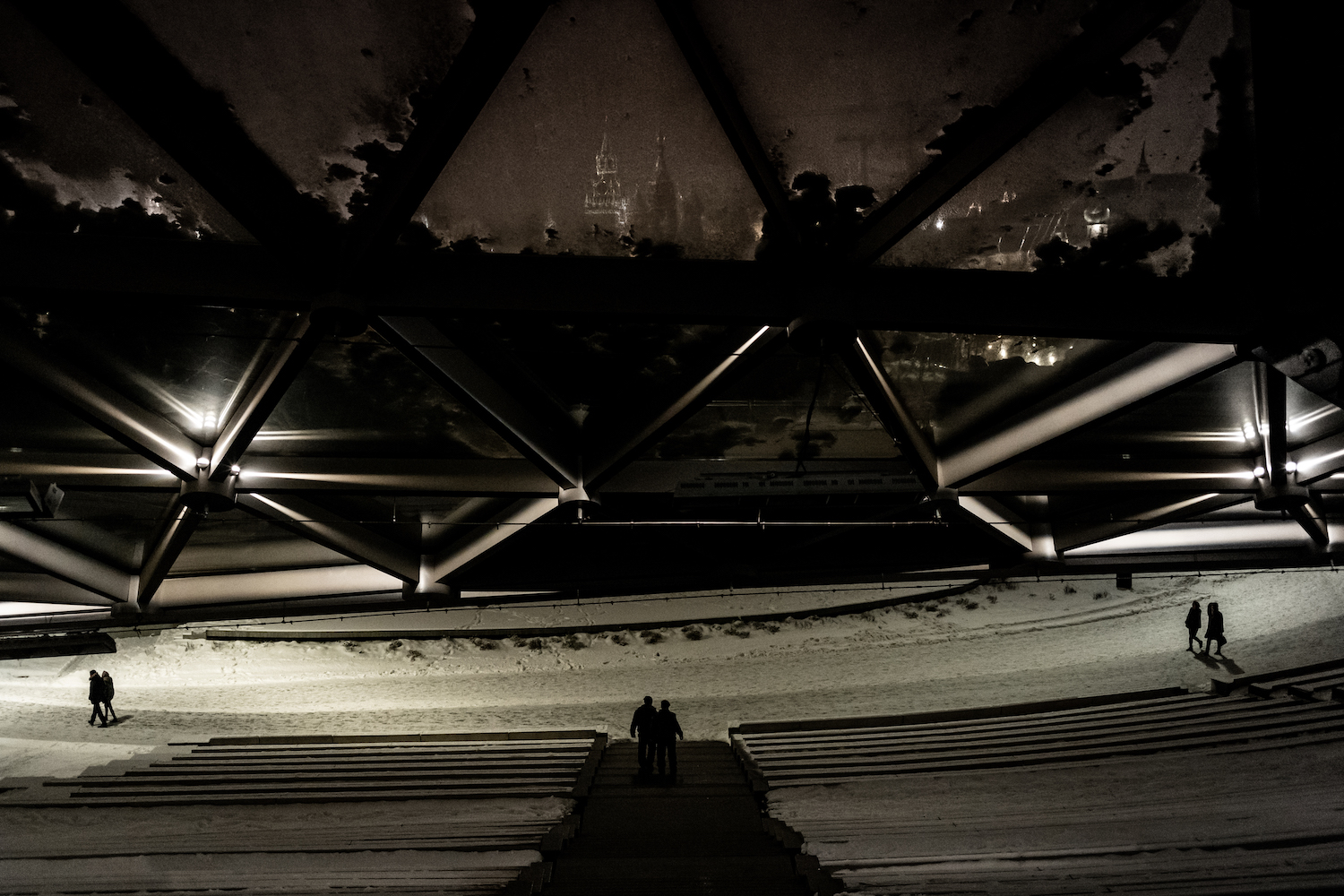
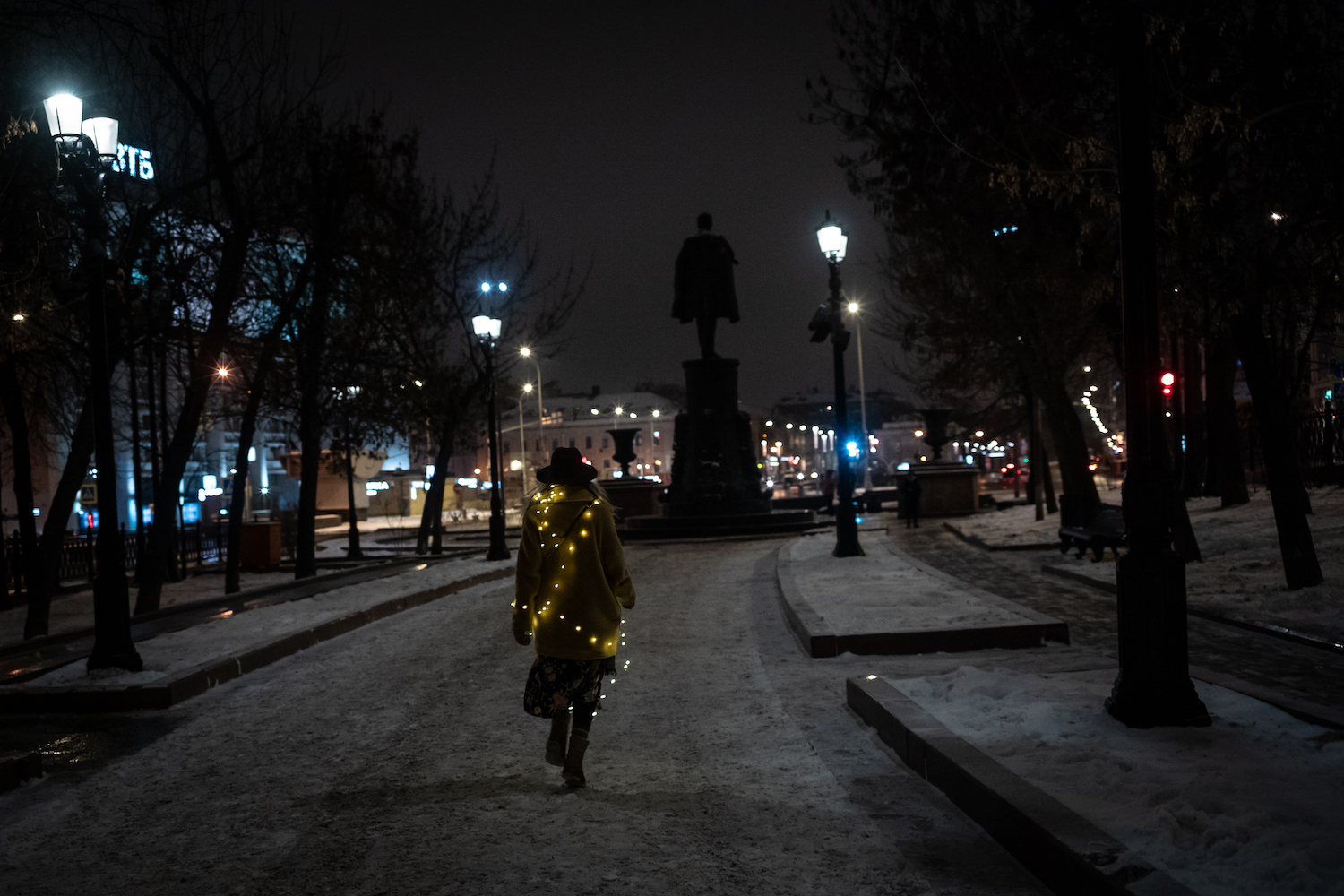
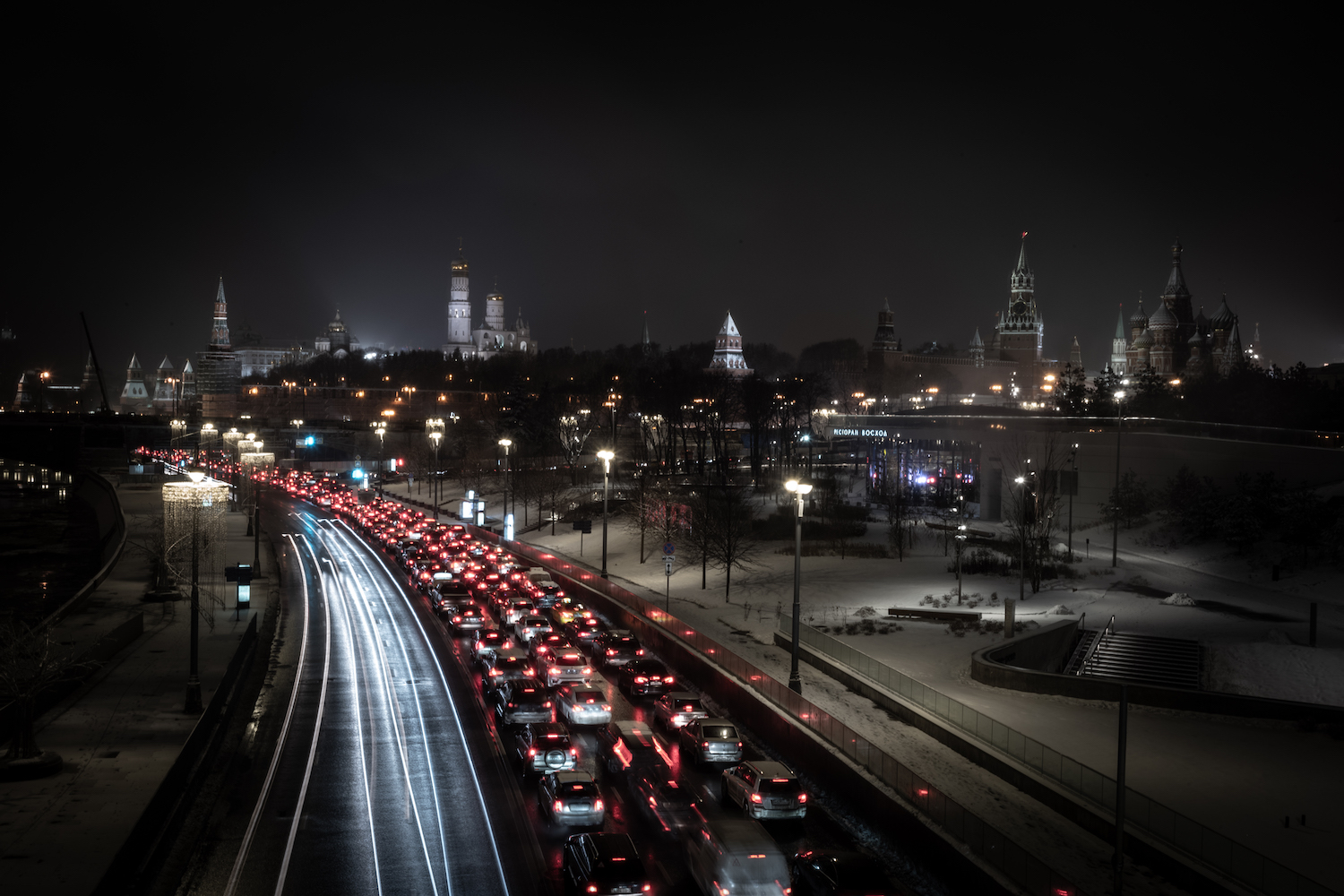
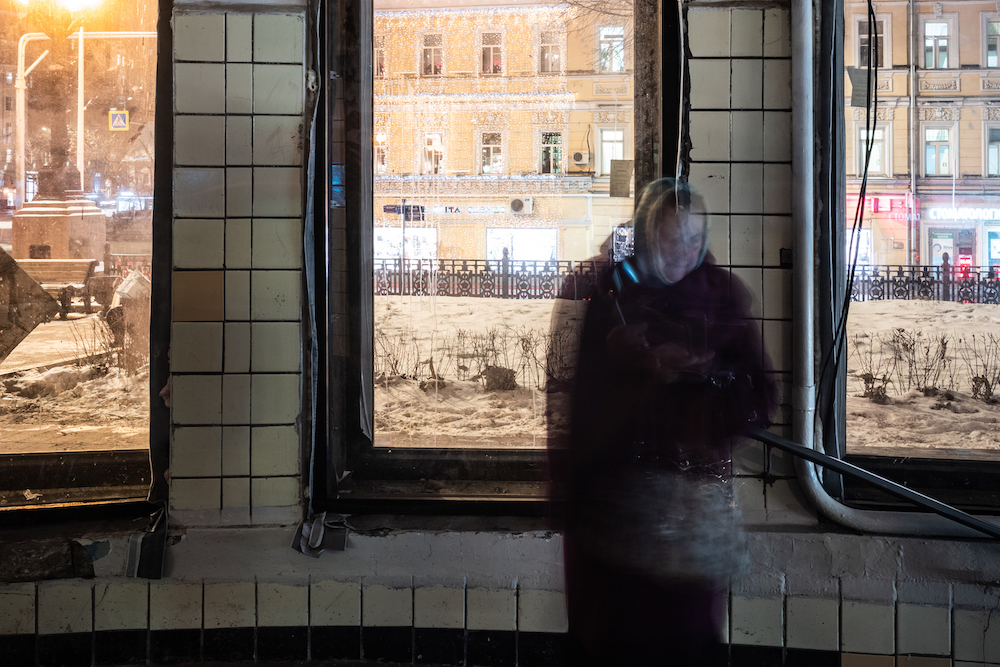
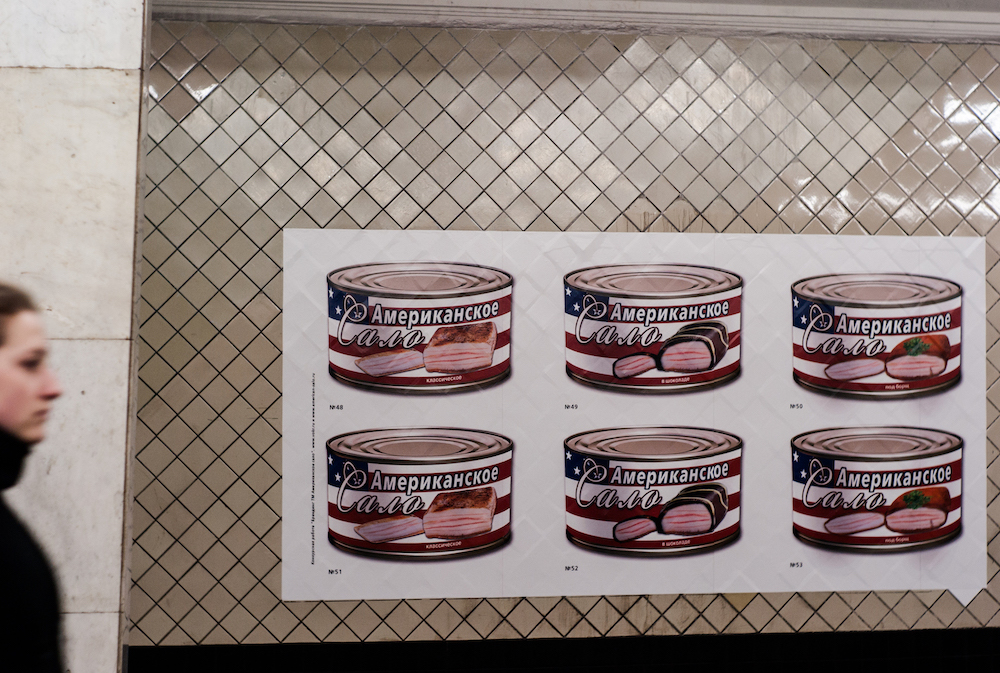
Moscow Doesn’t Believe in Anything?
While Muscovites progress, the State embraces the past.
Photography by Misha Friedman
February 12, 2019 1/13
There’s an old saying in Moscow, bantered about when times got tough: “Moscow doesn’t believe in tears.” The saying was made popular by an Academy Award-winning Russian movie with the same title, produced in 1980, that followed the lives of three stoic women as they forget lives for themselves in Moscow. The words were clear enough: What’s the point of crying? Walk on. Your small pain isn’t special—you must persist.
But that mantra has changed. The city has undergone an epic transformation from ideological Soviet-style socialism to the hectic and chaotic 1990s, where gangsters and oligarchs made a land grab for the country’s resources and fortunes rose and fell in a week.
And what is Moscow today? Its clean, bright, renovated streets evoke European grandeur and wealth. There are fewer tacky casinos and fewer status-seekers hoping to see-and-be-seen at sushi bars. There are more sophisticated eateries, more independent designer boutiques and bright new shops. While Moscow dines and dances, the state continues to repress, obfuscate and censure.
So the question becomes: what does Moscow believe in now?







************************************************************************

Photo credit: Public Domain Global
The Curry Chronicles
In the West, Indian food has become a bland bastardization of the complex original.
by Nikhil Merchant
June 2, 2019
Skimming across a menu at one of Los Angeles’s critically acclaimed ethnic Indian restaurants, I didn’t bother going past the first few entries. This was possibly my thirtieth visit to an Indian restaurant in the city over the years and—as expected—it was as generic as an Indian menu could be.
I had envisioned the layout before I even opened it: the “beverage” section with the omnipresent chai tea and lassi, the food part right after—samosa with various fillings, an assortment of chaats and other street foods headlining the velvet covered menu. Next, a “tandoor” section with an assortment of meats, vegetables and seafood in chargrilled kebab style. Random soup preparations—garam masala tomato consommé anyone? Or dal soup? The “salad” section follows with a chicken tikka Caesar salad marked “local special.” An a-la-carte entree section devoted to various curries such as makhani, tikka masala, vindaloo and saag. “Choose your protein” with any curry, served with a choice of kachumber (mixed vegetable salad), chutney, naan bread/rice side, eventually ending on a sweet note with three or four common dessert selections (gulab jamuns, kulfi and rasmalai).
If I were to breakdown the Indian food map, it would be impossible to fit it all in one book, let alone one article. Indian restaurants in parts of the world other than India have generalized its cuisine to a point that it is concentrated to a few dishes, which apparently represent India but are nowhere close to the real deal. Indian cuisine is so vast and so diverse that it is almost hyper-locally differentiated rather than just by regions or even cities. Over decades the Indian diaspora has changed drastically, and even in India, our cuisines have metamorphosed into a mere shadow of what traditional, authentic Indian cooking is all about.
Indian restaurants in parts of the world other than India … are nowhere close to the real deal.
Our cuisine has seen a significant change from ancient Indian cooking, almost wiping out decades of originality due to colonization, ingredient adaptations, and as of today, new world convenience. If Indian restaurants abroad are the barometer, then you would be forgiven for thinking Indian food is all about the heat index and that curry, mostly dominated by a tomato base, defines our main courses.
It certainly wasn’t always this way. And it’s a lot more complicated than boiling everything down to a curry or a few ingredients. We did not have tomatoes, potatoes and chilies in ancient India and black pepper was the only spice that provided heat. These ingredients were grown in abundance much later and were largely European and American produce. Food historian and chronicler Professor Kurush F. Dalal explains how chilies were introduced to India during the 16th Century, and within 100 years, they had become the main source of heat in our food, with other spices almost losing their relevance. Chilies are easy to grow (any condition, any soil) and also way cheaper. Every region also had its own souring agent such as kokum, limes, tamarind and mango. These were soon easily substituted with tomatoes, and the preparations quickly adapted to the bold and piquant flavors of this juicy fruit.
Another acclaimed food historian, Dr. Mohsina Mukadam, who is also the Head of Department of History at Ramnarain Ruia College, Mumbai, further reconciled these facts by pointing out how new curries were born using this fruit as a base, but it took a while to become established since Hindus across the country did not accept tomatoes, this fleshy fruit with its red color, so easily (it resembled meat texturally and in color). It was only when an epidemic of viral fever hit our shores and we saw changes in health policies that tomatoes were suddenly heralded as a medicinal source and the entire nation adopted this ubiquitous ingredient.

The British were certainly not going to be cooking in the army kitchens; it was beneath them and left to us. Our cooks were experts in the eyes of the British, and our food as complex in technique to conjure as the French. Coming from all over India, the cooks came armed with expertise from their own lands, bringing all that knowledge under one roof. Their cooking used the ingredients at hand, wielding spices and marrying ingredients that created the menus of the 1900s. The dishes were a subtle mix of French and European fare with some interesting Indian preparations such as lentils (used in dals, rasams, sambhars) and curries (dak bungalow mutton curry and railway mutton curry). While Indian eating customs were family style, the British tweaked our dishes to represent a more orderly meal style, where lentils were served as the soup course (rasam’s British form was the mulligatawny Soup) and the curries with their assorted sides became entrees.
When the British left India in the late 1940s they were already hooked on our flavors. They took with them the little knowledge they had about Indian food, quite conveniently converting it into what stands today as the global average of Indian cuisine and giving rise to “curry houses,” which rule the Indian ethnic concepts all over Europe.
Around the same time, Kundan Lal Gujral, an enterprising restaurateur (hailed as the father of tandoori cuisine) popularized tandoori and mughlai dishes. His legendary restaurant in Delhi by the name of Moti Mahal was filled with statesmen and dignitaries tucking in his signature and most famed creation, murgh makhani (butter chicken). Butter chicken is a silken tomato curry, riddled with butter and cream, layered with sweet and hot, fragrant spices. It is further fused with the chargrilled, smoky chicken tikka, making it a deliciously complex dish.
Our cuisines have metamorphosed into a mere shadow of what traditional, authentic Indian cooking is all about.
Murgh makhani today has many versions due to its popularity in India, but the British were mildly influenced by its contents and went on to create the chicken tikka masala in the 1960s, and that went on to become one of the most popular dishes in any Indian restaurant abroad. Today it’s also considered a true British national dish.
What exactly is chicken tikka masala? Many interpretations exist and there are possibly a few dozen combinations. The British had a penchant for the North Indian tandoori chicken, a dish popularized by Moti Mahal. They came up with a simplified Indian curry of sorts with uncharted reports suggesting that Campbell’s soup was used to ‘wet’ the dry grilled tandoori chicken, along with a host of basic Indian spices.
They tried to replicate butter chicken, but the recipe unfortunately underwent so many makeovers that it turned out to be a far cry from the traditional preparation. A version that was intensely spiced and less balanced went on to become chicken tikka masala. Monish Gujral, the grandson of Kundan Lal Gujral, agreed that “the relevance and popularity of tandoori dishes, including the famed murgh makhani, has traveled across seas and molded the style of Indian menus all over. There are several versions which exist today but they almost take root from my grandfather’s restaurant.”
The simple murgh makhani was further bastardized with unnecessary additions. The bright red color derived from an ancient root ratanjyot (alkanna tinctoria) prevalent in curries and tandoor preparations was used to entice the diner in a visual feast. However, with the European Union banning the use of this ingredient due to the presence of hazardous chemicals (hepatotoxic pyrrolizidine alkaloids—PAs—which cause liver damage), it gave rise to artificial coloring in Indian food preparations such as gravies and tikkas. Ideally, if one was to make a traditional chicken tikka, the recipe calls for degghi mirch—a bright red chili powder which renders a pale yellowish-orange tinge to the dish after being mixed with various elements of the marinade.
There is a strong movement in India to revisit lost recipes of India and a small increase in focus on traditional Indian food globally. While we may not be able to reverse the use of prevailing ingredients, we are definitely revisiting ancient grains, cooking methods and traditional techniques to revive and retain our culture through our cuisine. Unfortunately, abroad, the curry houses in the UK, Los Angeles, and the various Indian establishments in the west are still stuck in a time-warp of colonized India.
There is a strong movement in India to revisit lost recipes of India.
In Indian food preparations abroad, spices are weak and usually one-dimensional. Cooking methods involve quick processed ingredients as short-cuts, thwarting any attempt to bring in the fine layers of flavors in real Indian cooking. The use of canned tomatoes and various dairy substitutes (coconut milk!) in curries, along with artificial coloring to amp up the visual details is a staple. The dumbing down of heat by adding spices atop instead of rendering it into the fat (to allow adjustments in levels of heat on a scale of 0-10) is characterless. The lack of caring about all of these intricacies has created a face of Indian food which is completely misplaced and misappropriated towards what the cuisine really stands for.
Mohsina also points out “the British have narrowed down every single sauce dish from India into curry,” but the world doesn’t know we have a wide variety of sauce-based dishes such as scented salans, spicy phaals, rich and nutty qormas, caramelized do piazas (onions cooked two ways) and sublime kadhi amongst many other preparations.
It’s about time modern or “progressive” Indian food and “curry” concepts take a backseat, and instead, traditional Indian cooking takes center stage—through education and correct representation of the food.
CONTRIBUTOR

Nikhil Merchant is an Indian-born, Mumbai resident who writes about food, drink and travel for luxury and lifestyle publications to business magazines. He describes himself as a gourmand-turned-gastronome.
************************************************************************
The New Yorker’s interview on Putin
24 Jan
Isaac Chotiner’s interview with Russia political analyst Masha Lipman — the money quote on Russian protest and resistance:
“However, the way it is in Russia—and I think this is what probably makes Russia different from some other countries where the regime is tough—the protests come in waves. And after the wave subsides, there is not much left there in terms of organization, in terms of an identification with a party, a movement, a leader. People rise and then they go back home and there is nothing for a long time.”
This begs the question, as much with Russia as it does with Turkey, of a people’s passivity, perhaps justified when faced with a monolith of power, or a people in paralyzed awe, simply, of intractable and dangerous authority. Asking without meaning to judge — though it’s tempting in Turks’ case — does every people get the government they deserve?
–
Comment: nikobakos@gmail.com
–


Belgrade joins world’s most polluted cities as farmers torch fields
22 Jan
Yeah, I had heard this but it doesn’t seem to jibe with the the reality. Old cruddy cars and domestic heating — open coal pits, yes — just don’t seem to explain such terrible air quality for such a relatively small city and one located in a extensive, extremely flat part of Europe and not in a mountain basin like Athens, Mexico City and Los Angeles where surrounding hills block, or used to block — conditions have improved greatly in all three cities over the past couple of decades — and trap the smog.
Istanbul had terrible air quality — and is an open, breezy city all around like San Francisco — from domestic charcoal use until the 1990s; whenever it was humid, and it’s a very humid city, everything was covered in a grey slime; the sidewalks were actually hard to walk on because the thin layer of guck actually made them extremely slippery. But that’s changed dramatically.
And I remember an Athens in the 1980s, where you could be in Papagou and not be able to see the Lycabettus from the smog. Measures were taken and the city’s gorgeous topographical location is now pretty much restored to its pristine beauty. You can see the ring of surrounding mountains every day — what the Greeks called “the violet crown of Athens” because of the lush purplish hue they take on as the sun sets — and still be stunned by their beauty, and see Aegina out in the Saronic, which had been invisible for years, and even the Peloponnese way in the distance behind it.
I don’t know what they did in each case, or I think in L.A. too, but it worked. So there must be solutions for the Belgrades and Beijings of the world as well.
–
Comment: nikobakos@gmail.com
–
 Jadde: from Bosnia to Bengal