Tag Archives: Pakistan

Jerusalem: “…if he cannot control her, he would rather see her dead.”

3 Jan


ISRAEL-superJumboJerusalem’s light rail trams, once a haven of normality, have come under attack in recent months. Rina Castelnuovo for The New York Times  (double click)

A line from an op=ed piece by

“Yet, with all their talk of Jerusalem’s indivisibility, neither side has a plan to enable everyone to live functional, productive lives here.

“Both sides profess their love for this city, but they love it as a violently jealous man loves a woman: If he cannot control her, he would rather see her dead.”

It says it all, and lends itself to a powerful explanation of why the fiercest nationalist is usually a male.  If I can’t have her, who cares.  Better yet, kill her, Stella-style.  This is what Venizelos was thinking when he embarked on his pipe-dream in 1919; this is what he though at Lausanne when agreeing to the Population Exchange — he had already run through several population exchange scenarios in his head with which he might seduce the Allies and bring himself glory; 1923 wasn’t the first time he had expressed such ideas.

This what Milošević was feeling when he abandoned Krajina’s Serbs to their fate and then again when he sealed the fate of Kosovar Serbs by thinking he would expel its 90% Albanian population.

This is what that other raging ego-maniac Jinnah was thinking when he convinced people to cut the heart out of Muslim India and create two dysfunctional wing statelets, one of which barely survives in horrible destitution, the other ruled by a series of some of the most hideous, corrupt, mendacious regimes in the world (see October 6: “It’s not even a country; it’s a fuckin’ acronym!”)

This is what the Messenger thinks when he starts shrieking from his Mussolini balcony: “And I don’t give a shit about Anatolian Hellenism or Politikes Kouzines or Loxandres!!! [.] I care about what’s good for Greece!!!”  Or when he stands ten kilometers from my father’s village “…where my ancestors held on tooth and nail to their land, their religion, their language, for centuries – as every other people have the right to — looks out over the valley of Dropoli and thinks out loud: “These borders could have been drawn to better advantage for us. All that was necessary would’ve been a few key population exchanges…”

The weird “contentlessness of nationalism” as I’ve said many times before.  It doesn’t matter what it is.  Or what it becomes.  It just has to be mine.  Or set a match to it.

Comment: nikobakos@gmail.com

“It’s not even a country; it’s a fuckin’ acronym!”

6 Oct

Maybe the best line from last night’s season four opening of SHOWTIME’s Homeland…and maybe a nomination for best “nuff-said” comment ever on the Land of the Pure.

political-map-of-Pakistan(click)

Led to me to look up exactly what the acronym was and came across the brilliant Hitchens’ attack on the Pakistani elite and political/military establishment and the U.S.’s dysfunctional relationship to it: From Abbottabad to Worse which appeared in Vanity Fair’s July 2011 issue, following the assassination of Osama bin Laden.  Harsh, perhaps exaggerated, but probably not far off the mark:

“Again to quote myself from 2001, if Pakistan were a person, he (and it would have to be a he) would have to be completely humorless, paranoid, insecure, eager to take offense, and suffering from self-righteousness, self-pity, and self-hatred. That last triptych of vices is intimately connected. The self-righteousness comes from the claim to represent a religion: the very name “Pakistan” is an acronym of Punjab, Afghanistan, Kashmir, and so forth, the resulting word in the Urdu language meaning “Land of the Pure.” The self-pity derives from the sad fact that the country has almost nothing else to be proud of: virtually barren of achievements and historically based on the amputation and mutilation of India in 1947 and its own self-mutilation in Bangladesh. The self-hatred is the consequence of being pathetically, permanently mendicant: an abject begging-bowl country that is nonetheless run by a super-rich and hyper-corrupt Punjabi elite. As for paranoia: This not so hypothetical Pakistani would also be a hardened anti-Semite, moaning with pleasure at the butchery of Daniel Pearl and addicted to blaming his self-inflicted woes on the all-powerful Jews.

“This dreary story actually does have some bearing on the “sovereignty” issue. In the beginning, all that the Muslim League demanded from the British was “a state for Muslims.” Pakistan’s founder and first president, Muhammad Ali Jinnah, was a relatively secular man whose younger sister went around unveiled and whose second wife did not practice Islam at all. But there’s a world of difference between a state for Muslims and a full-on Muslim state. Under the rule of General Zia there began to be imposition of Shari’a and increased persecution of non-Muslims as well as of Muslim minorities such as the Shiites, Ismailis, and Ahmadis. In recent years these theocratic tendencies have intensified with appalling speed, to the point where the state contains not one but two secret statelets within itself: the first an impenetrable enclave of covert nuclear command and control and the second a private nexus of power at the disposal of the military intelligence services and—until recently—Osama bin Laden himself.”

Comment: nikobakos@gmail.com

Life as an Illegal Immigrant in Greece — from VICE

16 Sep

Or what the Messenger would call my “aiding and abetting the enemies of our Fatherland.”

A great video piece done this past spring by that increasingly brilliant outlet, Vice.

Felt proud, though, at the number of intelligent, articulate, compassionate Greeks who appear in the video taking a stand against this deplorable situation and not indulging in the usual apologetics that have unfortunately become the Neo-Greek man-on-the-street’s default discourse: “We can’t afford to have these people here …Golden Dawn helps the people, etc.”  Or this one from the Messenger: “If that percentage of immigrants had descended on the United States all of a sudden, wouldn’t the Ku Klux Klan be voted into office the next day?”  Errr…no.  It wouldn’t.  A classic piece of simplistic knee-jerk anti-Americanism touched with his own brand of fascism-lite.

 “Greece has always been a gateway for immigrants searching for what they assumed would be a better life in Europe. But many of those who have crossed illegally into Greece have found that they have traded one bad situation for another. Refugees from war-torn countries like Syria and Afghanistan are finding themselves stuck in a country that is not only battling an economic crisis but is witnessing a rise in anti-immigrant violence—exemplified by the a nationalist political party known as the Golden Dawn.

VICE News’ Alex Miller travelled from Athens to the western port of Patras to find out what it is like to be trapped in a country you never wanted to be in in the first place.”

Comment: nikobakos@gmail.com

My Circassians

25 May

AdygeaReaders might remember I’ve had a long-term interest in Circassians since high school.  Of all the peoples collectively known in Turkey as muhacir, the Ottoman Muslims who took refuge in the Anatolian heartland of the Empire as it shrank, probably none had a more torturously, circuitous odyssey to ultimate safety in Turkey than the Circassians.  Here’s a selection about them from a post I wrote in February about why I was boycotting the Sochi Olympics; it wasn’t just for Putin and his filthy, murderous personage, but because the games were being held on land an admirable and honorable people had fought long and hard to keep and had been brutally thrown out of by Imperial Russia:

“And then there are the Circassians.  I became obsessed with Circassians in high school because I had to know who these people were, so physically beautiful apparently, that they held the entire Near East in thrall for centuries.  Circassians were the first reason I ever went into the New York Public Library, because the library at Stuyvesant didn’t have anything on them.  This is also around the time, as a nerdy sixteen-year-old, that I started developing the totally adolescent, romantic fascination I still suffer from, for honor-obsessed, heavily-armed highlanders — Montenegrins, northern Albanians, Pashtuns — who don’t easily let themselves get pushed around by outsiders.   It fed a lonely teenager’s fantasies of empowerment then.  Now, I couldn’t tell you.  Probably still.

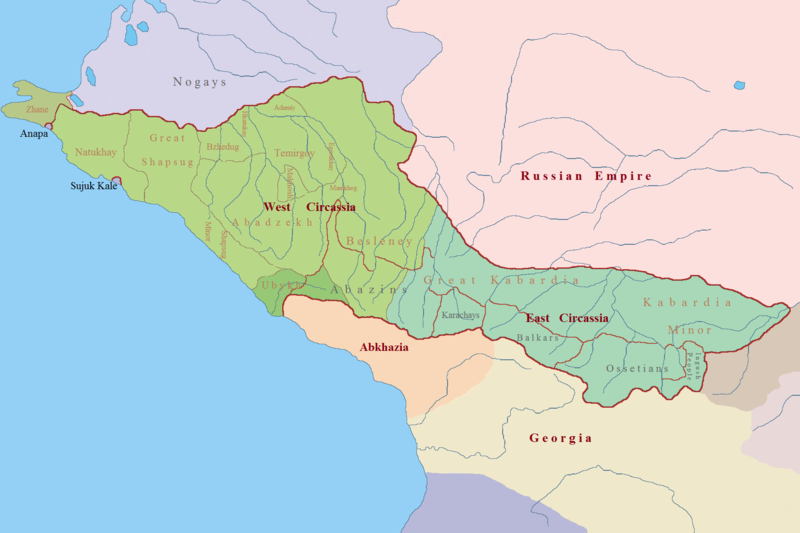
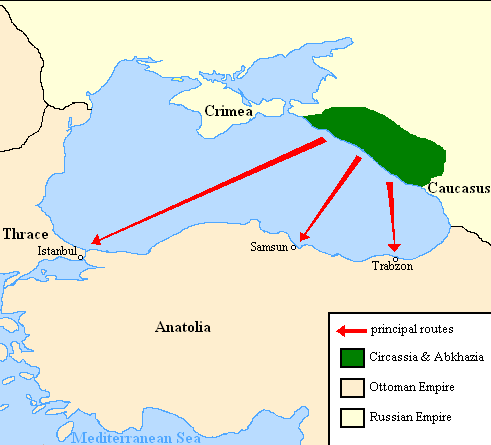
“The Circassians lived in a huge swath of plain, foothill and high mountain country in the northern Caucasus.  Most of the sites of the this month’s games are being held on formerly Circassian territory.  This is a map of their general distribution in the eighteenth century, right before Russian expansion southwards began:

Circassia_in_1750

(click)

“For more than a century they fought a brutal tooth-and-nail war against the Russians and their Cossacks.  When they finally capitulated in 1864 it was in Sochi.  The majority, which would not agree to an oath of loyalty to Russia were deported, in what was probably the first campaign of ethnic cleansing of such dimensions in modern history.  For months, the beach at Sochi was a Dunkerque-like humanitarian disaster zone, with tens of thousands of shelterless, starving and diseased Circassians waiting for Ottoman ships to take them to safety in Anatolia or the still-Turkish Balkans or dying on the spot.

Expulsion_map_of_the_Circassians_in_19th_century“It certainly represented the largest civilian death toll of any war up to its time and today, ninety percent of people of Circassian descent live outside their original homeland, mostly Turkey, but also Syria, Jordan and Lebanon.”

(To read the whole post: Ignoring Sochi.“)

And as with Native Americans in North America, as their government was massacring and expelling them, Russian poets and writers like Lermontov, Pushkin and Tolstoy were romanticizing them, sympathizing with them and entering in a love affair with all the peoples of the Caucasus that literary Russia still has not recovered from.  Someone, everywhere, at all times, has a heart and a soul — for whatever good it does.

I had assumed muhacir is constructed from the Arabic “mu = doer of something” plus the roots ‘h’ + ‘j’ + ‘j’ (?) which almost sounds more like “pilgrim” –  as in “Hajj.”  But “mu” turns out to be a passive participle marker of someone who is made to do something, in this case not as in “Hajj, pilgrimage, but  ‘h’ + ‘j’ + ‘r’ as in “Hejira?” which would mean “fleer,” as in those who fled with Muhammad to Medina from Mecca in 622.  That would make more sense than traveller, which would be the “mu-sa-fir” recognizable to any Greeks as an old-fashioned word for “guest,” except to those Neo-Greeks that are so Post-Ottoman that they’re Post-Culture-of-Any-Kind and most certainly Post-Hospitality.  The Muslims that left India after Partition in 1947 to go to the land of Islamic Purity are also known as muhajir in South Asia.  I say that the Circassians’ route was particularly circuitous because many of them were first settled by the Ottoman government in the Balkans — especially Bulgaria and Kosovo (where there’s still a tiny community), where they were used to demographically offset the Christian population and because their warrior reputation would come in handy against Christian rebellions and Russian invasions.  (Though there is one wild episode of the Greco-Turkish War where a band of Circassian çeteler [çetes] in western Anatolia actually aided the invading Greek army.  Go figure.  Any-thing is possible in our part of the world.)  Needless to say with the coming of independence for the nations of the Balkans, they were uprooted again to Anatolia and other parts of the still Ottoman Arab world.

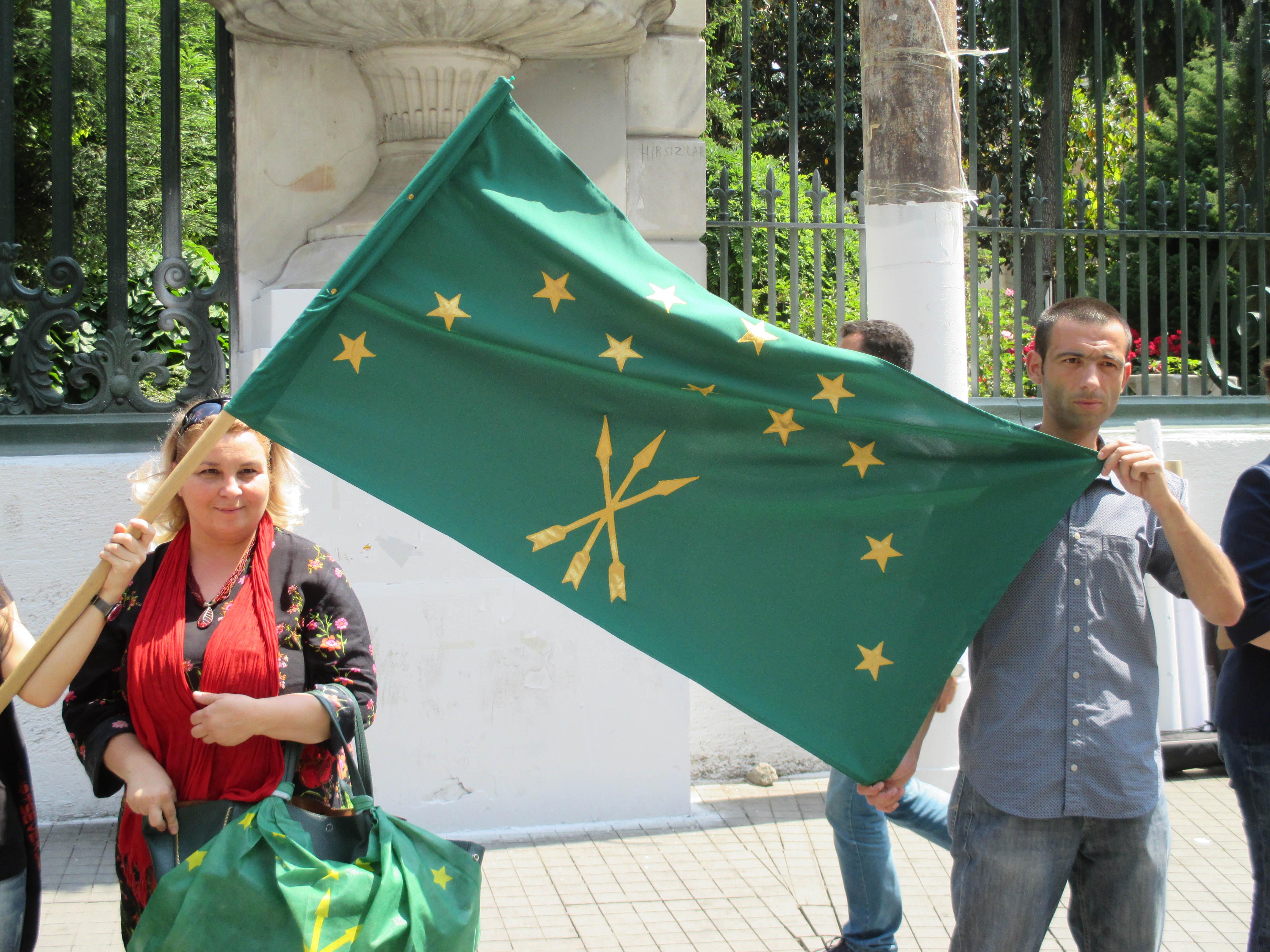
This year is the 150-year anniversary of the final, catastrophic expulsion from their Caucasian homeland and local Circassians (“Çerkes” in Turkish) have been holding demonstrations in front of the Russian Consulate down here on the Jadde (I wouldn’t even lower myself to asking for Putin’s ear) and then closer here to my place in front of Galatasarary.  (Click)

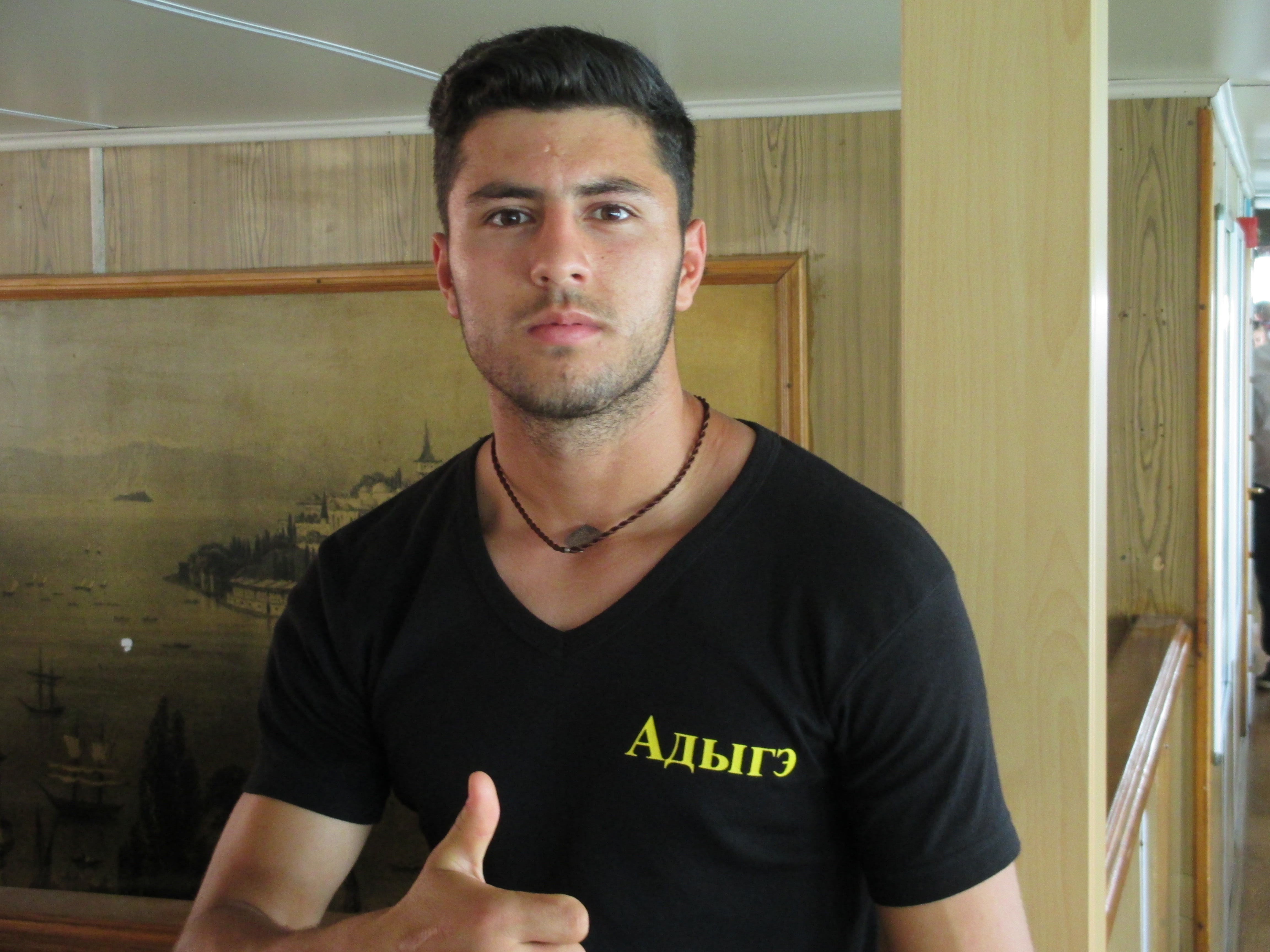
IMG_0777IMG_0775But I was kind of disappointed because I couldn’t get any really good pictures except some like these above.  Then I get on the ferry from Beşiktaş to go to Kadiköy with my cousin, Vangeli, to feed him at the spectacular Çiya restaurant there and visit Beylerbeyi, my favorite Ottoman palace, and by blogger-photographer’s luck right across from me is sitting this handsome Circassian kid from central casting (click):

IMG_0780 He was surprised I knew that his t-shirt said “Адыгэ” – “Adyghe,” which is what Circasians call themselves, written in the Cyrillic script they now use.  I asked him if he spoke the language and he said no, but some other Circassians I found the next day in Pera said that due to a concerted effort on the Turkey-wide community’s part — language classes, theater workshops, radio programs — more Circassians in Turkey of this kid’s age speak more of at least a little bit of the language than their parents do and that interest is increasing.  Insha’allah.  Cool.  So if you don’t respect these people for their legendary beauty, their ferocious warrior rep, the fact that they managed to stave off the forces of Imperial Russia for two centuries, that as the Mamluk military elite they effectively ran Egypt for five-hundred years till Mehmet Ali the Albanian massacred them in a totally, shitty, un-Albanian, pabesiko (“pa” = no + BESA), dishonorable, ambush — see  (“BESA: A Code of Honour,“) — then just admire them for sticking together as a cohesive and living identity after being scattered across the world for a century and a half now.

The suffering of Circassians and all the other Muslim peoples of the Caucasus are laid out in a bit of an uneven but heartfelt and informative book by Oliver Bullough called Let Our Fame Be Great: Journeys Among the Defiant People of the Caucasus — here’s his website too (check out some interesting pics): Oliver Bullough: Let Our Fame Be Great.

lofbg-usa-cover-300wUnfortunately, I don’t know if there’s a Turkish translation (or Arabic: Jordan, where Circassians still make up the King’s Royal Guard, Syria and, some extent Israel, is where most Circassians outside of Turkey now live) for young Circassians today to read.

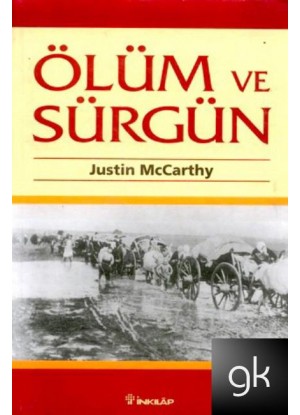
Another book that I do know there’s a Turkish translation of, and is probably the only monograph to deal with the step by step expulsion and ethnic cleansing of Ottoman Muslims through the nineteenth and and early twentieth centuries, but tracing roots of the process back to even the century before is Justin McCarthy’s Death and Exile: The Ethnic Cleansing of Ottoman Muslims, 1821-1922Not polemic, not propagandistic, just the facts and figures that speak for themselves.  It should be required reading for every Christian in the former Ottoman sphere.  It’s not exclusively about the Circassian tragedy but there is, as you can imagine, a great deal of material on their experiences.

51qnwpuNCVL._SY344_BO1,204,203,200_Turkish-speaking Circassians should definitely check this book out that’s available everywhere in İstanbul; they’ll learn a lot.  I really hope they get a chance to.  Share this post with friends if you found it interesting.  Feel free to write me with any comments.  And keep the memory alive!.  NB

55696-olum-ve-surgun-death-and-exile-justin-mccarthy

Comment: nikobakos@gmail.com

Hindu fundamentalism — you’d think it’d be an oxymoron: “India’s Opposition Leader Sweeps Into Power”

16 May

The news from everywhere just keeps getting worse — more fundamentalists, reactionaries and racist crazies to deal with.

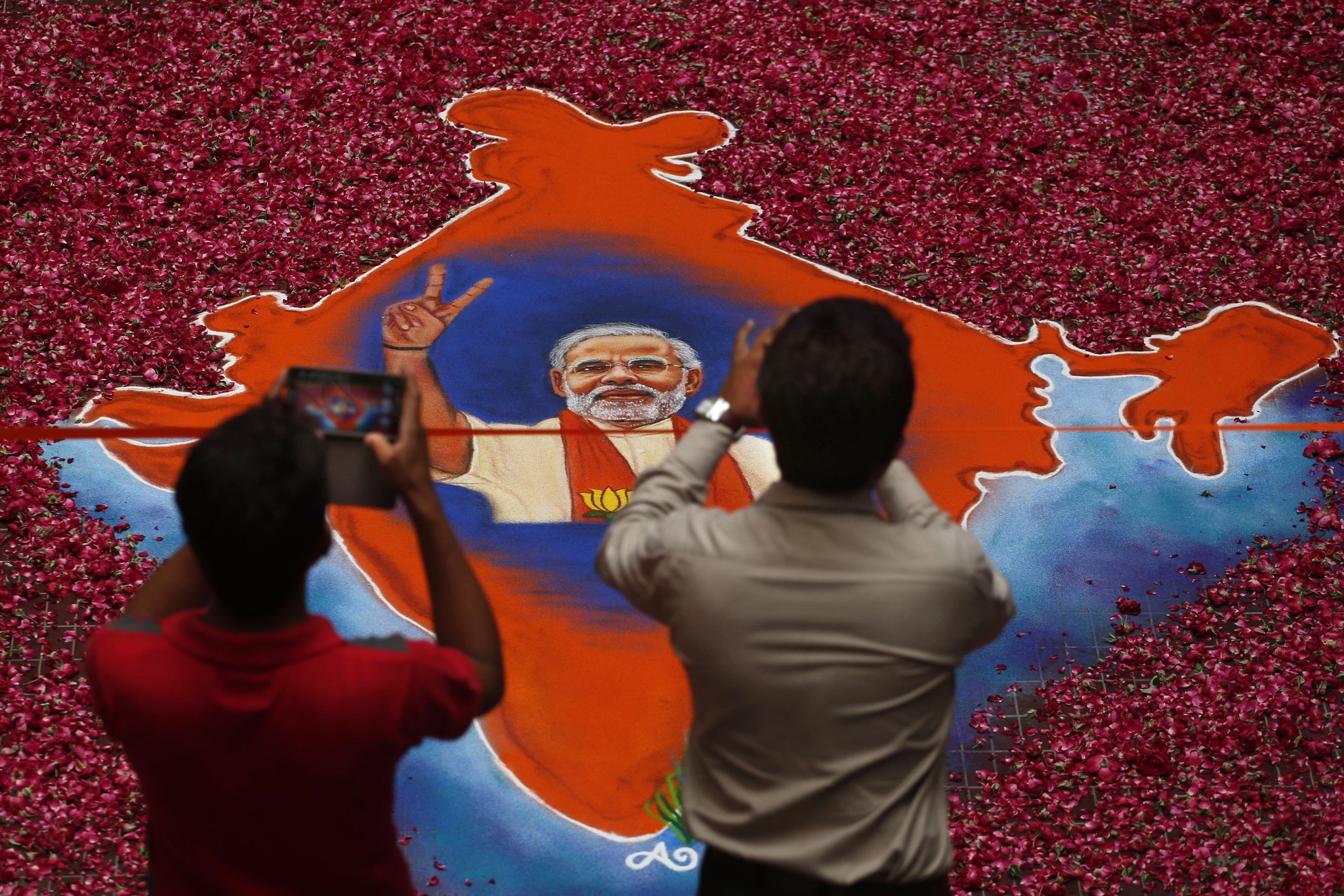
INDIA_ss-slide-2QNG-superJumboPeople took photographs of a map of India with a portrait of Narendra Modi on Friday in Gandhinagar, in the western Indian state of Gujarat. Saurabh Das/Associated Press (click)

From The New York Times:

“Narendra Modi Prevails in Election”

“The elections came during a period of rapid transition in Indian society, as urbanization and economic growth break down generations-old voting patterns. With his conservative ideology and steely style of leadership, Mr. Modi, who came from a humble background and rose through the ranks of a Hindu nationalist group, will prove a stark departure from his predecessors in that office….

“But his reputation also worries many people. He is blamed by many of India’s Muslims for failing to stop bloody religious riots that raged through his home state in 2002, leaving more than 1,000 people dead. Others fear he will try to quash dissent and centralize authority in a capital that has long been dominated by the Indian National Congress and the liberal internationalists who support it.”

“Some Muslims React Warily to Hindu Party’s Victory in India”

NEW DELHI —

“Like real estate agents the world over, Rahul Rewal asks his clients if they have children or pets, since both limit options. But there is another crucial but often unspoken question: Are they Muslim?”

“I tailor the list of places that I show Muslims because many landlords, even in upper-class neighborhoods, will not rent to them,” Mr. Rewal said. “Most don’t even bother hiding their bigotry.”

“Discrimination against Muslims in India is so rampant that many barely muster outrage when telling of the withdrawn apartment offers, job rejections and turned-down loans that are part of living in India for them. As a group, Muslims have fallen badly behind Hindus in recent decades in education, employment and economic status, with persistent discrimination by a Hindu majority a key reason why. Muslims are more likely to live in villages without schools or medical facilities and less likely to qualify for bank loans.

“Now, in the wake of a landslide electoral triumph Friday by India’s Bharatiya Janata Party, a Hindu nationalist party, some Muslims here said they are worried that their place in India could become even more tenuous…”

“But that is exactly why Mr. Modi is such a poor choice as prime minister, said Siddharth Varadarajan, the former editor of The Hindu, a leading Indian newspaper. Many among India’s liberal intelligentsia see Mr. Modi as a threat to India’s secularism, which is enshrined in its Constitution. It is a defining characteristic that distinguishes India from Pakistan and binds a nation of extraordinary diversity.

“Many of the things that are evil about India are not going to find their solution with Mr. Modi,” Mr. Varadarajan said. “If anything, they’ll get worse.'”

Comment: nikobakos@gmail.com

Besa: A Reader Responds…

14 Apr

Besa: A Code of Honor  (November 20th)

“Niko I have long wanted to leave a comment about this post. I believe that what the Albanaians did for the Jews in sheltering them from the Nazis was courageous, noble and just. And besa is at its roots a tribal, and to a lesser extent, islamic code of honor. You mention Afghanistan-there is in Pashtunistan what is known as the Pashtun code Pakhtunwali which also purports to protect an accepted guest. Pakhtunwali is also tribal and islamic. Was it not this same code that protected Osama Bin Laden after his escape from Tora Bora? Is that same code rightly honored in one instance and rightly deplorable in another? Just a thought…”

NB: It is the same code Rafa.  No, I personally, at least, do not think it’s deplorable in one case and not the other. Honor is absolute, absolute by definition.  For me, the word itself means”no-exceptions”; otherwise it’s not honor. Whether we like its consequences or nor or whether it gets “honored” more in the breach or not is another question.  Those Pashtuns didn’t have a choice.  And you know who to talk to that’s most likely to agree: the American servicemen that were up there.

Prokletije163571

The Проклетије (Prokletije) or Accursed Mountains, that separate — or more likely unite — northern Albania, Montenegro and Serbia.  (Click, for sure; it’s a huge file and it’s gorgeous)

Comment: nikobakos@gmail.com

Shubh Diwali

13 Nov

Eid al-Adha

26 Oct

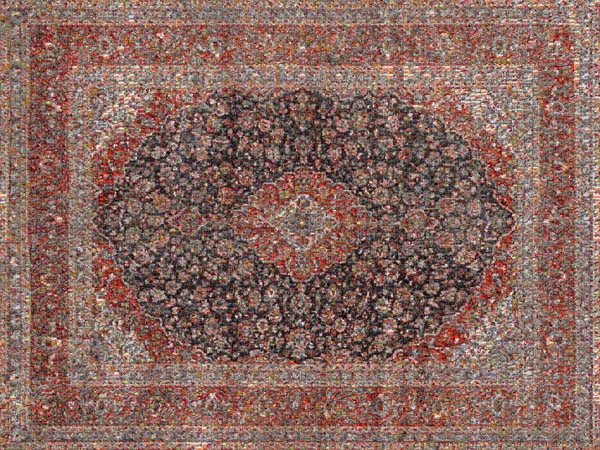
The above “carpet,” by Pakistani artist Rashid Rana, is made up of thousands…tens of thousand? hundreds?…of photographs taken of animals being slaughtered* in homes, streets and slaughterhouses all over Karachi.  To be honest, I don’t know if all these photos were taken on Eid al-Adha or just over a period of time, but it seemed appropriate to the day.  Eid al-Adha, known as Kurban Bayrami in Turkey and in the Balkans, Eid e Qorban in the Iranian world, commemorates the willingness of Ibrahim (Abraham) to sacrifice his son (Ismail, right? not Isaac…) according to God’s will.  It also marks the end of the Hajj.  Anyone who can afford to,  sacrifices an animal and distributes part of the meat to neighbors, relatives and the poor.  I think for many Muslims it’s the major holiday of the year.  It’s always struck me as a feast that had some of the mixed solemnity-joy of Easter (aside from just the obvious element of the sacrifice of the Son), as opposed to the candied, Christmasy festivesness of Eid al Fitr.

(Kurban, which I assume is an Arabic word, is the source of the beautiful Farsi expression “Qorban-e-to” “your sacrifice” — meaning “you’re welcome” or “at your service” or “my pleasure” — I’m all yours; do with me as you wish…here’s my throat…)

Below is a detail of Rana’s piece:

I wish there were a more close-up shot of it available somewhere.  It was beautiful.

It was shown here in 2010 at the Asia Society as part of an exhibit of contemporary Pakistani artists called Hanging Fire: Contemporary Art from Pakistan, which was really fascinating (starting with the title).

Some of my other favorite pieces at this exhibit was the work of Imran Qureishi, who does Mughal-style, Shah Jahan period-type portraits (one of my great aesthetic weaknesses) with figures from contemporary Pakistani reality:

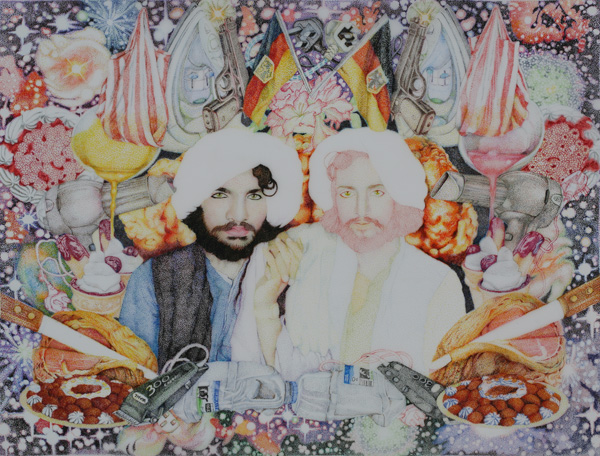
But perhaps the most interesting pieces for me were from Faiza Butt, an artist born in Lahore but now working in London.  Her discussion of her work should be checked out:

“My choice of medium was a reactionary response to my years as a student at the Slade School of Art, where large, physical, muscular and “technologically advanced” work held more worth than contemplative intellectual responses. [my emphasis]  I started to create ambitious, highly detailed drawings with ink pens that rival “spectacles” of work and focus on art historical and gender issues.”

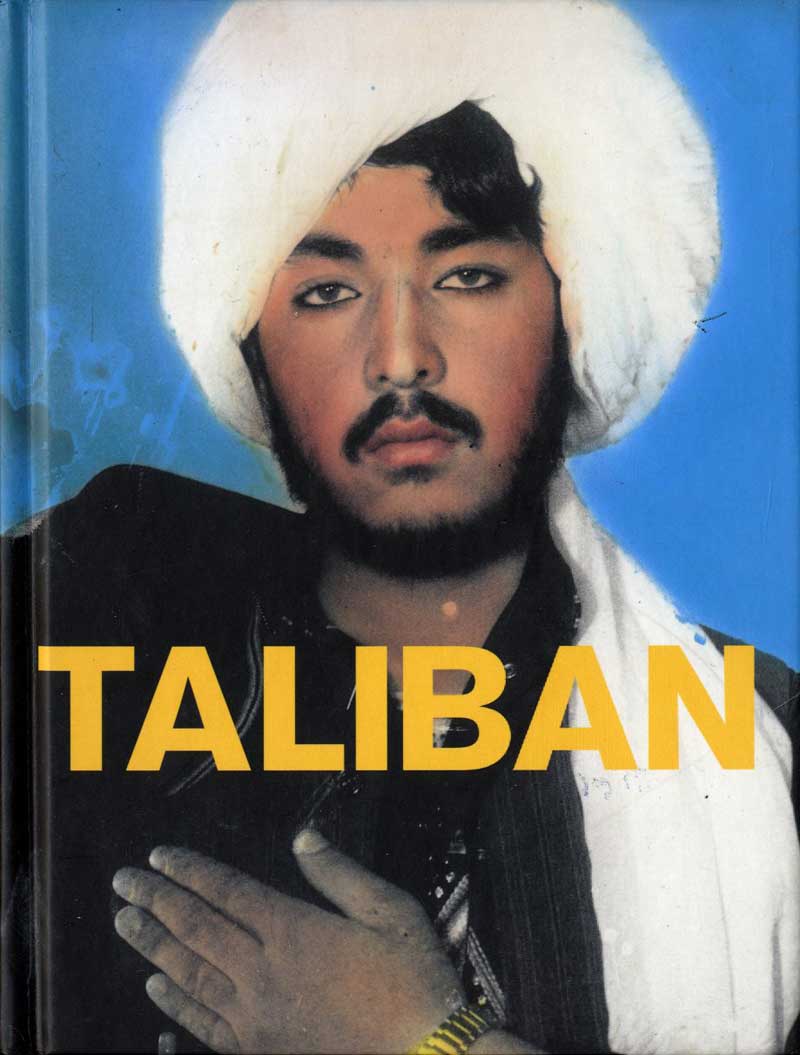
At the the exhibit were displayed two collage pieces she did out of the famous Taliban photos discovered by German photographer Thomas Dworzak in photo studios in Kandahar in 2001.  The photographers were happy to give them to him; ‘most of them are dead” one said.  Butt called the pieces she made out of these photos: “Get out of my dreams – I and II”:

I still can’t figure out what she means.  “Get out”?  “Dreams”?  I think there are stunning ideas behind these pieces and not the least stunning was the title.  Is the strange eroticism of these men, with their khol-lined eyes out of a Perso-Indian opium dream, what draws and compels her?  Or are they just Taliban monsters, whom she wants not out of her dreams, but out of her nightmares?  I had seen the photographs before of course — American journalist Titan Jon Lee Anderson has compiled them into a beautiful edition (below) with an intro by Dworzak, after they first appeared in The New Yorker — but thanks to Butt, they got into my head in a new, strange and beautiful way.

A wildly divergent tangent from Eid al-Adha, eh?  Or maybe not.  Good feast to all.

Also the feast of St. Demetrius today, by the way, Dmitriy Solunskiy — my patron.


Comment: nikobakos@gmail.com


*Sorry for the PETA girls — “slaughter” here has absolutely no moral or ethical connotations for me; it’s just how you kill animals.  When applied to human beings, of course, it has a different meaning, though I know they’re both on the same ethical plane for you.

Eid on Steinway Street, Astoria, 1433 (2012)

22 Aug

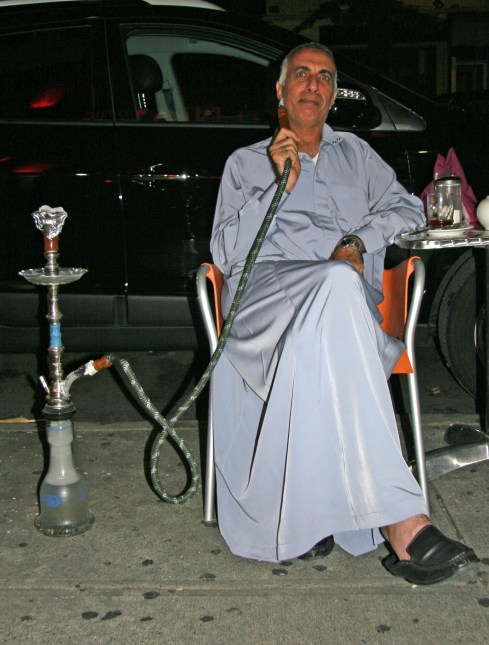
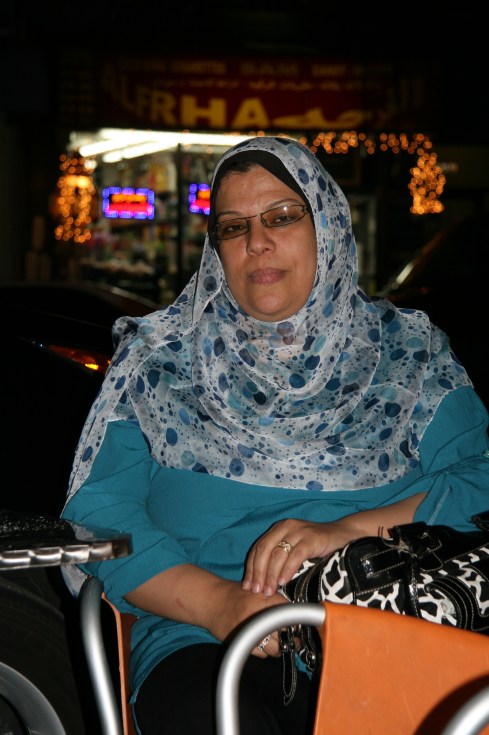
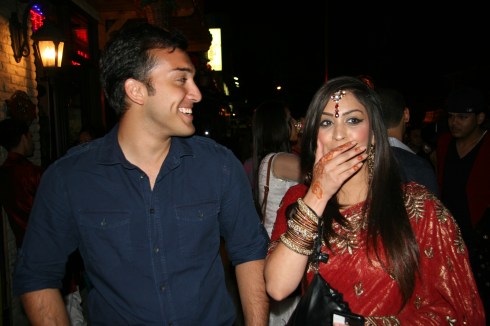
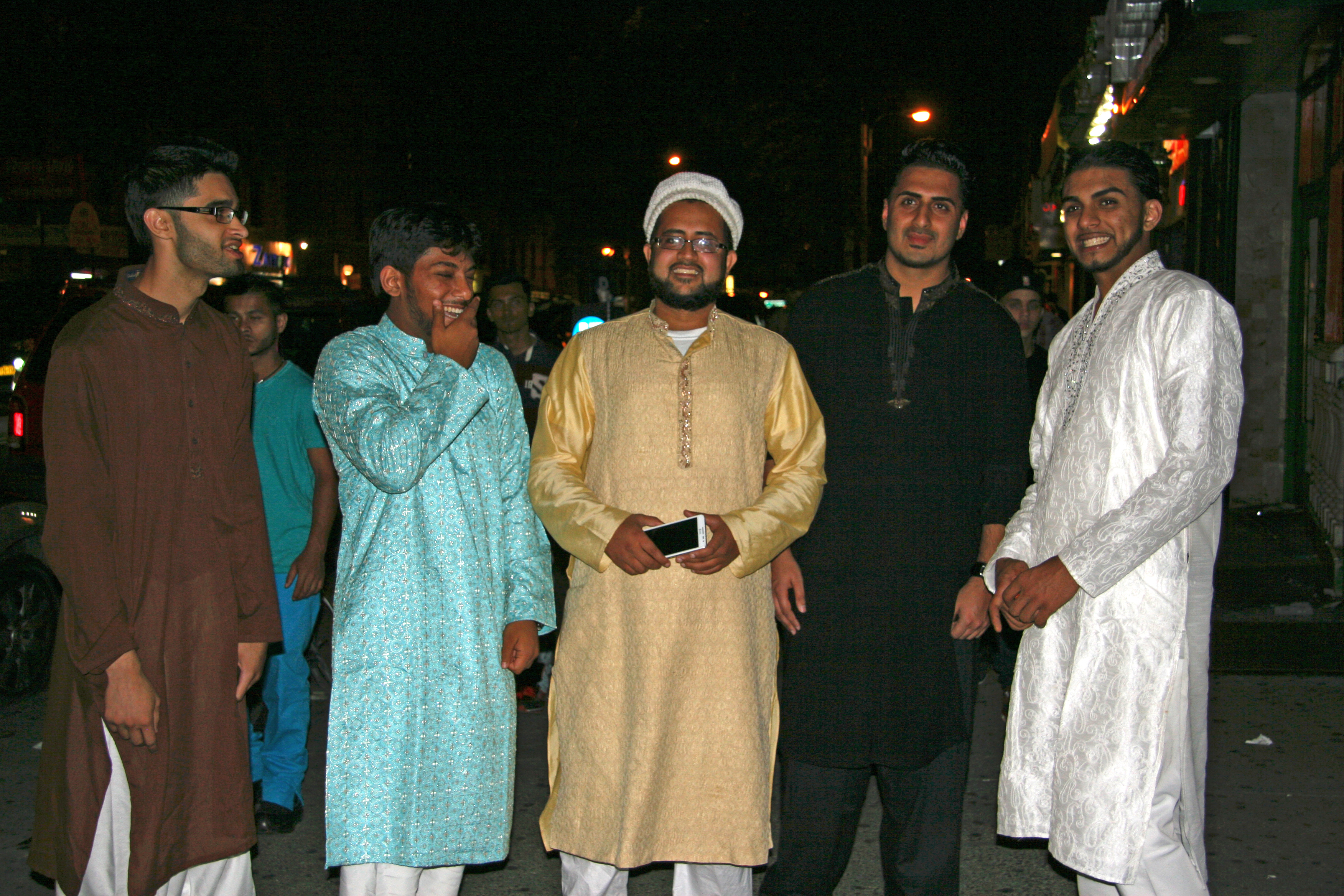
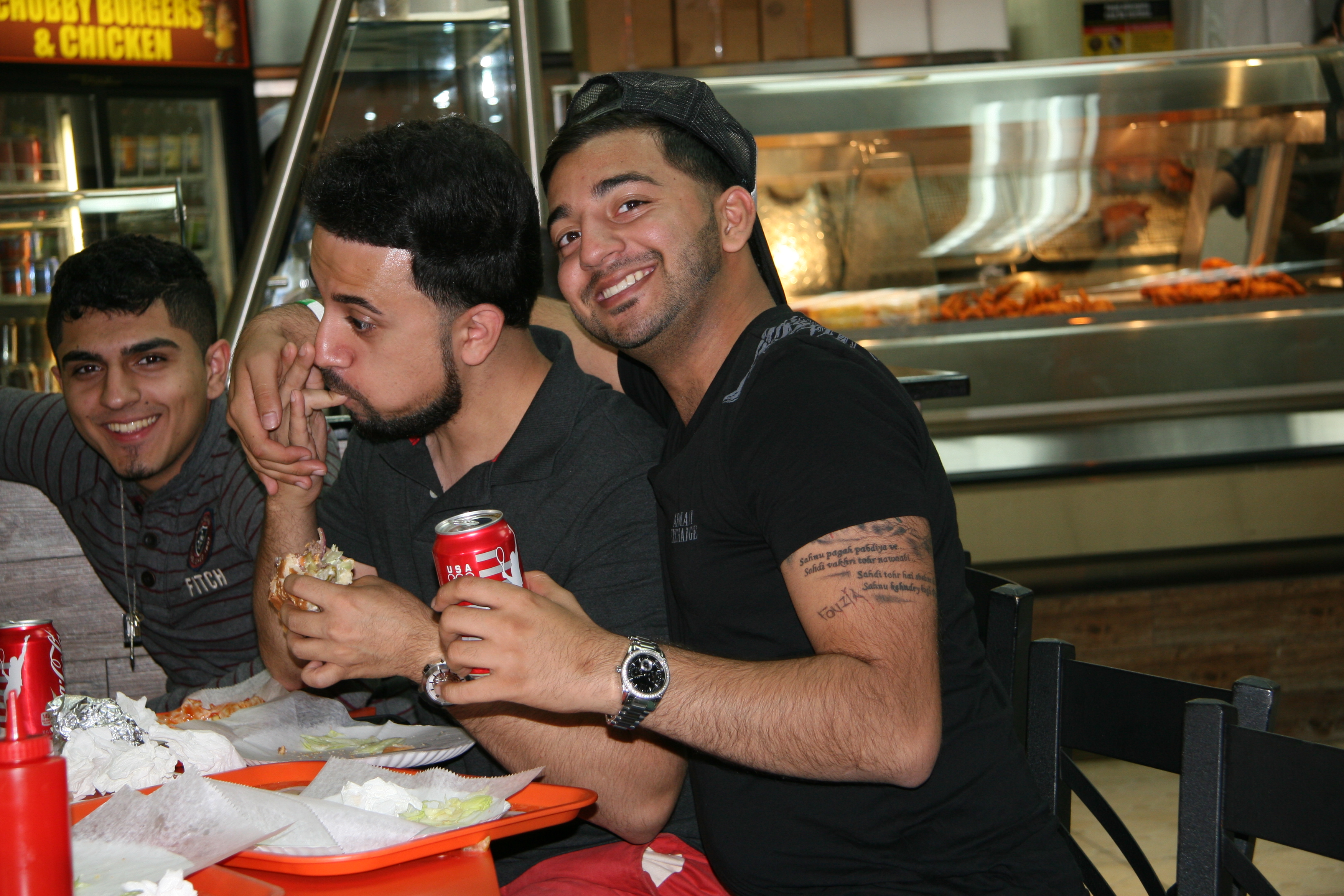
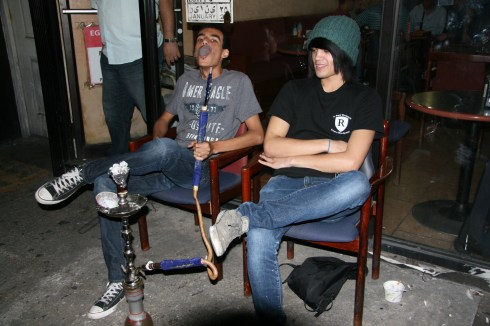
The few blocks of Steinway Street just south of the Grand Central in Astoria have become the center drag for Queens’ Egygptian and other Arab community in the past two decades or so.  Steinway is lined, literally one next to the other, with narghile (hooka, shishsa) shops, clubs, pastry shops and coffeehouses, largely Egyptian-owned, some Lebanese, some Yemeni.  What I hadn’t realized till a couple of years ago is that those blocks of Steinway Street were a major hang out for South Asian kids from around the neighbourhood and from all over Queens.  At least the first night of Eid.  I asked more than a few of these kids why they didn’t go to Jackson Height, the densest and most varied of Queens’ South Asian neighborhoods, on a night like this, and all of them said: “There’s nothing there at night!”  It really got me thinking about why this sort of cafe culture would exist in the Muslim world’s Mediterranean countries and not in South Asia.  There’s the tea-house in Central Asia, but there seems to be nothing in lowland Pakistan, India or Bangladesh that’s comparable.  Or is there and I don’t know about it?  Any ideas?

In any event on Eid (as soon they as they can escape their families?) these kids swamp and totally overwhelm Steinway with color and beauty.  It’s really an amazing sight.

(Click — and for textile, ornament and beautiful face detailsdouble-click on ALL photos; they’re big files.)

The gorgeous silk kurta, the traditional sequinned (double-click) shoes and the jeans in between (above).  Can anybody tell me what the beautiful article of clothing his friend is wearing is called?

Hennaed hands.
Only one of these guys was unsuccessful in suppressing the giggles.
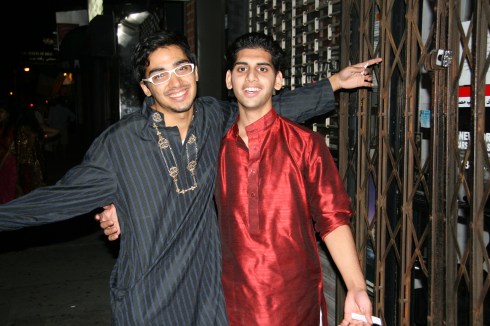
My funky glasses and my yaar: “Eid Mubarak!”

And a beautiful friend and guest of the above two.  It’s New York, right?  They musta had a piss taking her shopping.

And some Egyptians…   The best Adana-like kebab in the city (above), what’s called lyulya kebab in Russia and Central Asia.  I don’t know what Arabs call it.  Too bad for the plastic, germophobic gloves; I can guarantee you, from experience, that an evening’s accumulation of grease and sweat off his palms makes it taste so much better.

And (below) an Egyptian couple who now happily have nothing more to say to each other.  Is there a way to fast-forward a marriage to that point?

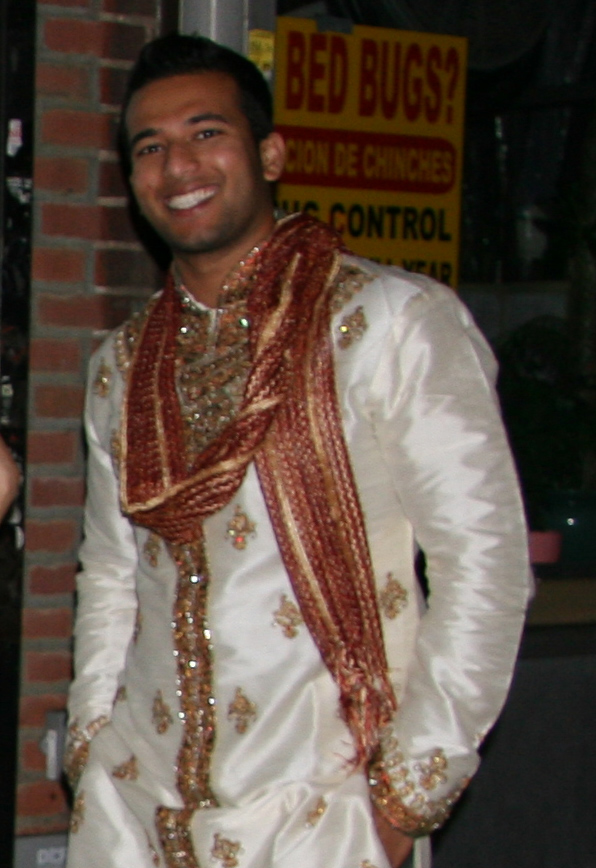
The photo below turned out to be badly focussed– very unfortunately — because this guy was easily the king of the Steinway St. runway that night in a white satin, red-and-gold sequinned sherwani and red, gold-threaded dupatta.  I said to him: “That’s what you wear for Eid, buddy?  What are you gonna wear for your wedding?”  He smiled and said: “I’m married…”

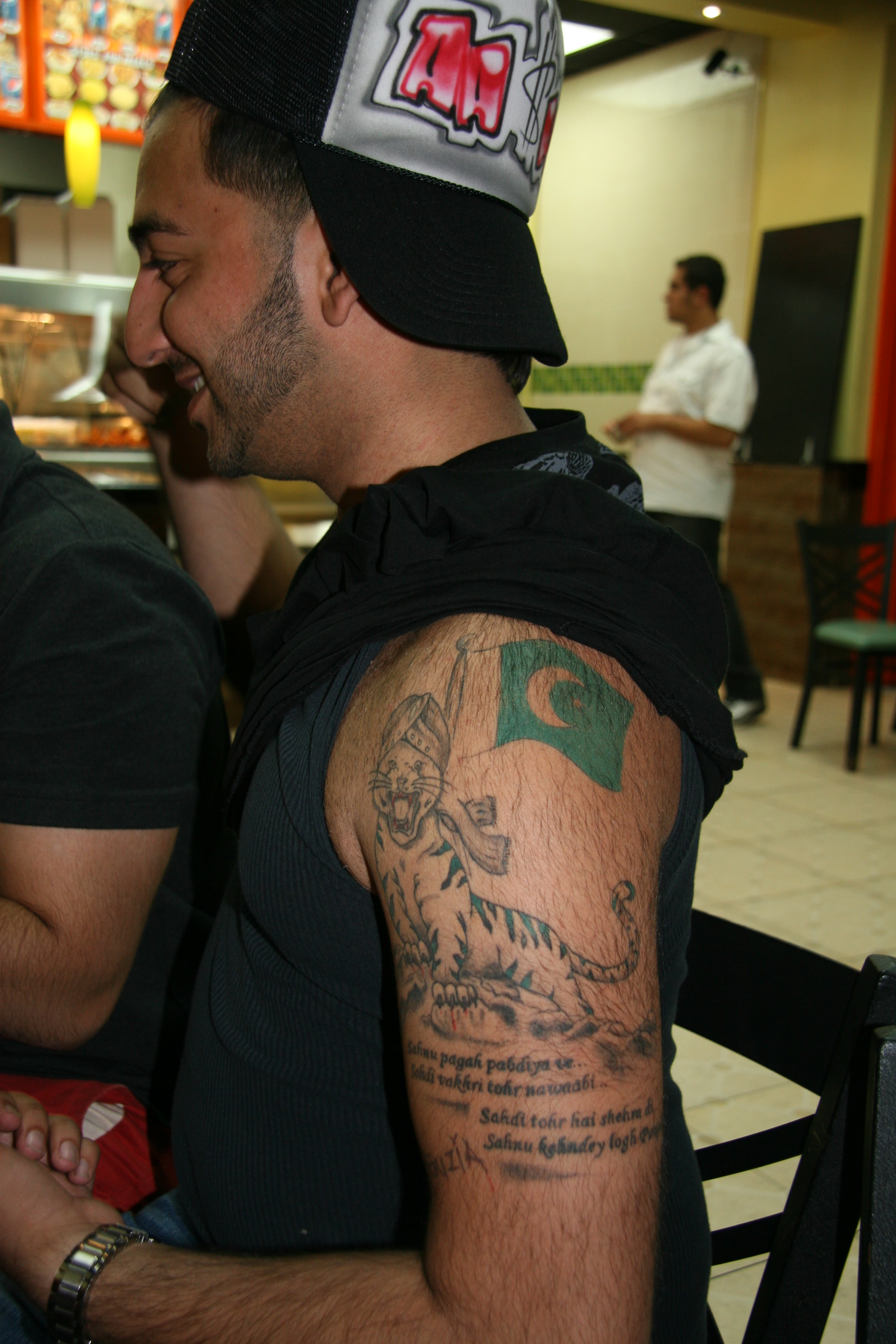
Then there’s these guys below, who are cool enough to just show up in their tats.
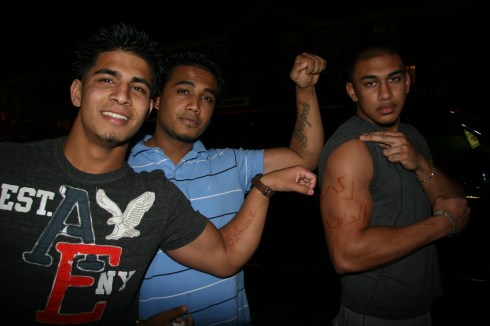
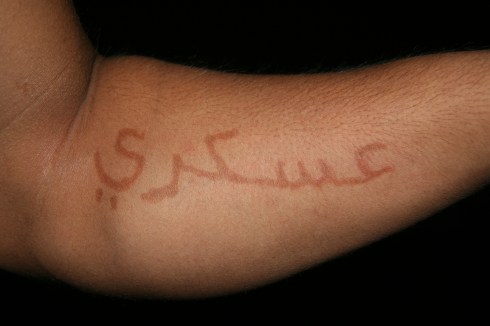
“Askeri” — soldier

And a more hardcore tattoo below (though, actually, just “askeri” is probably more Spartanly hardcore).  It had something in transliterated Urdu or Punjabi underneath the lion but things were too frantic for me to get it down.

And scarfing with his friends.
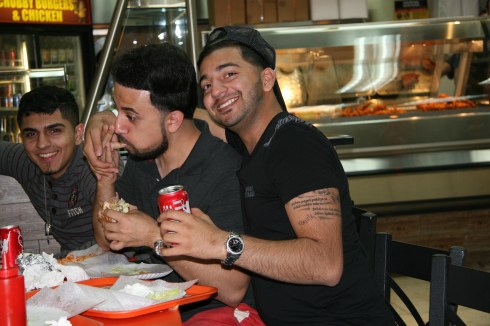
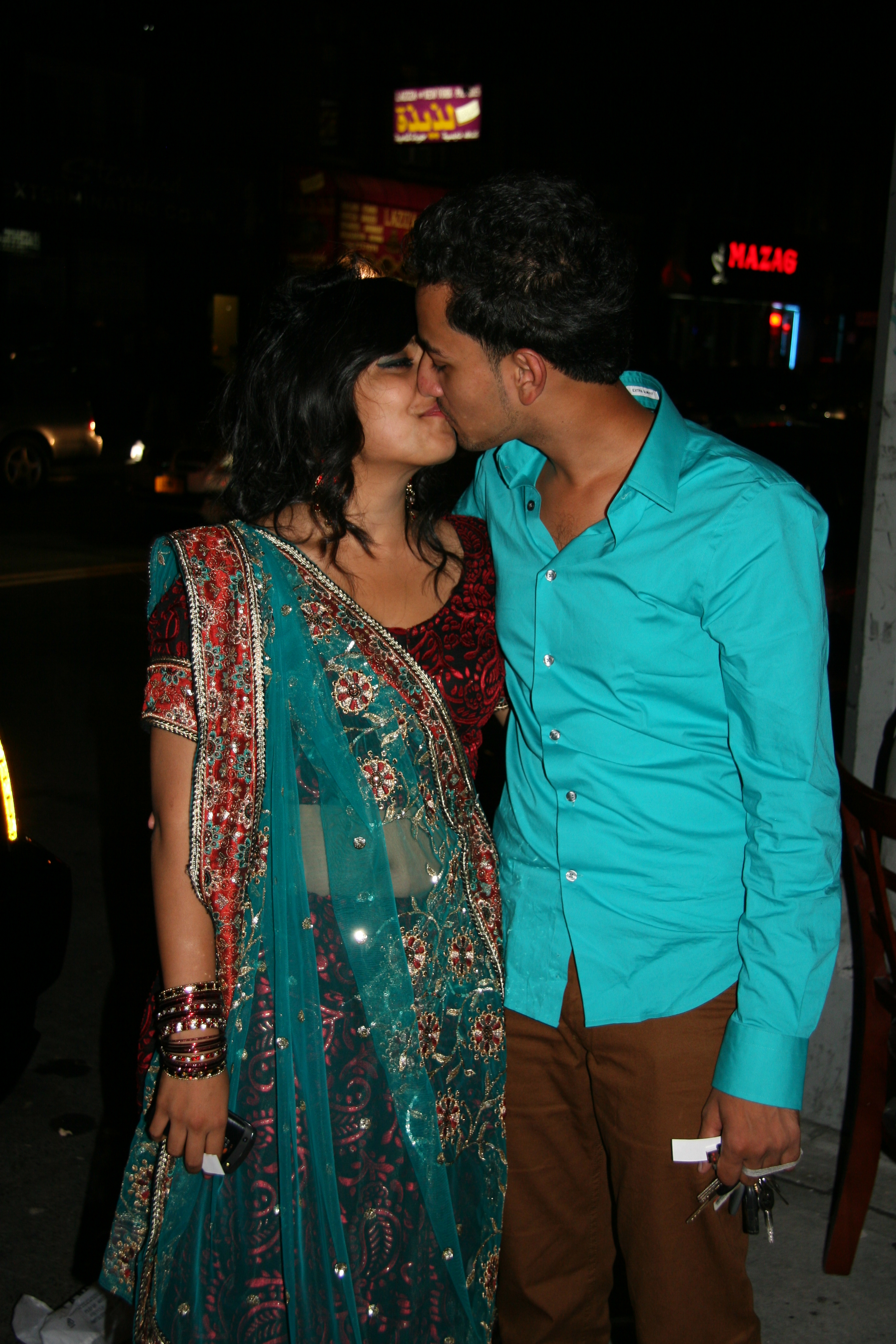
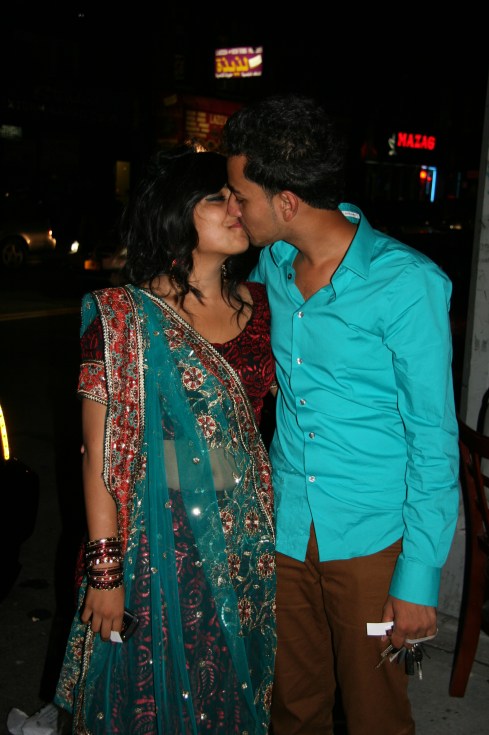
Below, a real knock-out.  Full holiday dress-kit for Bangladeshi women usually means a sari and not fancy salwar-kameez like for Indo-Pako-Muslim or Sikh women.  But you can’t really draw hard lines like that ’cause you never know; it’s India and this is New York.  (“India” is meant here historically, as the whole subcontinent guys, ok?  Don’t bow up on me please.)

A kiss away from the folks.
Down Steinway.
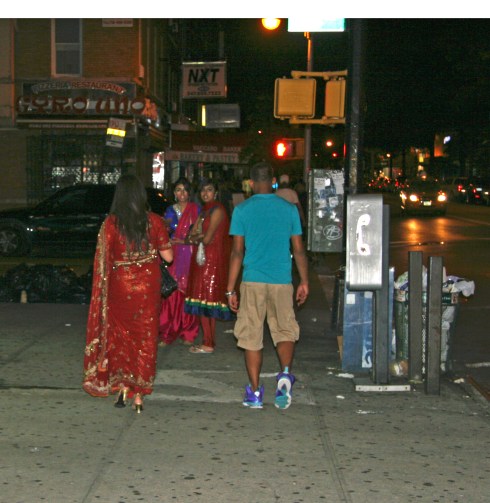
One particularly heartening part of going out on this shoot…

Muslims in America have been the object of illegal surveillance and harassment, infiltration of their communities, unfair detention, vandalism and just plain annoying and irritating disrespect and meddling for a long time now.  I’ve been on the secondary receiving end of the anger and suspicion that’s all caused — though hardly a victim of it — under a variety of circumstances, some unpleasant, some funny.

Now, for a variety of physical, age, accent and attitude reasons I guess I could pass for a New York cop.  I also wear my cross on an employee i.d., dogtag-type chain and that probably doesn’t help.  Nobody in Afghanistan, expat or Afghan, believed I wasn’t a contractor without lengthy explanation and convincing on my part and that’s really not a perception you want to be the object of when in Afghanistan.  When I came back, the passport guy at JFK saw my Afghan visa and said: “Contractor?” and I said “NO! ENGLISH TEACHER!”  I was once thrown out of a mosque in Elmhurst (off-prayer time) by the custodian and his broom, one of those old Peshawari guys with the orange beards, yelling: “Go out! Go out!”  And an exchange with two Afghan butchers who I had gone to for my lamb one Easter because I was having halal-observant friends over was completely friendly and animated till I started throwing around some of my recently learned Farsi.  That was followed by a complete silence through which they kept busily hacking away without even looking at me.  And when two Pashtun guys with meat cleavers make it clear they don’t want to talk to you, it’s best to shut up.  They didn’t even speak the price to me at the end; just physically showed me the receipt.  I payed, took my animal and slunk out.

But I only put two and two together when I went into another halal butcher in Jackson Heights to get some chickens for something I was going to make for a party we were having with my students, many of them also halal-observant.  I walked in; said “Salaam,” even did my little “adab” forehead gesture and everybody just stared at me.  Then a very energetic, smiling young Pakistani guy came out of the back and with arms wide-open says: “Officer, what I can give you?!”  After a “what-do-I-say” second, I told him what I needed.  “Ok, officer!”  He started skinning and chopping at the chickens.  “So, barbecue time, officer?”  It was right before Memorial Day.  I said, “No, I’m actually gonna make a korma with that chicken; that’s why I’m asking you to take the skin off…”  “Wow, nice.”  Silence.  “You know, I’m not a cop.”  “Ok, officer, no problem,” smilingly.  “I have students who only eat halal meat, we’re having a party….” I continue trying to explain.  “Ohhhhh, that’s very nice, officer, you’re good guy.”  “And I’m learning Farsi because…”  Then I just gave up; put my arm up on the counter, leaning up against the glass, just watching him — him with the chickens, as he kept grinning and occasionally mumbling to himself: “Ok, officer…yeaaaaaaaa, chicken….no problem, officer…ok, officer…”  He was getting to the last of the chickens and he looked up at me and we stared at one another for a moment, full eye contact, like three feet away from each other…and we both fell into a giggling fit.

I never did figure out whether he believed me, didn’t believe me, was pulling my leg and shittin’ with me the whole time — I don’t know.  They all replied “Khuda Hafez” to mine as I left.  I did my little forehead gesture.  The older men returned it.  Who knows.  I don’t know.  Once on the street I thought to myself: “Can they really think that any American ‘inteligence’ organization — FBI, NYPD — can be that stupid that they think they’re going to teach a big white guy some half-assed words of Farsi-Urdu, and send him in to….” and then said, yeah, they have every reason to think they can be “that stupid” because they probably are.

Back to Steinway Street.  The night we went on this shoot I was doing my introductory spiel to every group of kids we would walk up to: “These are just for a blog I write…I’ll take them down if you don’t like them..” and, to several more hesitant looking groups of guys: “…I’m not a cop or anything,” to which they replied, to the man, and in stereo: “I wouldn’t give a shit if you were.”

Aferin!  That’s the spirit, brothers.  Stay strong and keep it up.

Thanks to all of you guys for your smiling, cooperative, welcoming participation in this little project.  I can’t express my appreciation enough.  All the best to you, your friends and your families.

And for the rest of us, trapped in the aesthetics of nineteenth-century, false bourgeois humility and, now, its descendant, the fake hipness of charcoal and black, PLEASE keep wearing those clothes, and be enormously proud of them.

Many, many thanks to Johana Ramirez, who took the photos and accompanied me on this adventure.

Again, if you want any of these taken down, you know where to find me.  Any of those who didn’t make it, sorry; it was only a matter of space.  I’m putting up a Flickr page as soon as I can where all the photos taken that night will be posted, so you’ll be able to find them there.

And again, thank you.  Peace.

Nick Bakos
Comment: nikobakos@gmail.com

Eid Mubarak, Iyi Bayramlar, Bajram Baracula

19 Aug

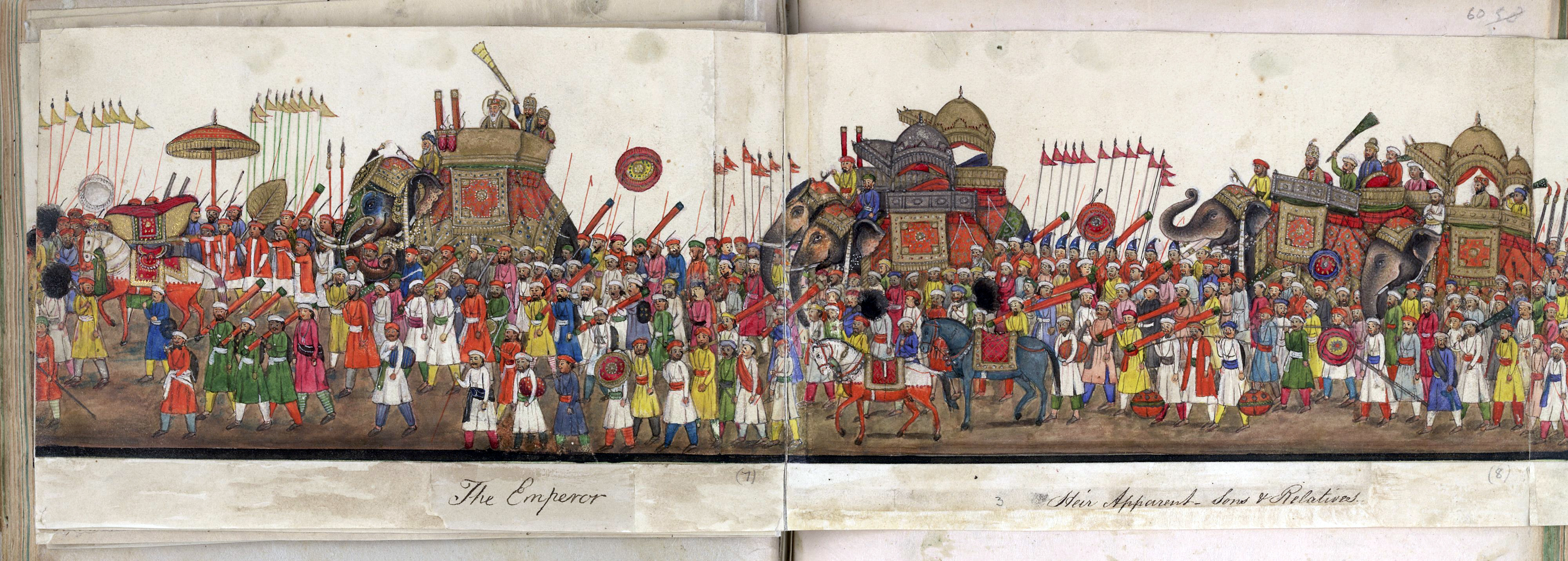
Bahadur Shah Zafar, last of the Mughal Emperors (see “Destruction of Delhi’) in Eid procession, 1843 (please click)
Today is the first day of Eid al Fitr, (usually called Bayram in Turkey and the Balkans) the three-day feast that marks the end of Ramazan.

Below is a photo of Bayram Namazi in the Blue or Sultan Ahmet mosque in Istanbul (thanks to Aykut for that; I couldn’t tell which mosque was) the morning prayer which is the official beginning of the holiday. (click)

And an impressive video of Eid Namaz at the Jama Masjid in Delhi, which we almost lost.  See the Destruction of Delhi series from Dalrymple’s The Last Mughal here, here and here.

In Bosnia (click)
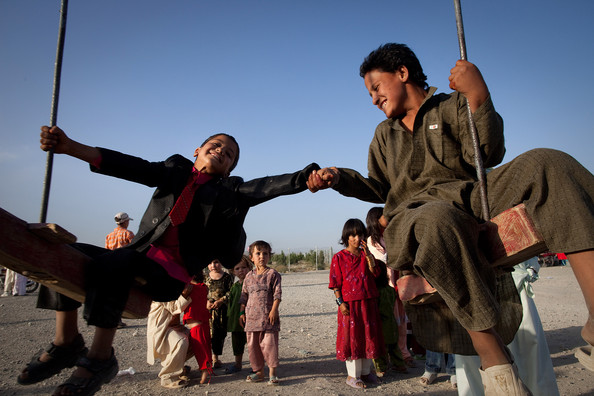
In Afghanistan

In Syria

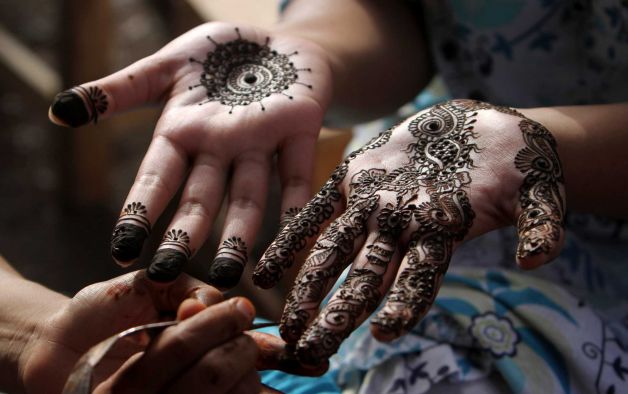
In Pakistan, where women have their hands henna-ed for the celebration (I’m assuming Indian Muslims too?)
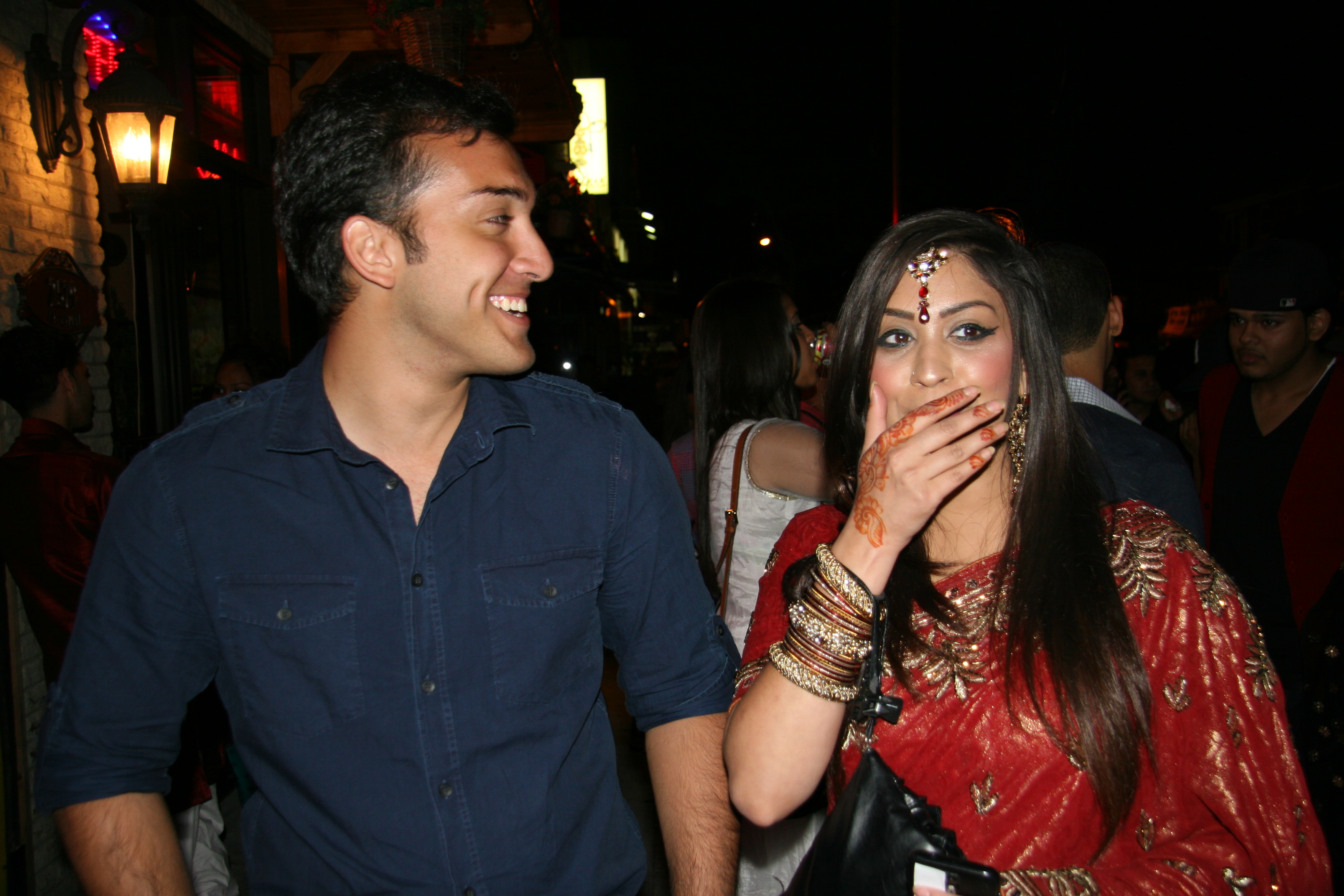
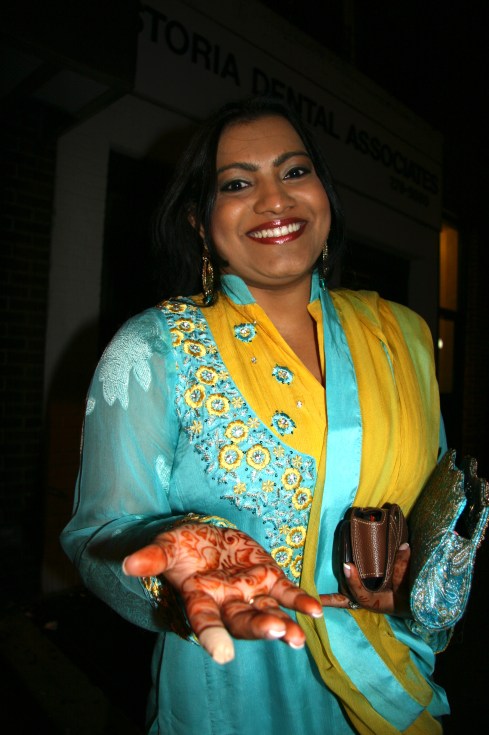
In New York


Comment: nikobakos@gmail.com