Balkans, Anatolia, Caucasus, Levant and other Middle East, Iran, Afghanistan, South Asia, occasional forays into southern Italy, Spain or eastern Europe, minorities, the nation-state and nationalism — and whatever other quirks or obsessions lurk inside my head.
I bought it a thousand years ago in Toulouse — you have to believe me. It survived the drips and crumbs of countless French dinners, successfully cammoed wine stains for years, held up to Russian washing machines, the Attic sun and the hard water of Athens. And I really like it. And now I can’t wear it because of the fucking Proud Boys fachos.
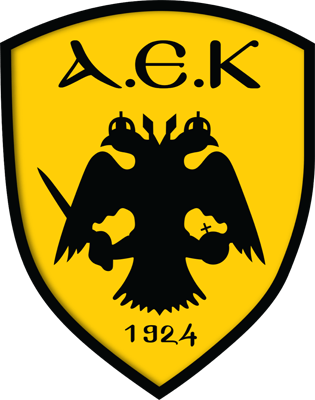
I also loved it because black and yellow are, by complete coincidence, the colors of my favorite Greek soccer team AEK. That doesn’t mean I know anything about Greek soccer or care. But when asked or when I get thumbs-upped on the street when I wear it, it’s for AEK, because the acronym stands for the Athletic Union of Constantinople, which was founded in Athens in 1924 by Greeks from Istanbul, and is the institutional descendant of theTatavla (a.k.a. Kurtuluş) Sports Club:
Kurtuluş S.K. was founded in 1896 under the name Hercules (Greek: Ηρακλής, Turkish: İraklis Jimnastik Kulübü) by local Greeks in 1896. It was the first club in Istanbul exclusively dedicated to sports activities. Later in 1934 it was forced to change its name to Turkish, Kurtuluş.
It was one of the major Greek sports clubs in Istanbul, while from 1910 to 1922 it was one of the clubs that undertook the organization of the Pan-Constantinopolitan games (Games organized among the Greek clubs of the city).
In 1906 two athletes of the club, the brothers Georgios and Nikolaos Alimbrandis won gold medals in the Intercalated Olympic Games in Athens, in horizontal bar and rope climbing respectively.
During the 1930s, the club intensified the efforts in the field of sports with the foundation of basketball, volleyball, cycling, athletics and other sports departments. Competent athletes from these departments were distinguished in local and international sports events. The club played in the Turkish Basketball League between 1966 and 1968.
The Tatavla Sports Club was the first athletic club in Turkey and was obviously created by non-Muslims because baring your knees is haram, I guess, and the Ottoman ulema had a particular problem with the soccer British troops in the City were making popular in Allied-occupiedİstanbul because it was too evocative of the victors playing with Huseyn‘s head after his death at Karbala.
And it’s not like I can keep wearing it as long as I’m still in Greece, because even if Greeks didn’t know about the Proud Boys and their sartorial choices before, after last week they do. And they’re very unforgiving when they know they have one on you — malicious Romeic glee is boundless and an undying spring — and haydi explain yourself. I don’t know what the universe is trying to prove to me, but I’m vexed!
Thank God Carhartt is cool in Greece and has no American far-right nut-job associations yet, ’cause otherwise my dungarees would have to go next…
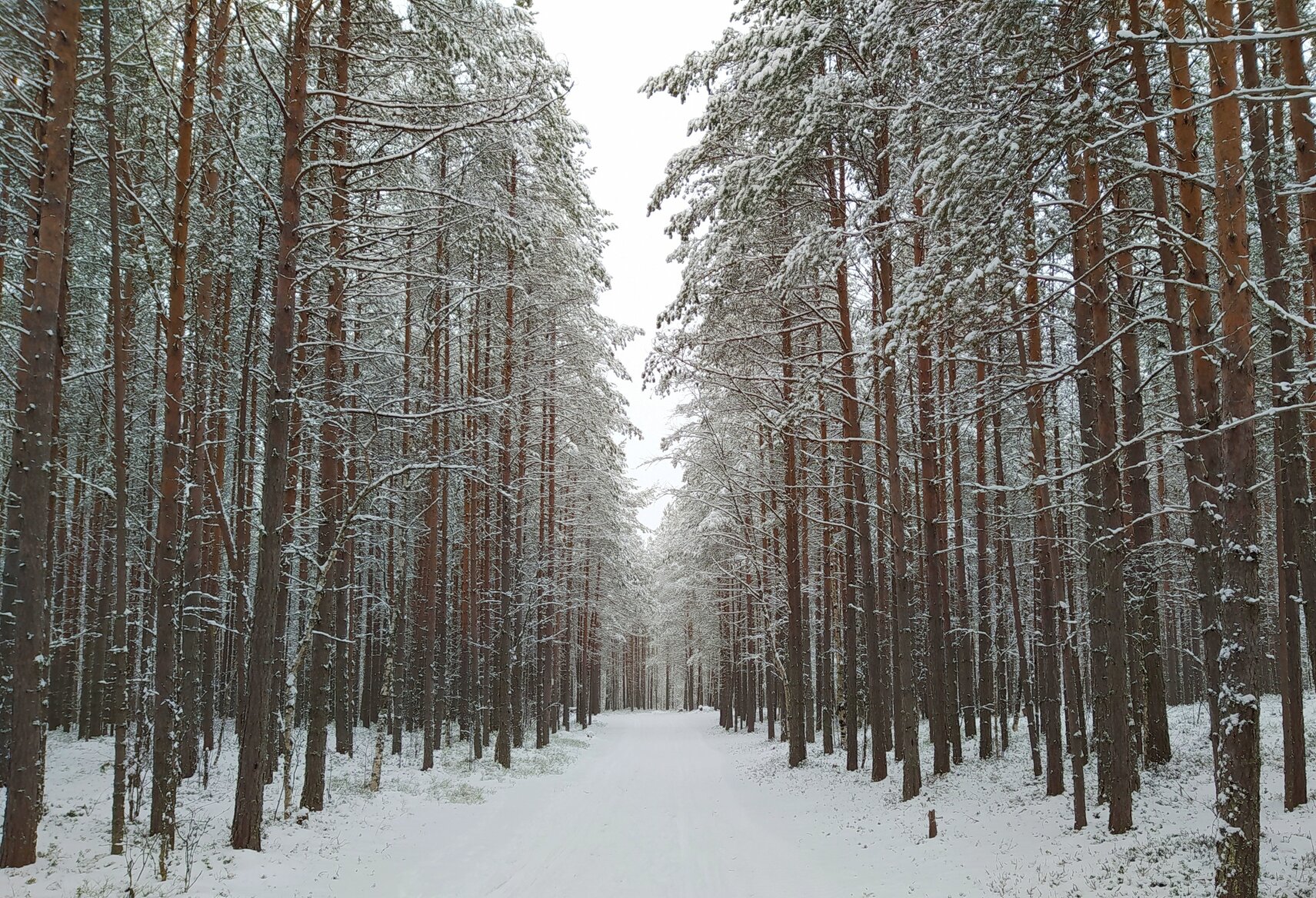
I’ve only seen forests like this in Russia, though I’m sure they exist elsewhere. There’s absolutely no brush or ground vegetation, so it all seems like a fantastic, enormous hall of columns (the way they say the columns of the Mosque of Córdoba look like a forest) and that makes for easy, long, wonderful walks, especially at night — which is most of the day in wintertime — and with snow.
Russian icon of St. Nicholas the Wonder-worker (click)
Today’s the feast of St. Nicholas (on the Gregorian calendar — December 19th on the Julian Calendar, depending on what kind of Orthodox you are ethnically), the saint generally known in the East (and beautiful Bari, one of my favorite Italian cities) as the “Miracle-worker.” But for me the coolest thing about St. Nick, and that’s the cause of his nauseating transformation into Santa Claus in the West, is that his miracles are deeply human and mundane and material, and actually just more good deeds than miracles: his most metaphysical, I guess, was his power to calm threatening seas; probably more to the point he prevents the execution of an accused criminal, following Christ’s example in opposing capital punishment or — my favorite — he quietly leaves three bags of gold, εν τω μέσω της νυχτώς, in the bedroom of three poor sisters who needed dowries to get married. He didn’t preach or rail against the dowry system, like the moralist who thinks his ideological crusade is more important then the real needs of real people, who gets a hard-on from his preaching while others are truly suffering: for example, the schmucks who leave a hard-working waiter a card that says: “We don’t believe in tips; they’re exploitative, join our group at www…etc…” or like the assholes you hear in New York on the subway when a panhandler comes by and certain types go off on their “oh-I’ve-heard-that-story-before-get-a-job-you-probably-make-more-money-than-me” tirades, without thinking that if a man is reduced to begging, for whatever reason, he’s already been through hell enough and deserves your compassion.
A priest at my old parish in Whitestone, I remember years ago on this day, said in his sermon: “St. Nicholas is not one of our great theologian-intellectual saints, like the Cappadocians [though he apparently slapped someone at the First Oecumenical Council at Nicaea for saying something dumb about the Trinity…I think], or one of our warrior, defender-of-the-faith saints, like Demetrios or Mercourios or the Archangels. More, he was a saint who always made sure that everyone under his pastorship had food to eat and a roof to sleep under.” He was particularly venerated in the sea-faring islands of Greece, for obvious reasons (“Hagie Nikola, I implore you” sings the island girl with her sailor-man away, “carpet the seas with flowers…”) and is the patron saint of Russia. In communist times the name still had some lingering Imperial/Romanov stigma attached to it and when I was there in the eighties, it seemed anachronistically charming to many Russians. Now it seems there are significantly more young “Kolyas” and “Nikolays” everywhere.
Despite an almost erotic devotion to and obsession I’ve developed for St. Demetrios over the years — hard to resist a young Roman aristocrat in uniform — Nicholas is still my patron saint. And he’s more than just important to me as saint himself, but because I love the Orthodox nameday tradition, which again varies from country to country. Serbs have always observed a single clan nameday, the Slava, celebrating the saint on whose feast-day the family’s first ancestor supposedly converted to Christianity, a very ritualized and beautiful celebration and one of the many traditions that Serbs adhere to that makes them the Slavs that, more than any others, still have one foot in their pagan past; telling, also, to how important he is in the Orthodox world: the single largest group of Serbian clans celebrate St. Nicholas as their Slava patron. Communism forced Russians to take their birthdays more seriously, and discouraged the celebration of the obviously religious nameday, but nineteenth-century Russian literature is full of nameday celebrations (Chekhov’s “Nameday Party,” and Tatyana’s nameday dance in Pushkin’sOnegin*), and as a semi-conscience remembrance of what the new Western-style celebration of birthdays replaced, the birthday-boy is to this day still called the “imeninets,” the “name-bearer.”
What I most love is that, among Greeks, your nameday is a day critical to your honor and reputation: it’s when you take friends out and treat them; it’s when people in small towns especially, but even some in Athens still, sit home in a house full of food and sweets and wait for everybody who has the right to — meaning every one they know essentially — and most likely will, drop by and wait for the the privilege of feeding them; most young Athenians today wait for an official invitation but massive group drop-ins are still common enough among the old-fashioned. In smaller, provincial towns, when there was a death in the family, you used to have to put an ad in the paper saying: “Due to mourning, we won’t be accepting callers this St. Nicholas Day.” In villages everybody just knew. It’s a day when you make an artoklasia, a “bread-breaking” offering and share sweetened and blessed loaves with your whole parish. It’s a day when it’s your obligation to give and serve and prove your noblesse and not, as Western birthdays have become, a day when you sit around waiting for others to do for you or give you gifts. Western, American, birthdays are only slightly less gross to me than the totally American ugliness of wedding and baby showers: “I’m getting married and/or I’m pregnant; so I’m having a party where you have to bring me things.” And don’t even start me on bridal registries, where you tell people, not just that they have to bring you something, but what they have to bring you.
So: χρόνια μου πολλά… And Многая Лета to other Nicholases everywhere. Keep the tradition alive.
* Tatyana was not a popular name in Russia until Pushkin’s Onegin became the Bible and literary gold standard of modern Russian, and Russians took the deeply loved heroine into their hearts. Only then did it become a widespread name and eventually, through her epic act of heroically soul-baring letter-writing probably, her nameday, January 12th or 25th — depending again on calendar — become the patron saint day of young students and scholars.
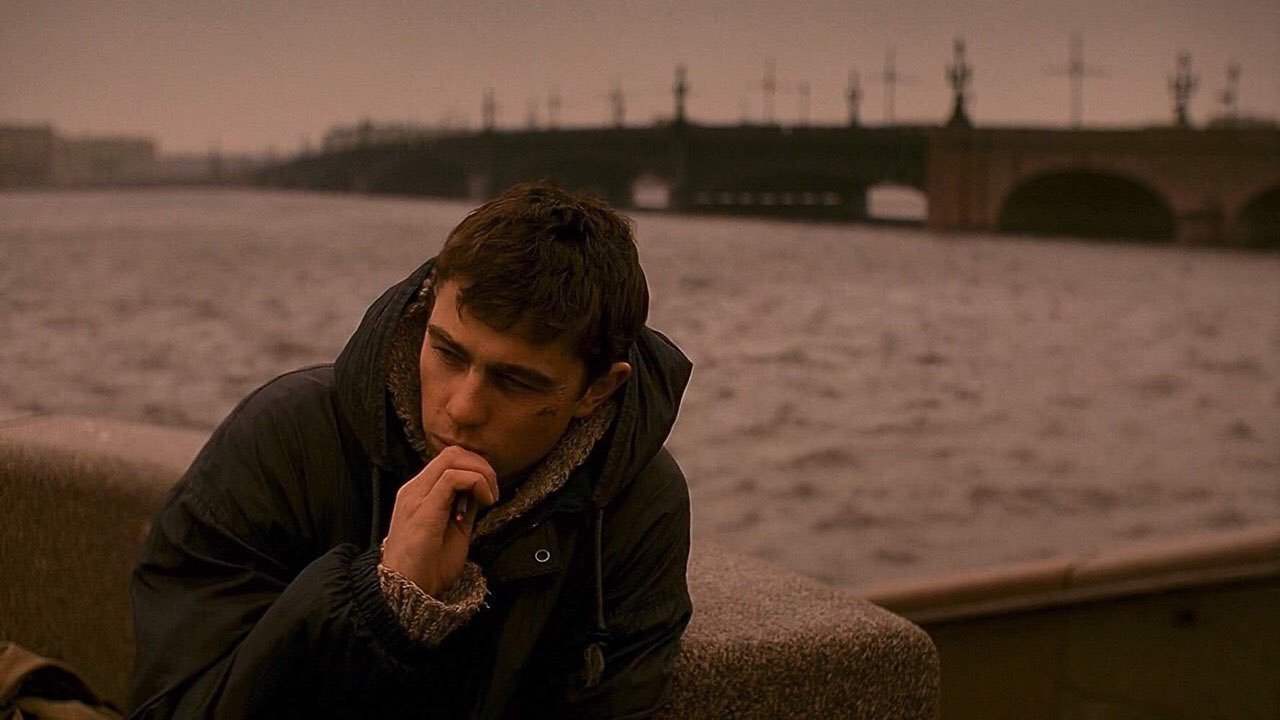
As archetypal a Russian парень as they come, he really touched something in the Russian collective soul, and his early and tragic death cemented his place there. Вечная память.
After the Red Plague came to an end in the 1990s, post-Soviet urban renewal started to focus on the back streets of Moscow, and the restoration of the streetscape and churches of these previously neglected neighborhoods revealed something lovely and unexpected: the fact that much of pre-twentieth century Moscow had survived totalitarian depravations intact.
And, of course, the glamorous Neo-Tsarist consumerism and glitz of contemporary Russia — accompanied, as it is, by the sea change in dress, grooming and physical fitness of an already handsome people and, though ethically problematic in a social and economic sense, is sensually great fun — all take place on these rehabilitated streets, while the grim Stalinist boulevards, with their massive building scale, have just become grimmer than they were and now feel like what they really are: anti-human and anti-urban Robert-Moses-style guttings of a great city.
Unfortunately I know nothing else about this pic: where or when or who took it…nothing. I guess we can safely say it’s before the Revolution. It’s just really beautiful.
Balkans, Anatolia, Caucasus, Levant and rest of ME, Iran, South Asia
Me, I'm Nicholas Bakos, a.k.a. "NikoBako." I'm Greek (Roman really, but when I say that in English some five people in the world today understand what I'm talking about, so I use "Greek" for shorthand). I'm from New York. I live all over the place these days. The rest should become obvious from the blog.










 Jadde: from Bosnia to Bengal