Off to ex-Yugoland

25 Apr

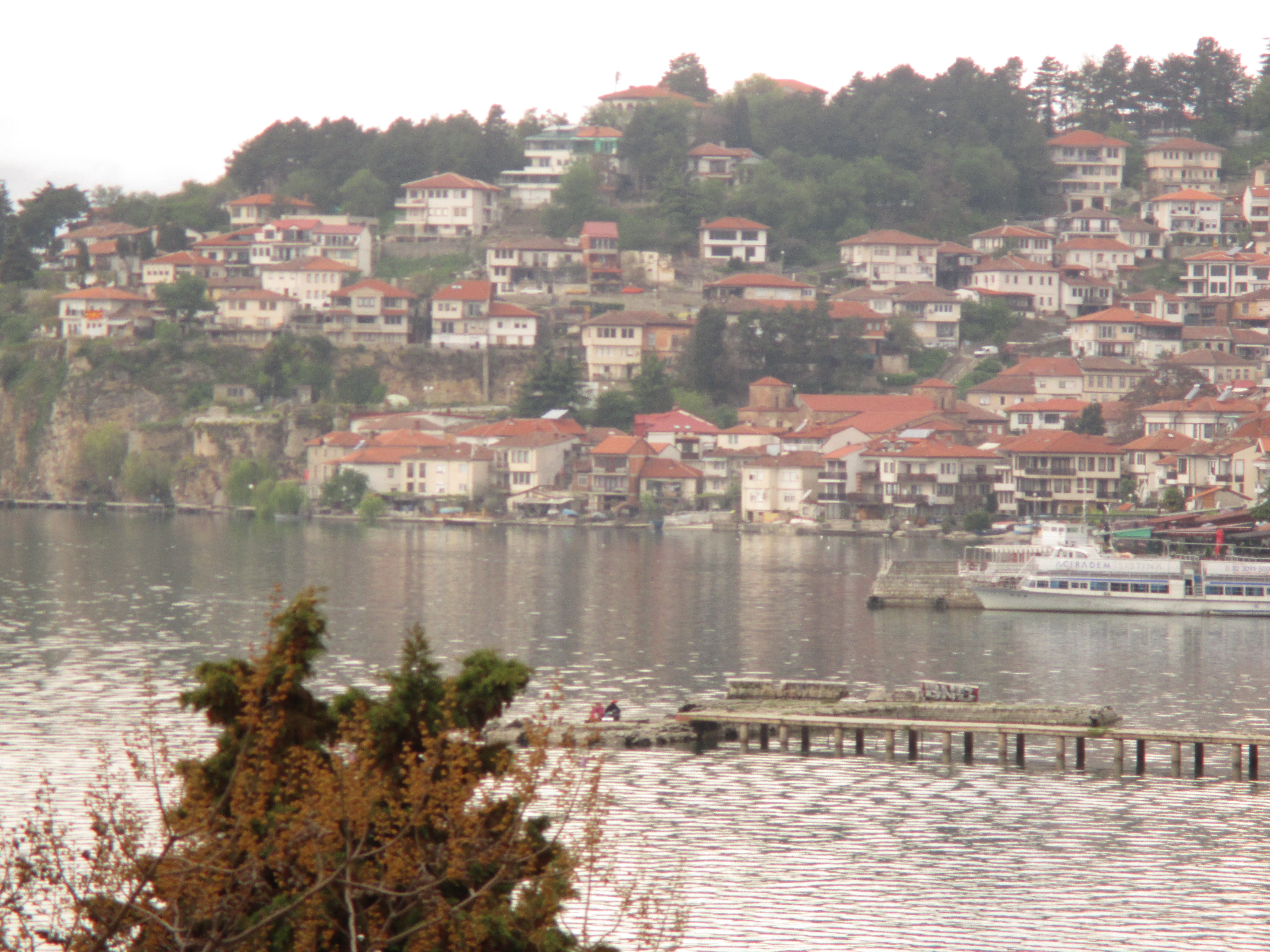
IMG_0217

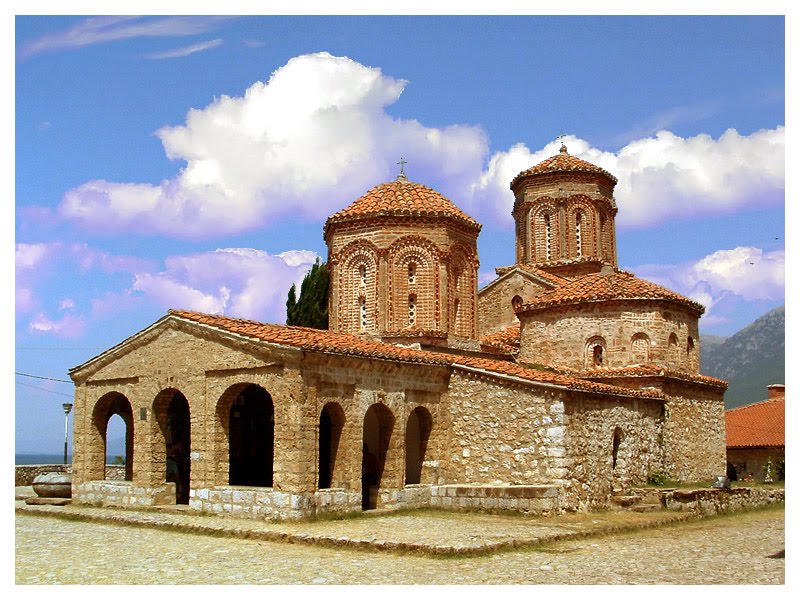
Ochrid, Macedonia

This was the summer that I would finally do it.  Me and a friend are off for a two-week tour through Macedonia, Kosovo and Montenegro.  (And yes, we’re calling it Macedonia and if anybody has a problem with that….emmm…tough shit; don’t read this blog.)  This is effectively the second leg of my journey; the first part was a visit to the monastery of Hilandar on Athos.  If I have the time and money I may do a Sarajevo to Belgrade run later in July.

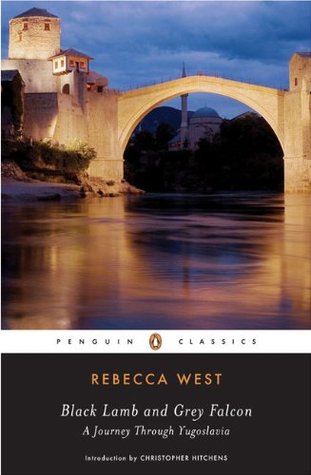
I think you have to understand the degree to which I’ve saturated myself in everything about this part of the world for twenty-five years to understand my excitement.  When we crossed the border into Macedonia last night I nearly pissed on myself.  If you want to come with me on this trip in spirit you’ll get your hands on Rebecca West’s Black Lamb, Grey Falcon, a book written about her trips through Yugoslavia in the 1930s that is so by far the best, most perceptive, most loving book ever written by a Westerner about the Balkans that it might as well be the only book ever written by a Westerner about the Balkans.  Everybody I know in New York rushed out and bought it in the nineties because it was getting touted everywhere as the thing to read in order to understand the Yugoslav wars, and then dropped it about a quarter — if that far — of the way through because they decided it was too pro-Serbian — Western liberals generally liking to have their preconceived notions about places they don’t know shit about validated for them.  The reason I’ve inhaled all 1,100 pages of this book about four times is best expressed in Christopher Hitchens’ brilliant introduction to the 2007 re-edition, Hitchens being one of the only intellectuals of our time to understand the brilliance of West’s mind, and the complexity and depth of her thought about not just Yugoslavia or the Balkans, but about masculinity and gender, war and pacifism, nationalism, fascism, anti–semitism, and just about all else:

“She never chances to employ the word, but Serbo-Croat speech has an expression that depends for its effect not on the sex lives of humans, but of animals. A “vukojebina” – employed to describe a remote or barren or arduous place – literally a “wolf-fuck,” or more exactly the sort of place where wolves retire to copulate. This combination of a noble and fearless creature with an essential activity might well have appealed to her. The term – which could easily have been invented to summarize Milovan Djilas’s harsh and loving portrayal of his native Montenegro, Land Without Justice – is easily adapted to encapsulate a place that is generally, so to say, fucked up. This is the commonest impression of the Balkans now, as it was then, and West considered it her task to uncover and to praise the nobility and culture that contradicted this patronizing impression.

BlackLamb

Sveti Naum39628346Sveti Naum, Ochrid (click)

(You’ll also find yourself a copy of Djilas’ stirring, disconcertingly moving book as well.)

Land without Justice

I’m getting a good connection almost everywhere, but I may not have time to write a lot in the next few days — you’ll probably get some photos with quotes from West — because we’ll be on the road a lot.  But next week we’re anchoring for five days on Durmitor in Montenegro, near a town called Žabljak, apparently the highest inhabited village in the Balkans, and then I’ll probably have time to write some.  Till then…

Ochrid, Easter Friday 2014

IMG_0150(click)

Comment: nikobakos@gmail.com

Easter in Derviçani

25 Apr

Dropoli

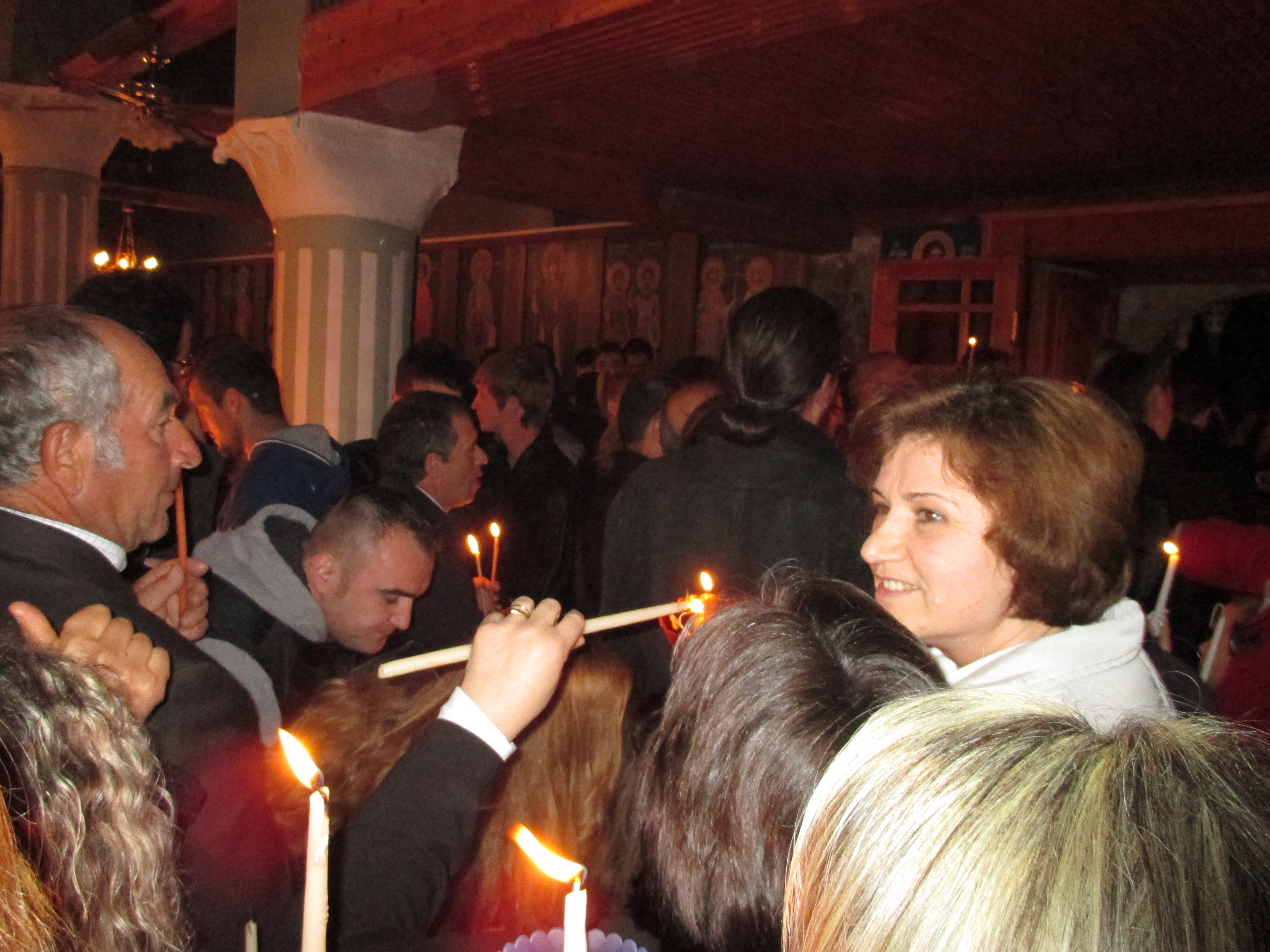
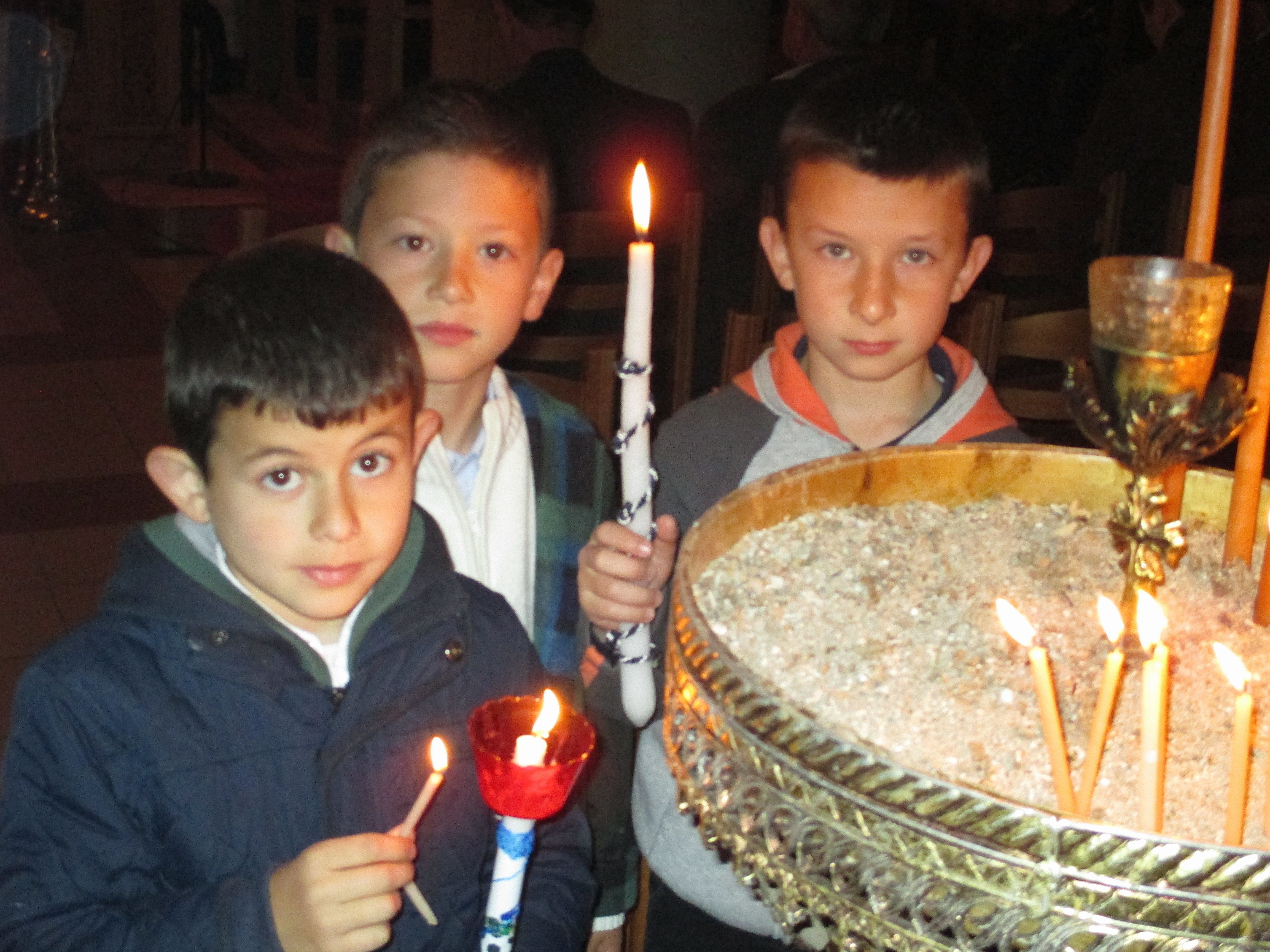
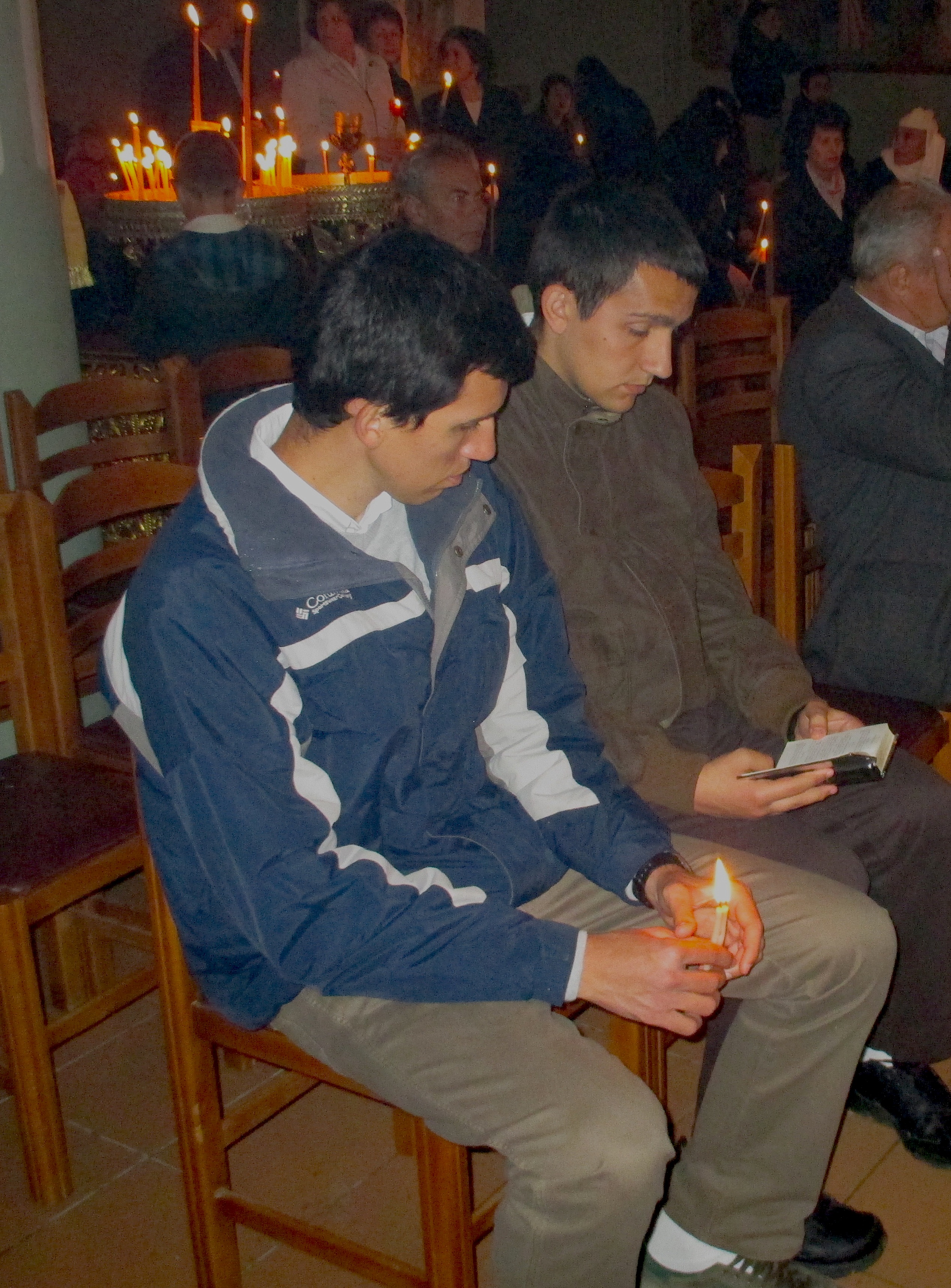
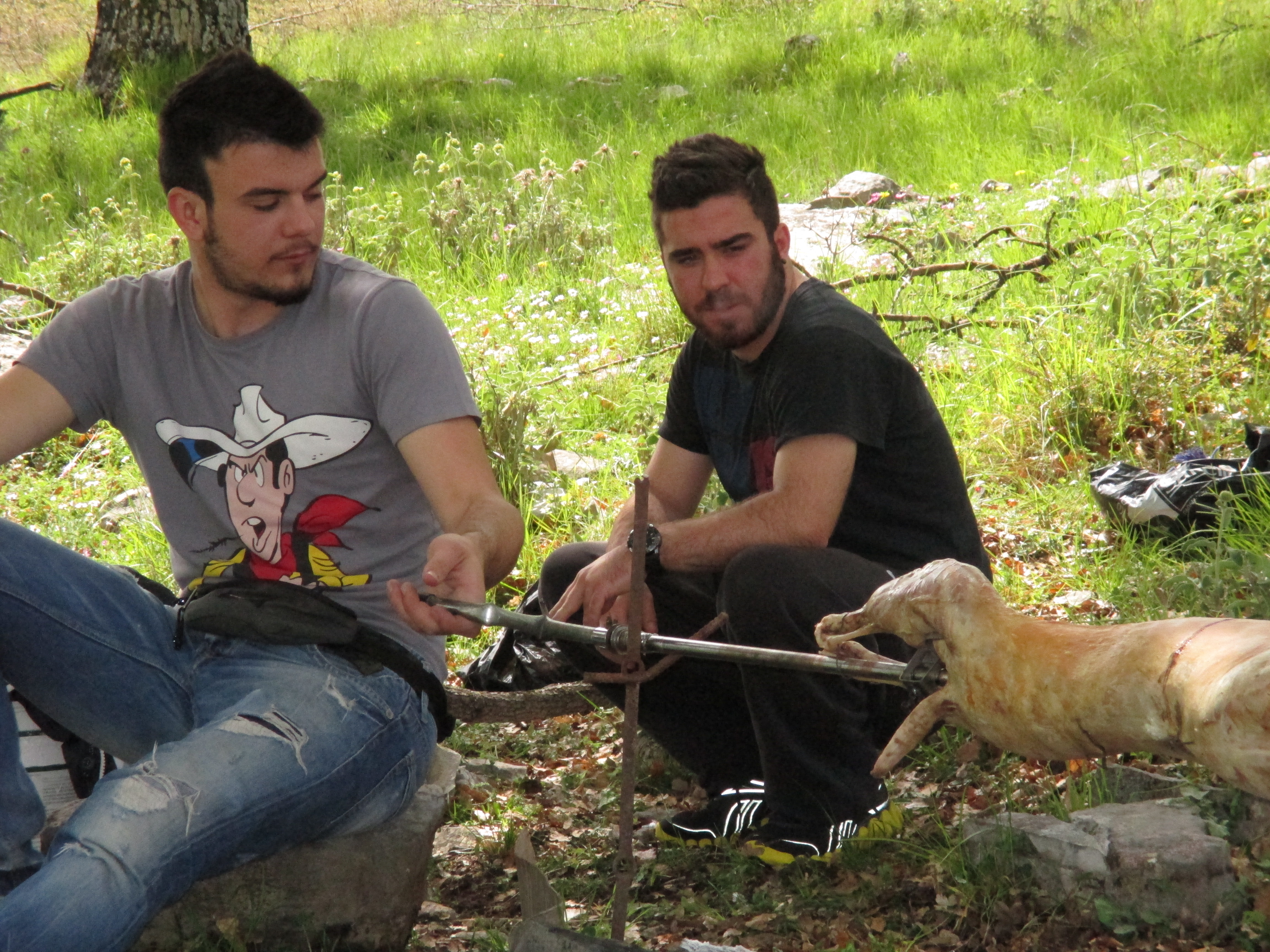
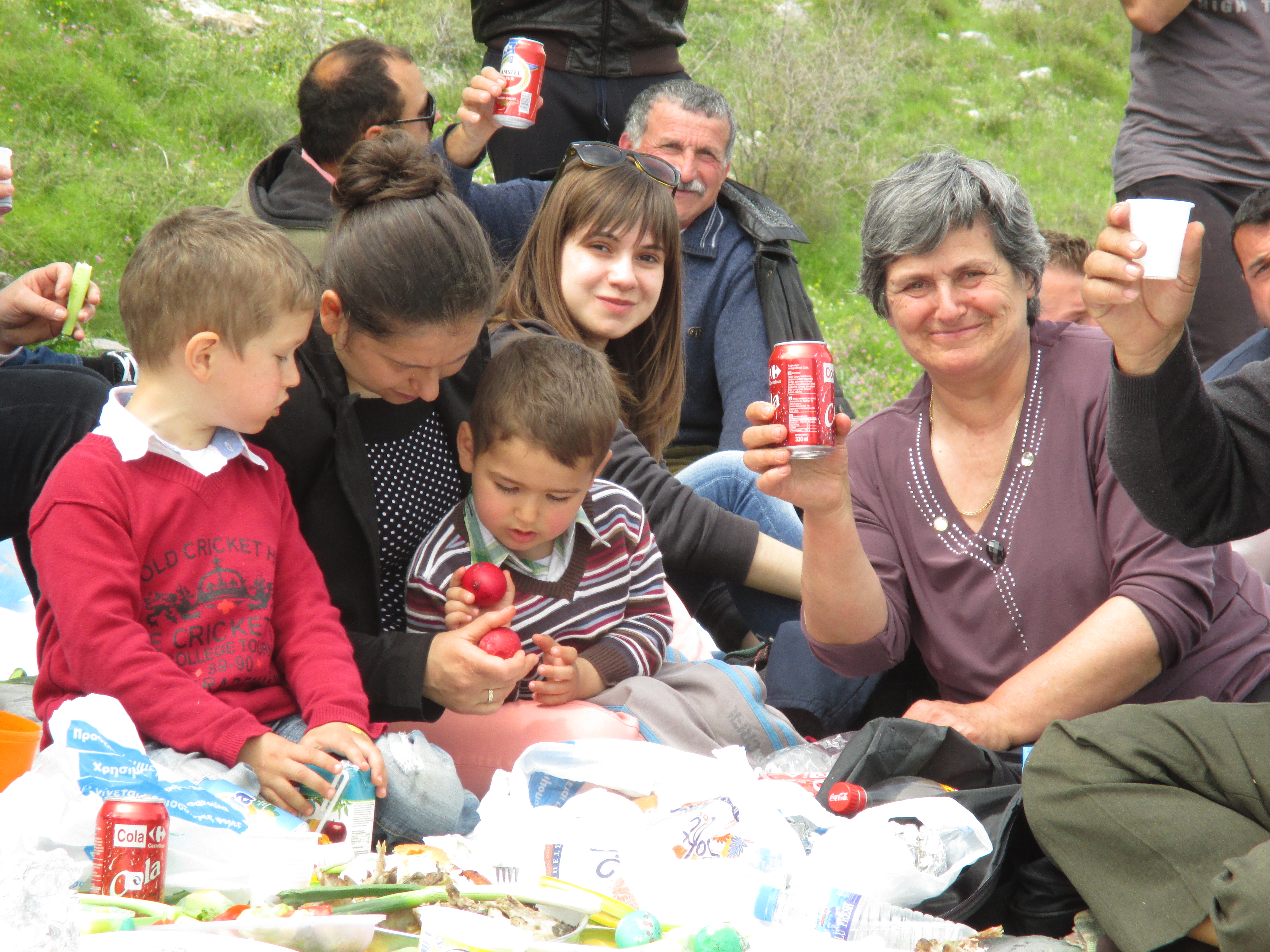
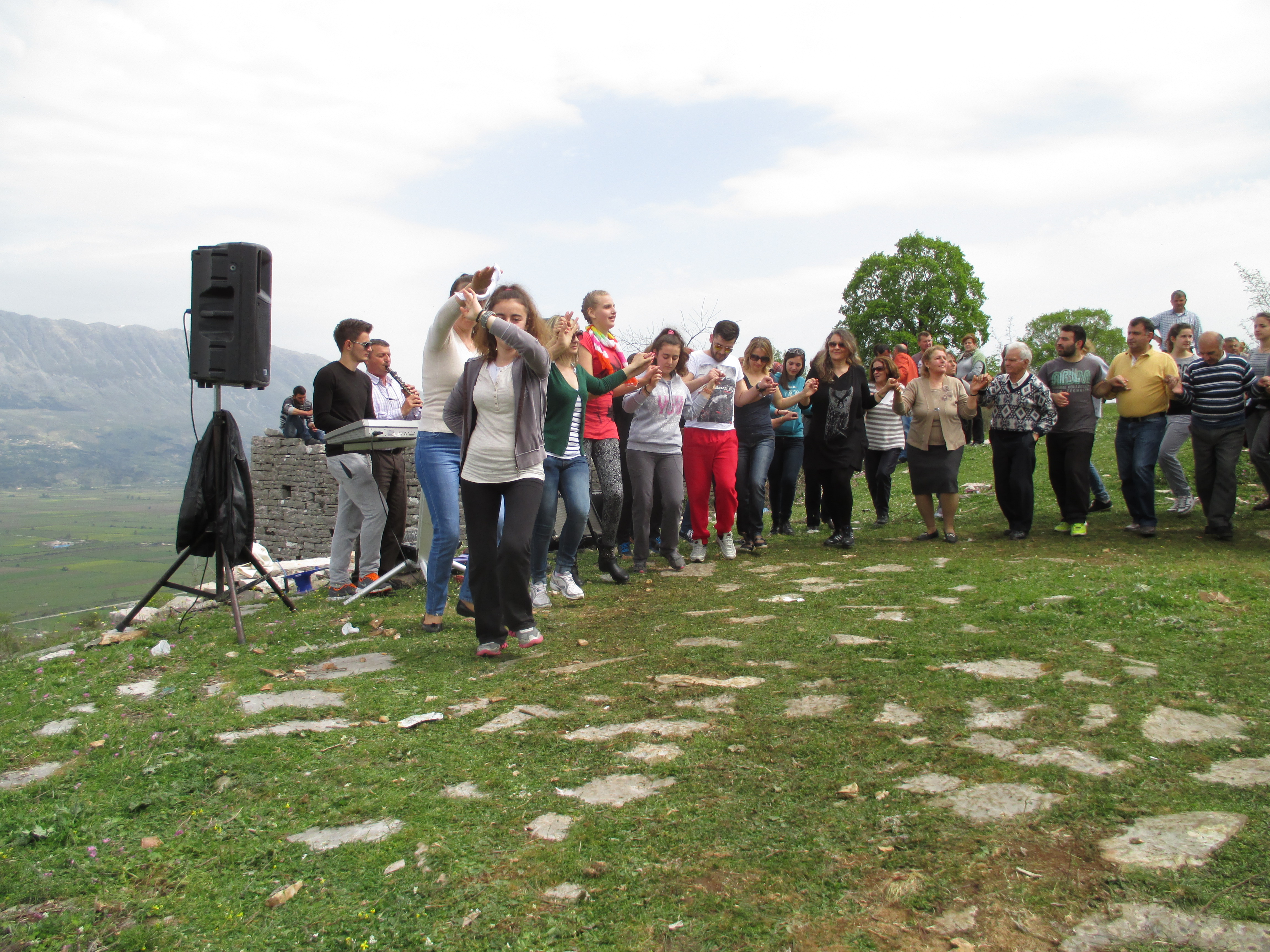
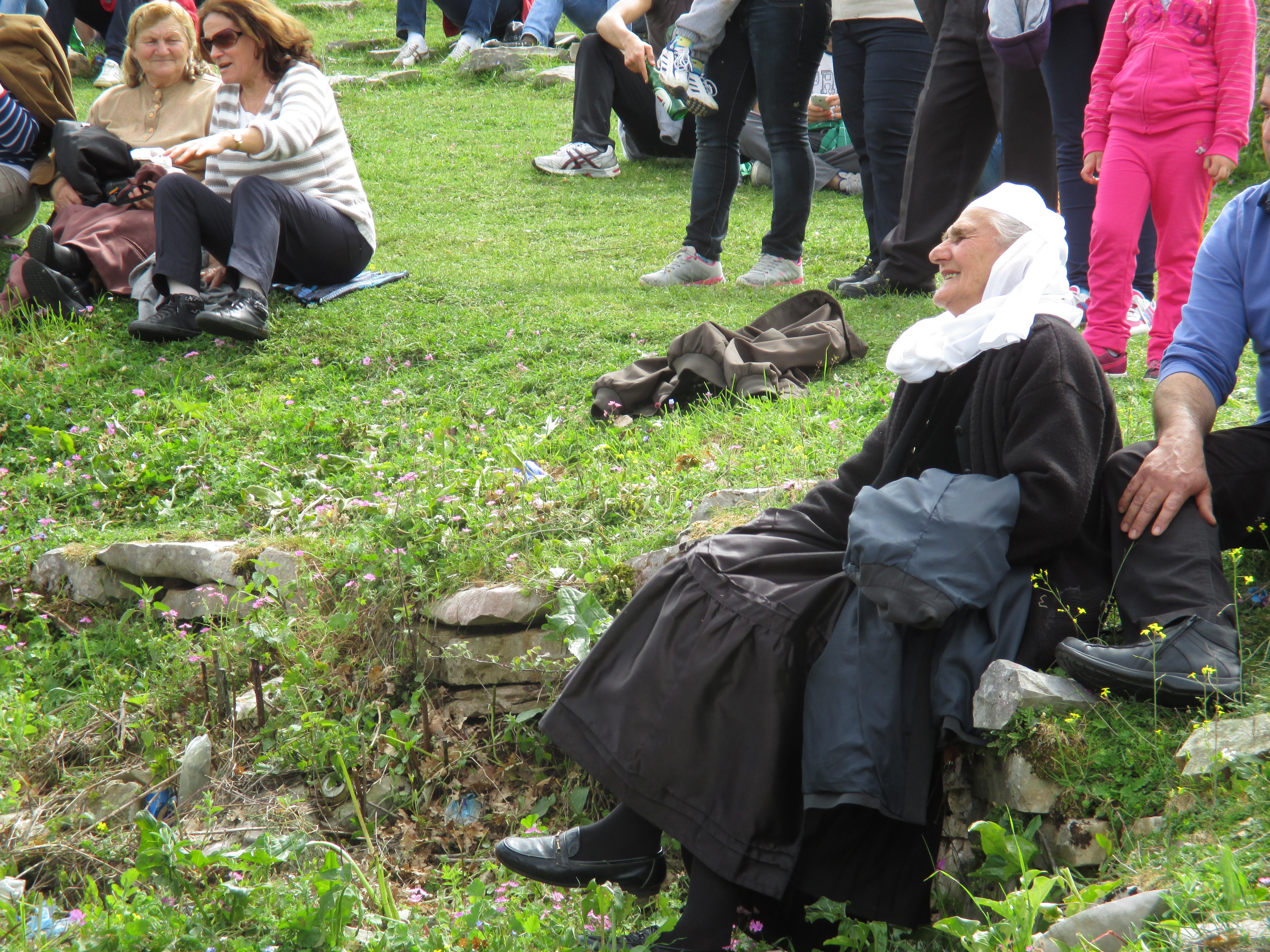
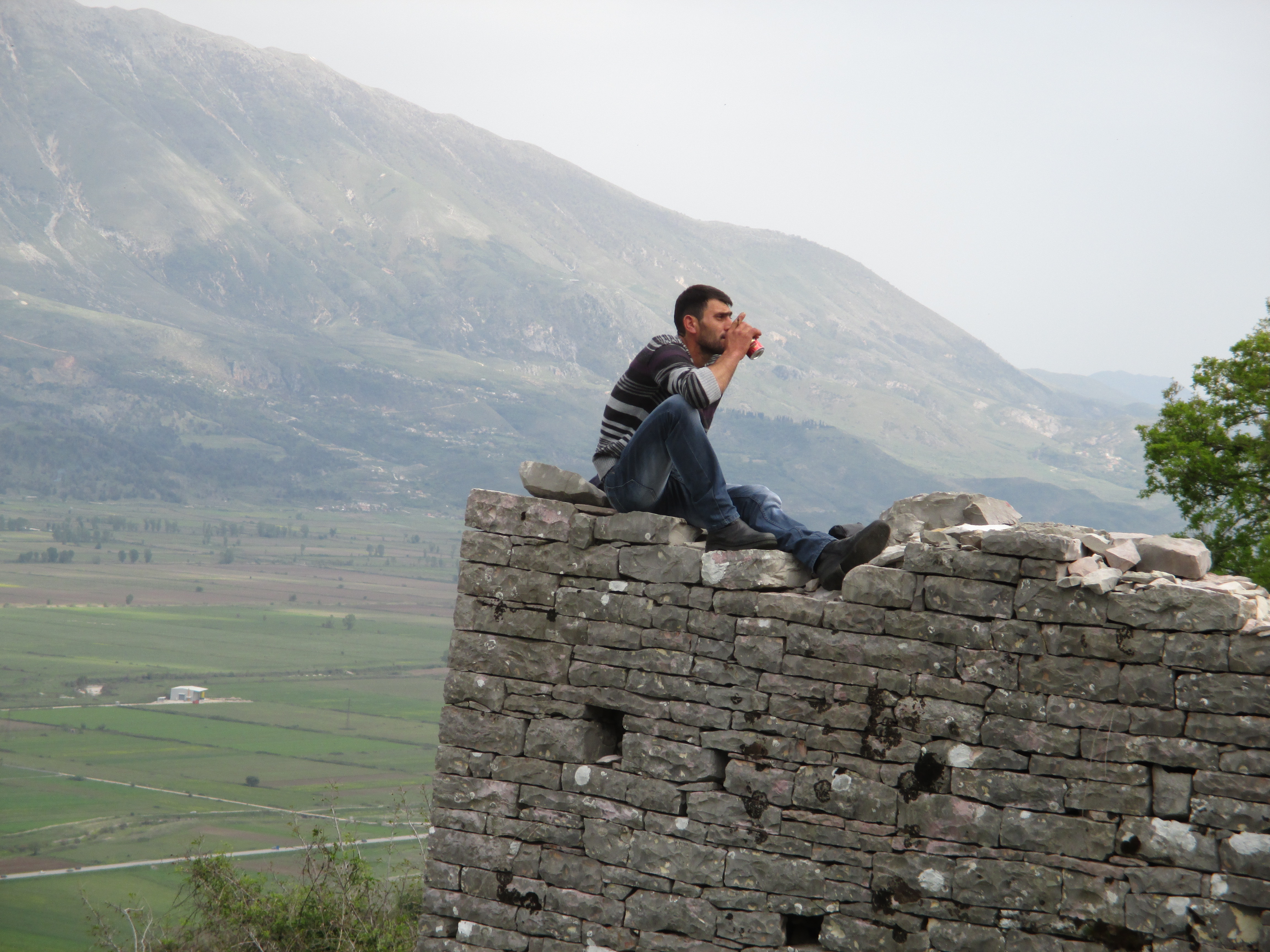
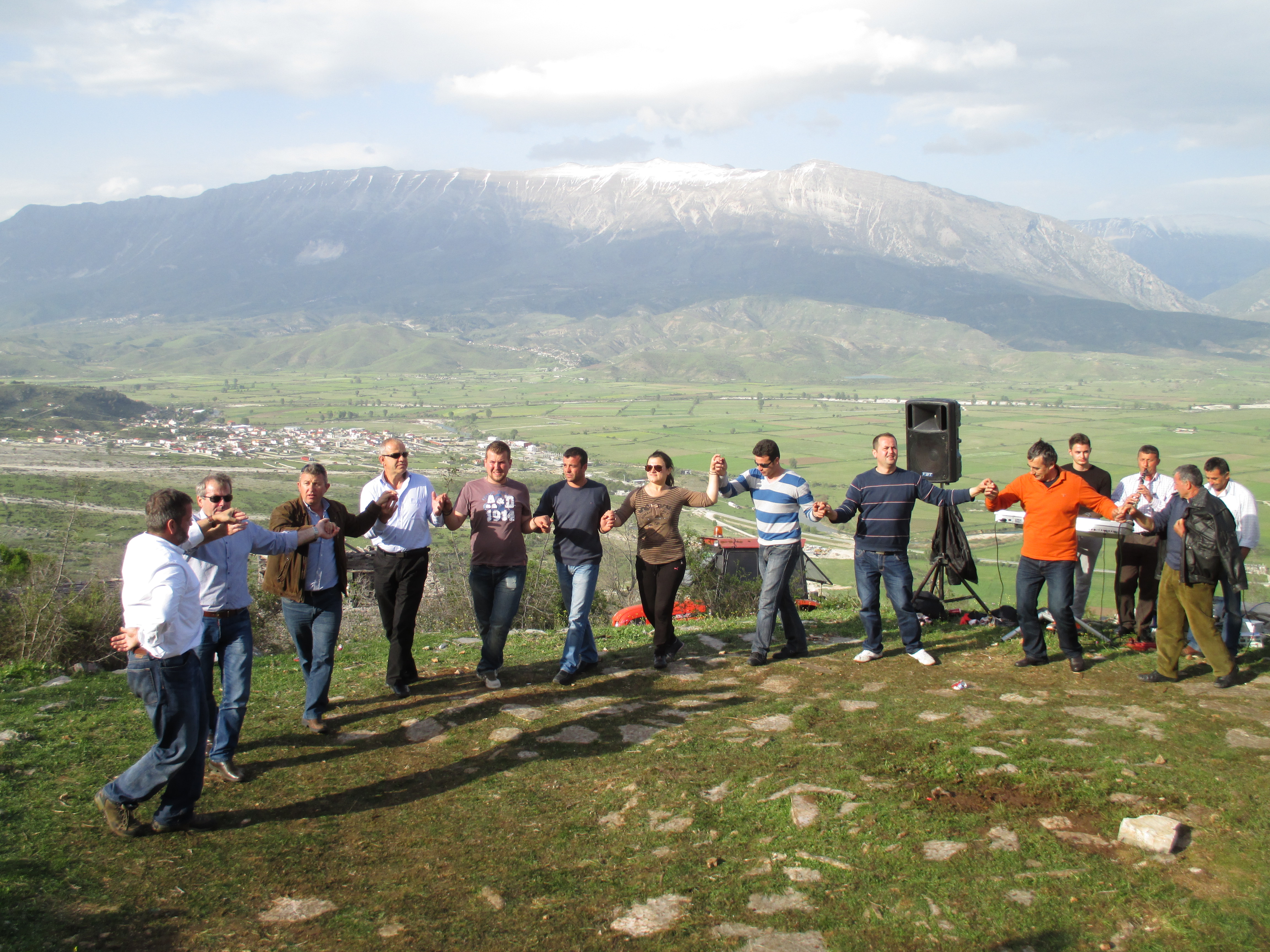
Easter in my fa… — in my — village has left behind such a mountain of tangled emotions and thoughts and joy and sadness that it’ll take me weeks, months…maybe never, to sort it all out and write anything coherent about it.  Almost feel like I don’t want to.  But here are some teaser pics in the meantime. (double-click on all)

IMG_0029 IMG_0058

IMG_0048

IMG_0094

IMG_0102

IMG_0129

IMG_0162

IMG_0146IMG_0125

IMG_0131

IMG_0149

IMG_0207

Julian: “Turn your back on this world, and you face the pit!”

20 Apr

julian

The following is a passage from Gore Vidal’s novel Julian, about the fourth century Roman emperor of that name. The Church calls him Julian the Apostate because he supposedly attempted to de-Christianize the Roman Empire and persecute the Church. He did no such thing. He simply put a stop to the harassment and persecution, by the Christian Church, which his uncle Constantine the Great had made the Empire’s official religion, of the traditional pagan cults of the Greco-Roman world. Not groomed for the throne, but for the philosopher’s chair in the schools of Athens, he had it thrust upon him, as it were, by the untimely death of his brother Constantius. Intelligent, tolerant, humane, apparently extremely attractive, he became a popular emperor and highly capable military leader loved by his men and the people.

It’s become accepted historical fiction-fact that he was killed in a battle with the Persians in what’s now northern Syria, by a conspiracy organized by Christians among his own officers – or what in the modern American military is called “fragging.” But he had an extremely daring, and probably very conscious, Alexander-like, lead-from-the-front style, so it could have very well been a legitimate combat death. In any event, his death marked the end of classical polytheism and the definitive triumph of the Church.  For better or for worse…

Vidal’s book is written in the form of journal entries and letters between the various characters. Julian’s segments are the most interesting to read, full of his quixotic idealism and intelligence and quiet heroism — like I’ve said elsewhere, he’s one of my best beloved Roman ancestors.  The other parts, especially the correspondence between two of his old tutors from Athens, Libanius and Procopius, can get kind of tiring because Vidal insists on portraying them as two bickering old queens.

This selection comes from the end, after Julian’s death, when Libanius runs into another former student of his from the philosophical schools of Athens, who has now become a Christian clergyman, to Libanius’ dismay, and taken the name John – John Chrysostomos – the author of last night’s, this morning’s beautiful Easter sermon. The encounter takes place in a church in Antioch:

He took my arm and led me to the door. Then he turned around and indicated a high place on the opposite wall. “New work,” he said. “I think it quite beautiful.” I twisted my head so that I could see – just barely – what appeared to the giant figure of a man with arms outstretched.

         “Can you see him clearly?”

         “Oh, yes,” I lied. The gold mosaic glowed like the sun itself in the afternoon light.

         “It is Christ Pantcrator, come to redeem us. The face is particularly fine.”

         “Yes, I see the face,” I said flatly. And I did: the dark cruel face of an executioner.

         “But you don’t like what you see?”

         “How can I, when what I see is death?”

         “But death is not the end.”

         “It is the end of life.”

         “This life…”

         “Life!” I turned on him fiercely. “You have chosen death, all of you…”

         “No, not death. We have chosen life eternal, the resurrection of the…”

         “That is a story to tell children. The truth is that for thousands of years we looked to what was living. Now you look to what is dead, you worship a dead man and tell one another that this world is not for us, while the next is all that matters.”

         “We believe…”

         “This is all we have John Chrysostom. There is nothing else. Turn your back on this world, and you face the pit!”

Just a thought.  Christos Aneste.

christ-pantocrator-mosaic-monreale Sicily

The Christ the Pantocrator mosaic from the cathedral of Monreale, Sicily (click)

Comment: nikobakos@gmail.com

A Resurrection Song: “Orphan Girl” – Gillian Welch

20 Apr


I am an orphan on God’s highway
But I’ll share my troubles if you go my way

I have no mother, no father
No sister, no brother
I am an orphan girl

I have had friendships pure and golden
The ties of kinship have not known them

I know no mother, no father
No sister, no brother
I am an orphan girl

But when He calls me I will be able
To meet my family at God’s table

I’ll meet my mother, my father
My brother, oh my little, oh my big brother
No more an orphan girl

Blessed Savior make me willing
Walk beside me until I’m with them

Be my mother, my father
My sister, my brother
I am an orphan girl
I am an orphan girl


Christos Aneste

Σήμερον κρεμάται επί ξύλου…

17 Apr

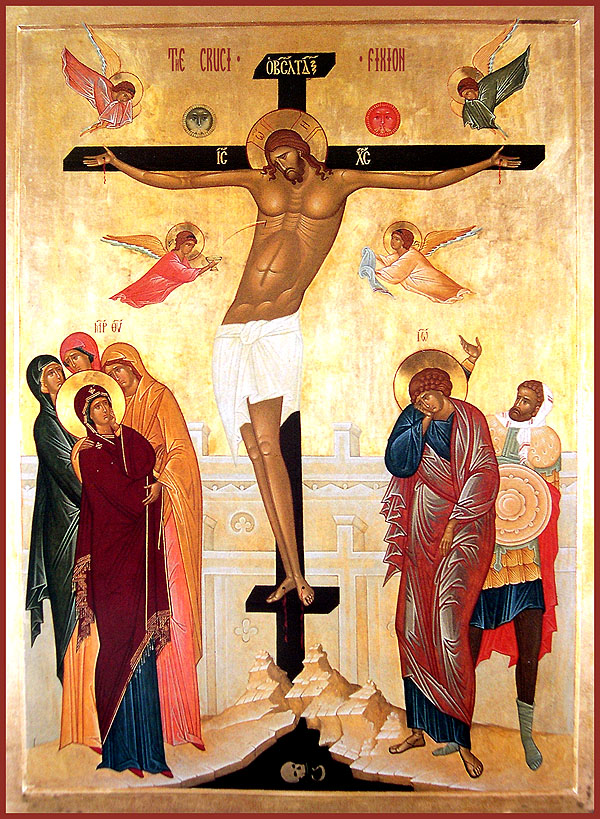
crucifixion2

(click)

“Today hangs suspended from a piece of wood, the One who suspended the earth amidst the waters…” begins the main hymn of tonight’s service in the Orthodox Church.  It’s matins for Good Friday, sung the night before; it corresponds to the Oficio de Tinieblas in the Catholic Church, or the Via Crucis, or Stations of the Cross.  Except it’s not the forty-five minutes Cliff notes version.  It’s a four — with Russians, five plus — hour, perfectly paced and structured, oratorio that uses twelve gospel selections (it’s colloquially known as the “Twelve Gospels” among both Greeks and Russians and I imagine other Orthodox peoples), and a surfeit of beautiful and psychologically astute poetry and music to tell the story of the Last Supper, and Christ’s arrest, judgement, crucifixion, death and burial.  It’s my favorite Holy Week service.  Because it’s a masterpiece.  It doesn’t draw any of its power from made-up, sadistic Mel Gibson details that aren’t even in the gospels: like how many times Christ fell, or where they whipped Him, or where and when they spat on Him, or where He scraped his knees, or any of the bloody kitsch and sensationalism and fabricated detail so physical that it’s disrespectful and that the Catholic Church allows and encourages; one speaks of the body of Christ with a certain laconic awe I would think, no matter what it was put through.  Its power comes from the perfection of its theater and its theology and — if anything — from the spareness of the story it tells.

Background to this post…  For years, whenever I heard that relatives or friends from Greece, especially under a certain age and especially from Athens, were coming to New York to visit for Easter, my guts would get twisted up in knots of anxiety in anticipation because I just could not endure having them around at that time of year.  Anticipation of what?  Well, there came a time, for me a crucial turning point in post-1974 Neo-Greek culture — it was around the early-eighties — when Greeks started asking each other: “Where are you going for Easter?”  And I couldn’t imagine what I would answer if asked.  Where am I going for Easter?  I dunno…  I’m going to be home.  I’m going to my village.  It’s Easter.  Where should I be going?  This is because there came a point, when, for the demographic I’m talking about, Holy Week and Easter had become the equivalent of Spring Break, some free days to go off on a vacation somewhere.

So I could anticipate their attitude.  I knew they wouldn’t appreciate the subtle shift in the pace of life that occurs in a Greek neighborhood like Astoria when Palm Sunday dawns.  The sobriety mixed with the rush of preparation and excitement.  I would anticipate instead the surprise, at best, but mostly the grinning condescension, with which they’d react to how seriously diaspora Greeks still took this time of the year, how backwards and un-hip and un-Euro it was of us.  I’d know they’d want to go out to a cool baraki on Good Friday night.  I’d know they’d ask to be taken shopping on Holy Saturday, in the middle of the cooking and cleaning: there were some shoes they had seen on sale at Macy’s.  I had two Turkish roommates for a while once: totally secular, modern Istanbullu girls; they just didn’t eat pork.  And out of respect, or just to prevent possible squeamishness on their part — they had never even said anything to me — I would keep salami and pancetta and other pork products in the basement refrigerator that they never used.  On the other hand, I once had to have a screeching match with a Athenian guest about not having meat in the house on Good Friday — I ended up feeling like a friggin’ Talib — because she needed her protein and fasting reminded her of how oppressive her mother was during her childhood.  Just a couple of years ago, a cousin saw me go off to the first Nymphio on Palm Sunday evening and said to me: “You mean…like…you’re going to go be going to church…like…every night this week?  In Greece nobody goes.  That’s something left over in the diaspora…” she had the archidia to say to me.  It was never something they had lost; it was always something “left over” among us.  I said nothing.  But, as you can imagine — as opposed to the sentiment of “Next year in Jerusalem” — the idea of being stuck in Greece for Easter had always been my nightmare.  I only came this year because it was going to be one of the rare years professionally when I could go to my father’s village in Albania for what I knew would be a traditional Easter that wouldn’t infuriate me.

And instead I’ve been amazingly and pleasantly surprised.  I don’t know what Greece it is that this cousin of mine lives in where nobody goes to church, but all through Lent and especially this week, every church I’ve been in has been packed.  Tonight was the most moving “Twelve Gospels” I’ve ever attended.  The massive (as massive as a pre-Tanzimat church could be) eighteenth-century, stone cathedral of Jiannena was filled to the rafters — literally; it has a two-floor gallery where the women used to traditionally stand and even both of them were full.  The cantors were perfect.  The procession of the Cross immaculately pulled off.  I felt like Vladimir’s envoys in Hagia Sophia.

But what most moved me most was the breadth of age and sex of the crowd.  If anything, there were even more young people than there would be in New York — young guys, parea — following the text from the little black book carefully, people with that relaxed reverence that the best Greek — knowing how to be respectful, but comfortable in his father’s house — displays when in church.  Almost everyone stayed to the very end.  I really felt in my heart and gut what Yosef Eliya felt in his Purim poem when he writes: “Tonight the synagogues open their arms wide to the faithful children of my ancient people…”

Tomorrow it’s off to Albania.

Kale Anastase and Happy Easter…my ancient people.

Comment: nikobakos@gmail.com

Jiannena

16 Apr

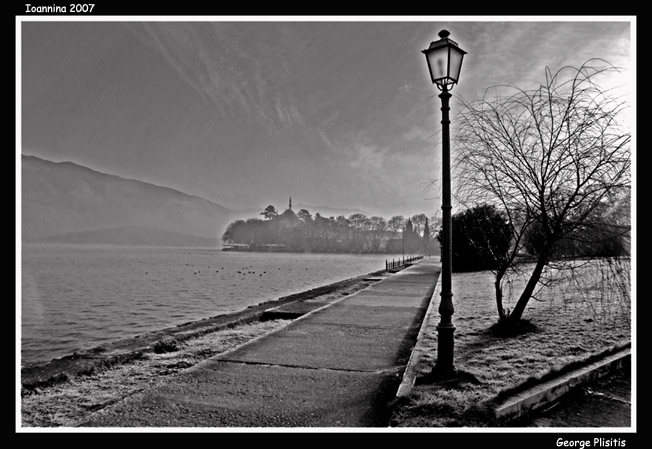
fanari

Christ.  Especially at certain times of the year, this can be among the most melancholy places on earth — beautiful, the mountains around still snow-capped, but not for the suicidally inclined poet or the sensitive generally.  After the exuberant spring of Attica especially…  It’s in the low 50s at most, 40s at night and there’s this constant, what I can only call British drizzle falling all the time, like somebody with a spray can standing next to you every time you venture out and continuously coating you with a fine mist.

I’m here to go into Albania on Friday (everyone still says “into”), to be the first member of my family to celebrate Easter in our village in sixty years.  And I’m staying at a hotel that has this glorious turquoise pool in the central courtyard, but it’s not open for swimming, and I like cold water and cold weather swimming, but, according to the receptionists: “δεν είναι ο καιρός κατάλληλος,” the weather is not appropriate.  And I looked at them with a straight face and said: “Guys, I’m an Epirote too, ok, and even in August the weather is exactly like this.”  They just stared at me, with that soft smile…  People here are so odd.  So tough, in the middle of all this wildness, and yet so sweet and soft-spoken — like Native Americans sometimes, they remind me.  My father was like that.

(For other Greeks, we’re just a little too “heavy” — which, given where it comes from I consider a compliment.)

One of the most beautiful evocations of the melancholy — of the melancholy and stoic — ethos of Jiannena and Epiros generally is the this poem by Michales Ganas, Γυάλινα Γιάννινα, “Jiannena of Glass,” with a video put together by Vassilike Besiou.  Her choice of musical accompaniment — the keening, rocking back-and-forth melody typical of the region (all Epirotiko music sometimes seems to have grown out of funeral dirges) and simple polyphony or second voice drone — is perfect for her purposes.  Under the video are the verses of the poem itself, in English, Greek and in a probably amateurish Spanish translation I did for a friend of mine — a “this is where I’m from” gesture… ” on my part.  The poem is odd both thematically and structurally in Greek even; excuse the clumsiness of the English translation as well.

“What snow these shoulders had born, no one ever knew.  No one ever knew.  No one.”


Jiannena of Glass

On a night like this, many years earlier,

Someone walked alone,

I know not how many muddy miles.

He walked alone,

a dark and cloudy night without stars.

Walked on and on.

At dawn, he reached Jiannena.

At the first inn, he ate and slept,

three days and three nights.

He was woken up by the snow, falling softly.

He stood in the window and listened to the clarinets.

He listened to the clarinets,

blurry one moment, at his side the next,

distant and blurry one moment, the next right at his side,

as the wind carried them.

And he heard that crystal-clear voice.

From somewhere close.

A cry, like she was being killed.

But no other noise, nothing else.

It was snowing.  All that night it snowed in Jiannena.

At dawn he paid what he owed and returned to his village.

He must have been around fifty, with grey hair,

and three unmarried daughters.

A widow of four years.  Around fifty.

A widow of four years, with his black cape around his shoulders.

Ah, what snow they had born,

What snow these shoulders had born, no one ever knew.

No one ever knew.

No one.

Γυάλινα Γιάννινα
Μια τέτοια νύχτα πριν από χρόνια
Κάποιος περπάτησε μόνος
Δεν ξέρω πόσα λασπωμένα χιλιόμετρα
Κάποιος περπάτησε μόνος

Νύχτα και συννεφιά, χωρίς άστρα
Πήγαινε το δρόμο δρόμο

Ξημερώματα, μπήκε στα Γιάννενα
Στο πρώτο χάνι έφαγε και κοιμήθηκε τρία μερόνυχτα
Ξύπνησε απ’ το χιόνι που έπαιφτε μαλακά
Στάθηκε στο παράθυρο και άκουγε τα κλαρίνα
Και άκουγε τα κλαρίνα
Πότε θαμπά και πότε δίπλα του
Πότε θαμπά
Και πότε δίπλα του
Όπως τα ‘φερνε ο άνεμος

Αχ…
Και άκουσε μετά τη φωνή πεντακάθαρη
Από κάπου κοντά την άκουσε
Σαν αλύχτημα και σαν να την έσφαζαν τη γυναίκα
Κι ούτε καυγάς, ούτε τίποτα άλλο
Χιόνιζε
Όλη νύχτα στα Γιάννενα χιόνιζε

Ξημερώματα, πλήρωσε ότι χρωστούσε και γύριζε στο χωριό του
Στα πενήντα του θα ‘τανε
Με γκρίζα μαλλιά και τρεις θυγατέρες, ανύπαντρες
Χήρος τέσσερα χρόνια
Στα πενήντα του θα ‘τανε

Χήρος τέσσερα χρόνια
Με τη μαύρη κάπα στις πλάτες
Αχ, το τι χιόνι σήκωσαν
Τι χιόνι σήκωσαν τούτες οι πλάτες
Κανένας δε το ‘μαθε…
Κανένας!

Jiannena de vidrio

Una noche como esta hace ya muchos anos,

Alguien camino solo, ni se cuantas leguas fangosas,

Noche nublada, sin estrellas,

andaba camino camino.

Al amanecer, entro en Yianena.

En la primera posada, comio y durmio

tres dias, tres noches,

Lo desperto la nieve, que caia ligera,

Se paro en la ventana

y escuchaba los clarinetes.

Y escuchaba los clarinetes,

un momento lejanos y mudos,

y despues cercanos.

En un momento lejanos y mudos,

y en otros cercanos, a su lado,

segun los traia el viento.

Ay…

Y escucho despues la voz cristalina,

de una parte cerca,

como gemido, como si la estuvieran matando.

Sin lucha ni pelea, sin nada.

Nevaba.  Toda la noche en Yianena nevaba.

Al amanecer pago lo que debia

y regreso a su pueblo.

Debia tener como cincuenta anos,

canoso ya, y con tres hijas, solteras.

Viudo hace cuatro anos,

a los cincuenta,

Viudo de cuatros anos,

con la capa negra en los hombros.

Ay, cuanta nieve han portado…

Cuanta nieve portaron esos hombros,

esas espaldas, nadie lo supo nunca.

Nadie supo nunca.

Nadie.

anexartisias

Comment: nikobakos@gmail.com


A Zissen Pesach y Pesaj Alegre to everyone…

15 Apr

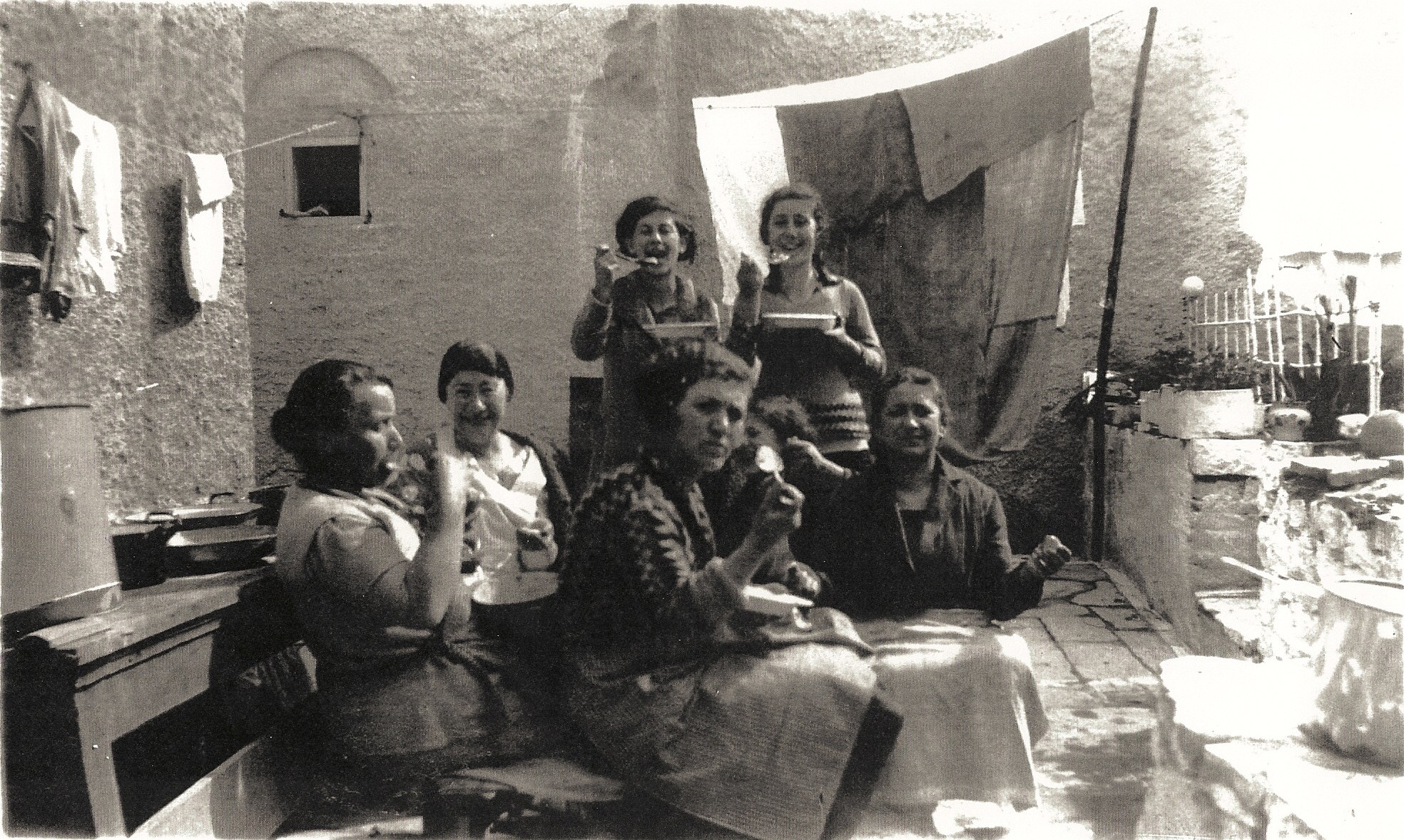
…or just Καλό Πάσχα, “Kalo Pascha,” as the Jews of Jiannena would say.

Passover in Ioannina Bechoropoulos & Attas Family 1933

The Bechoropoulos and Attas families celeberating Passover in Jiannena in 1933 (click)

Special thanks again to Marcia Haddad Ikonomopoulos and the Kehila kedosha Janena community in New York City for providing the photo.

Comment: nikobakos@gmail.com


Besa: A Reader Responds…

14 Apr

Besa: A Code of Honor  (November 20th)

“Niko I have long wanted to leave a comment about this post. I believe that what the Albanaians did for the Jews in sheltering them from the Nazis was courageous, noble and just. And besa is at its roots a tribal, and to a lesser extent, islamic code of honor. You mention Afghanistan-there is in Pashtunistan what is known as the Pashtun code Pakhtunwali which also purports to protect an accepted guest. Pakhtunwali is also tribal and islamic. Was it not this same code that protected Osama Bin Laden after his escape from Tora Bora? Is that same code rightly honored in one instance and rightly deplorable in another? Just a thought…”

NB: It is the same code Rafa.  No, I personally, at least, do not think it’s deplorable in one case and not the other. Honor is absolute, absolute by definition.  For me, the word itself means”no-exceptions”; otherwise it’s not honor. Whether we like its consequences or nor or whether it gets “honored” more in the breach or not is another question.  Those Pashtuns didn’t have a choice.  And you know who to talk to that’s most likely to agree: the American servicemen that were up there.

Prokletije163571

The Проклетије (Prokletije) or Accursed Mountains, that separate — or more likely unite — northern Albania, Montenegro and Serbia.  (Click, for sure; it’s a huge file and it’s gorgeous)

Comment: nikobakos@gmail.com

Tonight…

13 Apr

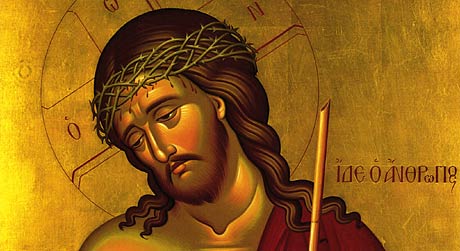
bridegroom-01

…the Bridegroom’s come, the barren fig tree cursed, the annoying Pharisees silenced.  And so begins the voyage to the “great feast of the Greeks”: our Eleusinian Mysteries, our Hajj, our Bayreuth; our Chaucer; our Shakespeare; our Mozart, our Beethoven and Wagner.  A seven-night and seven-day oratorio; the central narrative of Roman civilization.  “Come and see” if you can.

“All that is good is inherited…” — Nietzsche, Paris and me…

12 Apr

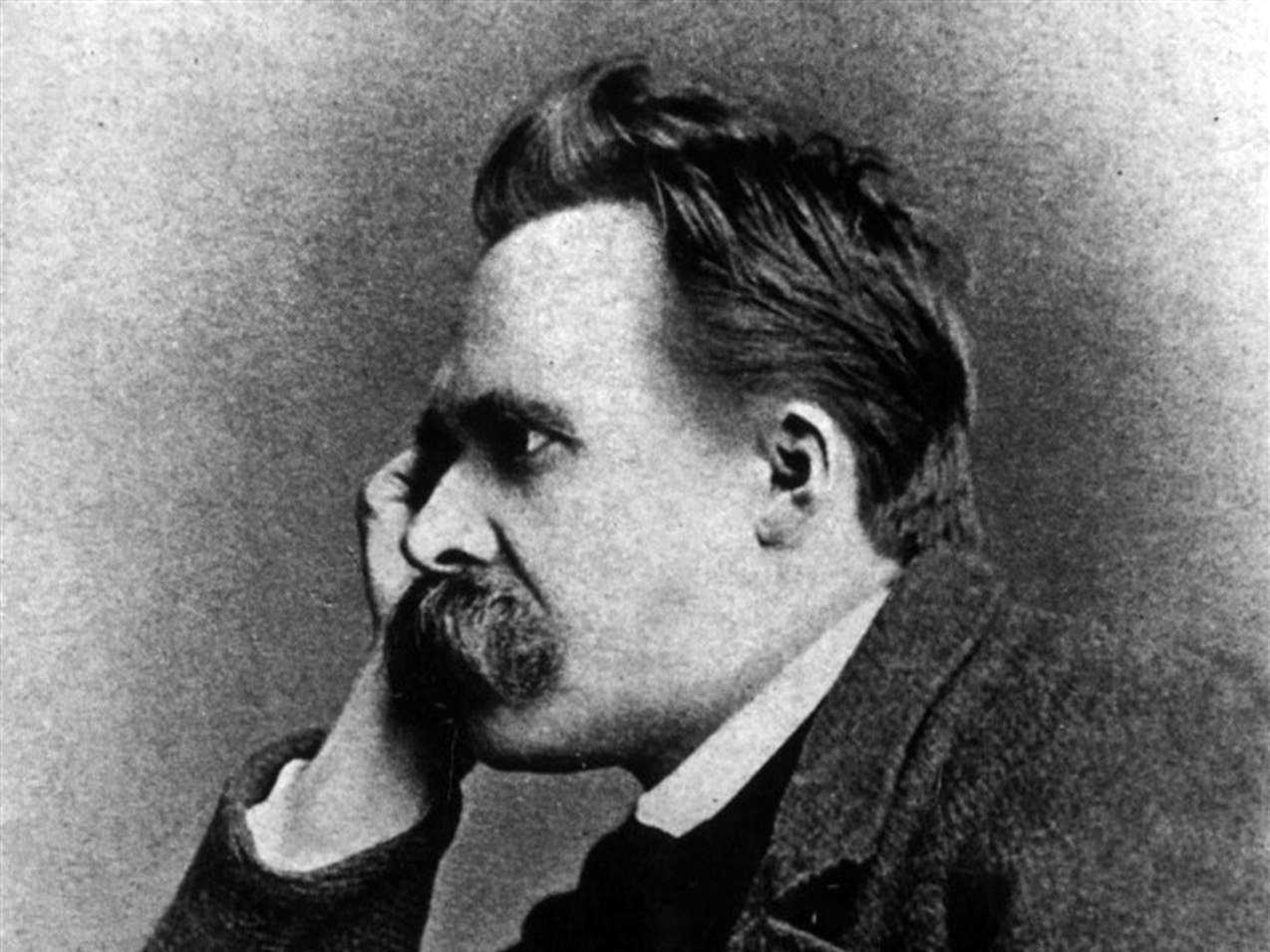
1 Nietzsche, Friedrich - Portrait, 1860

(click)

Rereading my post on leaving Paris: “Leaving…” (March 2), particularly the phrase: “And all marked by the supremely intelligent understanding that it all starts on the surface — that that’s what counts — and that it works its way down from there,” —  and all of my posts on France: “Toulouse: Who ever lov’d that lov’d not at first sight?” , it struck me how colored they were by early university readings of Nietzsche, particularly these two passages from The Will to Power, here taken from Walter Kaufmann’s translation, emphases from the original:

       “Beauty no accident. The beauty of a race or family, their grace and graciousness in all gestures, is won by work: like genius, it is the end result of the accumulated work of generations. One must have made great sacrifices to good taste, one must have done much and omitted much for its sake – seventeenth-century France is admirable in both respects – and good taste must have furnished a principle for selecting company, place, dress, sexual satisfaction; one must have preferred beauty to advantage, habit, opinion, and inertia. Supreme rule of conduct: before oneself too, one must not “let oneself go.” The good things are immeasurably costly; and the law always holds that those who have them are different than those who acquire them. All that is good is inherited: whatever is not inherited is imperfect, is a mere beginning.

       “In Athens, in the time of Cicero, who expresses his surprise about this, the men and youths were far superior in beauty to the women. But what work and exertion in the service of beauty had the male sex there imposed on itself for centuries! For one should make no mistake about the method in this case: a breeding of feelings and thoughts alone is almost nothing (this is the great misunderstanding underlying German education, which is wholly illusory): one must first persuade the body. Strict perseverance in significant and exquisite gestures together with the obligation to live only with people who do not “let themselves go” – that is quite enough for one to become significant and exquisite, and in two or three generations all this becomes inward. It is decisive for the lot of a people and of humanity that culture should begin in the right place – not in the “soul” (as was the fateful superstition of the priests and half-priests): the right place is the body, the gesture, the diet, physiology; the rest follows from that. Therefore the Greeks remain the first cultural event in history: they knew, they did, what was needed; and Christianity, which despised the body, has been the greatest misfortune of humanity so far.”

and:

“One thing is needful. “Giving style” to one’s character – a great and rare art! It is exercised by those who see all the strengths and weaknesses of their own natures and then comprehend them in an artistic plan until everything appears as art and reason and even weakness delights the eye. Here a large mass of second nature has been added; there a piece of original nature has been removed: both by long practice and daily labor. Here the ugly which could not be removed is hidden; there it has been reinterpreted and made sublime… It will be the strong and domineering natures who enjoy their finest gaiety in such compulsion, in such constraint and perfection under a law of their own; the passion of their tremendous will relents when confronted with stylized, conquered, and serving nature; even when they have to build palaces and lay out gardens, they demur at giving nature a free hand…  For one thing is needful: that a human being attain his satisfaction with himself – whether it be by this or by that poetry and art; only then is a human being at all tolerable to behold. Whoever is dissatisfied with himself is always ready to revenge himself therefore; we others will be his victims, if only by always having to stand his ugly sight. For the sight of the ugly makes men bad and gloomy.”

It’s easy to mock these — Nietzsche is an easy and cheap target — grandiloquent, sweeping statements of aristocraticness from a man who, in reality, was a socially inept, painfully shy and anxiety-ridden pastor’s son, who got through most of adult life on mountains of “mother’s little helpers” and whose last, lucid moments of consciousness of the world were spent weeping next to a dying horse on a street in Turin.  But I say more the mangia that accrues to him for seeing and calling life and existence as he felt them to be — or should be ideally —  even if he himself could not be that heroic ideal.  And not doing what most of us do: cater our credo and worldview to match what we already know are our limitations.

All that is good is inherited: whatever is not inherited is imperfect, is a mere beginning...” seems particularly true to me, as unfair as it must seem to some.

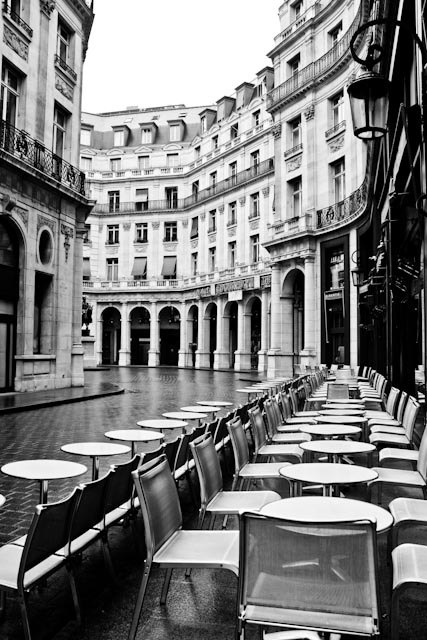
Paris chairs Rebecca Plotnickil_570xN.269434329photo: Rebecca Plotnick

Comment: nikobakos@gmail.com