Tarlabaşı I

29 Jul

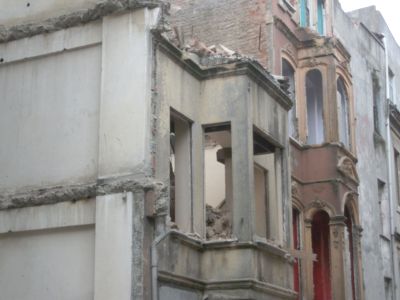
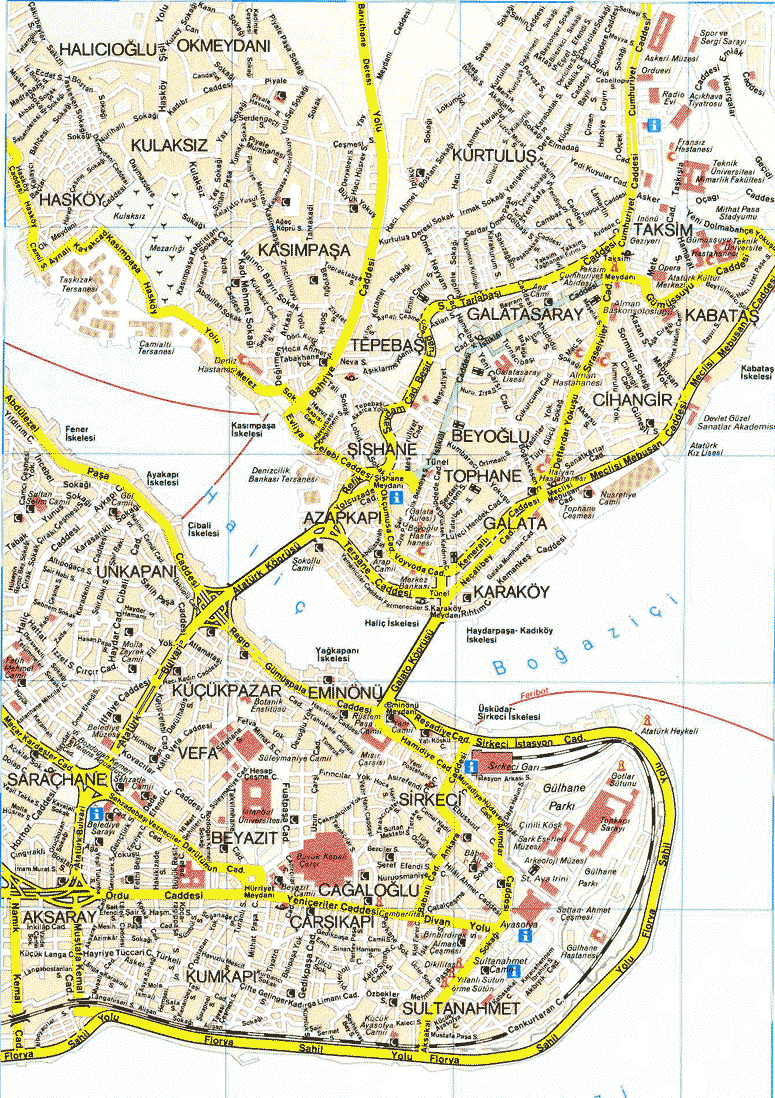
Of all the martyred neighborhoods of old İstanbul, probably none has been the object of such concentrated abuse as Tarlabaşı in Beyoğlu, the mahalla that covers the north-by-northwest slope down from the İstiklal Caddesi (the “Jadde” of this blog) to Dolapdere, the old parish of Hagioi Konstantinos and Helene, the neighborhood dissected by the yellow artery called Tarlabaşı Bulvarı on the first map below, running between Taksim and Tepebaşı, then down to the Horn at Şişhane.  Beyoğlu is the municipality that pretty much encompasses that entire triangle on the northern side of the Horn, which previously contained, if not most of the City’s minority neighborhoods, then — till the fifties — its densest concentration of them.

(click on maps)
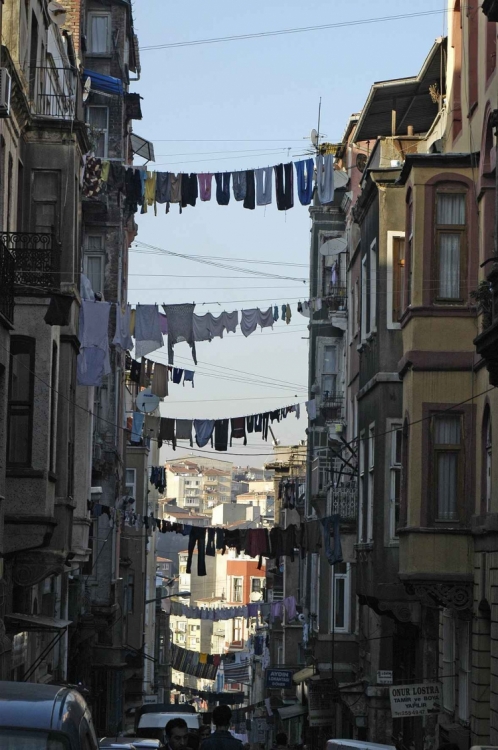
Always a working-class neighborhood, the three or four-story brick and plaster houses of Tarlabaşı were always smaller and narrower, with lilliputian cumbas, than that of the townhouses and apartment buildings of Pera or the nicer, upper neighborhoods of Galata; that’s still how you can tell you’ve wandered down into Tarlabaşı.  But as went the rest of Beyoğlu, so did Tarlabaşı.  Anti-minority legislation, too complicated to get into here, caused an exodus of the area’s population; the one piece we might most want to credit with the decline of the area was the deportation in the early sixties of any Greeks in İstanbul that held dual-citizenship, close to half the community (but what a dream-world that seems like now, where one could have both), under conditions that made it impossible to dispose of property correctly or re-enter the country in order to do so: confiscations essentially.  The Republican bourgeoisie decamped decades before to what are the still posher areas to the north, thousands of buildings in the group of neighborhoods we’re talking about were left empty and ownerless (or technically, property of the municipality), and either almost falling down or squatted in by migrants from rural Anatolia.

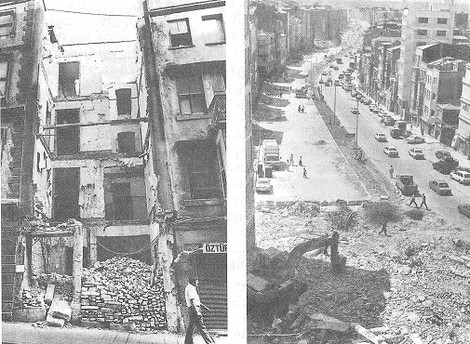
Then came a move in the 1970s or 80s — I’m not sure — that indicated just how dead and beyond redemption the city government considered the whole area to be.  A six-lane highway (yes, a highway essentially), Tarlabaşı Bulvarı , was driven through the heart of the neighborhood from below Azapkapı to Taksim (though it’s not known as Tarlabaşı Bulvarı for its entire length).  It split Tarlabaşı in half: a giant Moloch that is one of the world’s most hideous and anti-urban thoroughfares – the equivalent of what Robert Moses wanted to build through the now most vibrant neighborhoods of downtown Manhattan.  It’s such a crucial axis that one can’t help but think that some form of it existed before, but not widened to this degree and not to accommodate this kind of traffic. 

On your left, heading up towards Taksim, were left the sagging facades of a rotting neighborhood.  To your right, there were no facades at all, just the sides of walls that abutted old, demolished buildings and seemed ready to fall themselves.  The dust still seemed to be everywhere.  The “boulevard” runs just under the ground floor windows of the Pera Palace’s kitchens: you can peek in if you’re fast enough, but most likely you won’t have to be so vigilant because you’ll be stuck in traffic.  It destroyed one of the most famous and romantic views of İstanbul, out west over the Golden Horn, from one of the most elegant streets in Pera that abutted a small Catholic cemetery, Les Petits Champs des Morts (I don’t know if that’s what the street itself was called too; Greeks called it “ta mnematakia,” the little gravestones – now the Meşrutiyet Caddesi), and though the view is still there, you now have to view it from above the din and diesel fumes of trucks and buses in first gear groaning up the hill and curves of the boulevard, and from one of the saddest little corporate plazas of one of the saddest and already decrepit convention centers in the world that was built over the little cemetery.
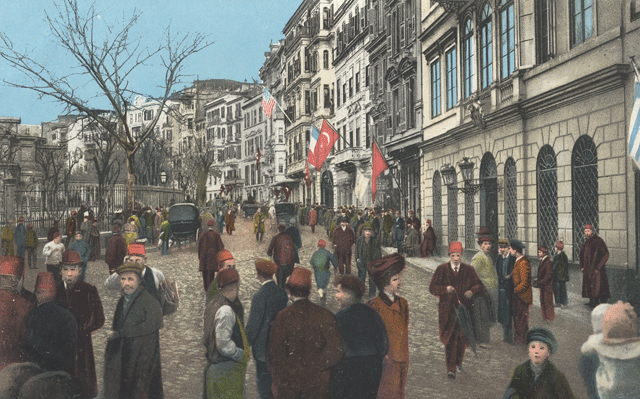
Les Petits Champs des Morts, now the Meşrutiyet Caddesi, also one of the sites of the 2003 bombings (below)

Much of Beyoğlu followed the urban gentrification patterns of most of the world’s inner cities after the nineteen-nineties, but this time Tarlabaşı didn’t follow the rest of the area.  Just like all the sharpest New York realtors in the city will never make the Bushwick ‘hoods east of the BQE, “East Williamsburg;” just the way the Cross-Bronx Expressway severed the South Bronx forever from the natural fabric of the rest of its borough and forever destroyed it, eventually leaving it a bombed-out shell; there was no saving Tarlabaşı; the upper Pera-adjacent areas remain sleazy; the Cross-Bulvar, down-slope neighborhoods even more so and desperately poor.

But now the Beyoğlu municipality has a plan.  May Christ, the Virgin and the Prophet, Peace be Upon Him, save your City from “Plans.”  (Or as Mexicans say: “If you wanna make God laugh, tell Him your plans.)  They’re going to save Tarlabaşı by remodeling the fatal dissection that was inflicted on it in the first place.  They’re going to make Tarlabaşı Bulvarı the “Champs Élysées” of İstanbul.  Just the terms and references they use to refer to the project reveal the AKP and Turkey’s neo-Muslim middle-class in all its philistine glory.  One sometimes hopes that all of Beyoğlu would become instantly gentrified overnight – gay martini bars and everything, the works — just so there would be no one left there to vote for them.  Either way, the crowds from Saudi and Kuwait will love it, which may point to one more of the project’s painful, eventual consequences: the new “boulevard” may draw all the Luis Vuitton and Max Mara type business (for tourists who don’t know how to find them in Teşvikiye or Maçka), and condemn the İstiklal to low-end shabbiness again.

(Please see this great website: Tarlabaşı İstanbul for any and all information on the neighborhood and the upheaval it’s going through — again)

Done cringing?  Here’s more.  They’re going to line it, as far as I know, with “Ottoman-style” townhouses and wide, pedestrian-friendly sidewalks.  Which will only mean more demolitions and the final displacement of the mahalla’s rural, migrant populations – people with even fewer resources than the minorities of the area displaced before them — deeper into the suburban anonymity and the intolerable distances of the metropolis’ commuter Bantustans.
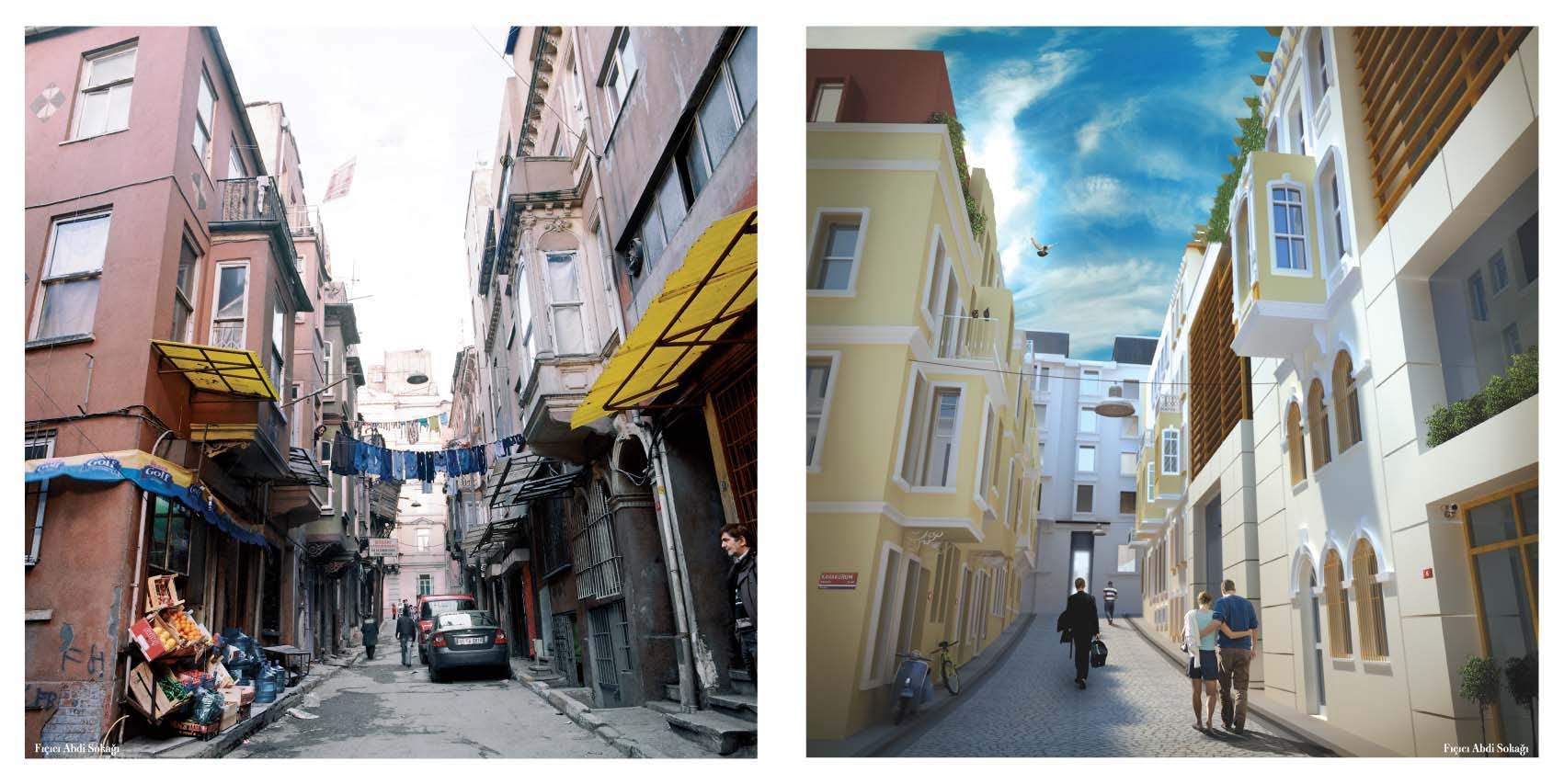
A before and after of Fıçıcı Abdi Sokağı — happy blonde couples, a salaryman with his briefcase, no more laundry or Kurds or unsanitary manavedes, and — of course — a bicycle.  (Click — you must click to appreciate the sheer and nauseating classism of these images)

Where are the Jews of the South Bronx, once New York’s largest concentration, after Moses drove his Cross-Bronx nightmare through the heart of the borough?  Its Italians and their marketplaces?  Or its old Puerto Ricans?  Out.  Done.  In Great Neck, in Staten Island, up in Kingston, disappearing into gringoland, or back in PR, and no longer contributing what they used to to the rest of the city.  Maybe finally the Beyoğlu municipality can consult Bloomberg – a Boston philistine if there ever was one — on building bicycle paths up and down the hill.  Then there’ll be parking permits for Beyoğlu residents only and exorbitant fines if you dare to violate them, and our Pera will be about as exciting as Cambridge.

And you’ll always feel the nagging guilt of a paper you have to write whenever you’re there.

Finally, one can only imagine what the AKP planners have in store for the point where Tarlabaşı Bulvarı finally reaches Taksim.  Taksim is often described as İstanbul’s central square but it is and has for a long time been only an ugly traffic intersection.  Like Columbus Circle in New York, it’s been an almost impossible space to beautify and like a dish that starts off badly, the more you try to fix it –maybe some more salt, maybe some more water — the worse it gets.  It’s the top of a hill; the peak of the Pera ridge actually, and it has a top-of-the-hill, convex feel, but without having any views around it, which is very physically disconcerting.  More than one Modern Greek fiction source says that there used to be a view.  On top of that, none of the surrounding buildings refer in any way to the shape of the space, all their facades facing the streets that run off the square and not the square itself, and there’s a park on the north that I’ve never actually gone into (maybe there’s a view from there) but is fronted by an unattractive strip mall of shops, though on the south side the wide plaza that’s been formed by the pedestrianized Jadde’s entrance into the square, against the stone building which I’ve never managed to learn the identity of (on the right of photo below — is that the reservoir?), is very pleasant and piazza-like.
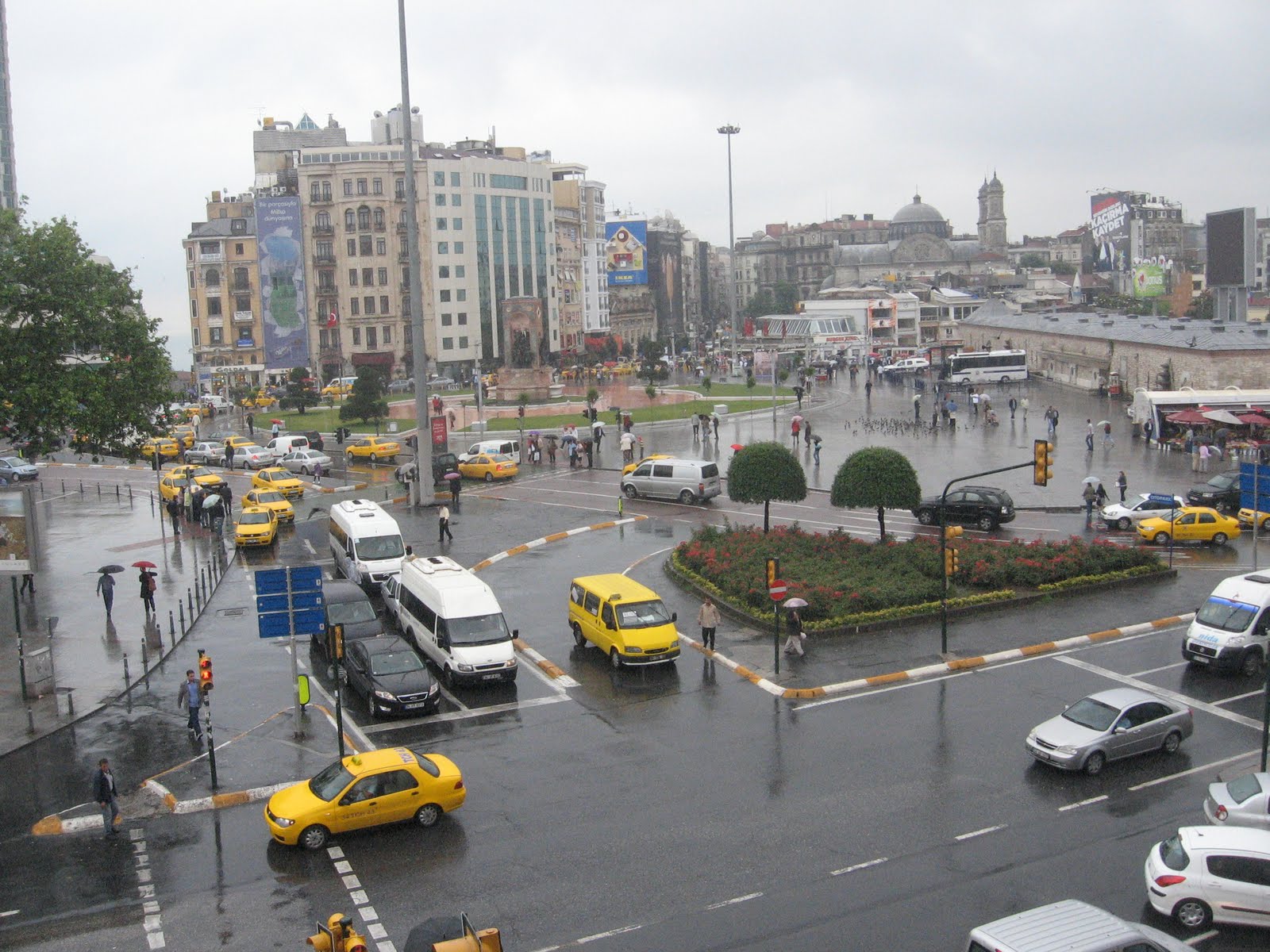
Taksim (click)

Anyway.  Islamists in Turkey, light, dark and in-between, have long had a hard-on for the fact that the single most prominent and attractive building that looms over Taksim is the Greek church of the Hagia Triada with its cross-topped dome and bell-towers (see below).  They keep vowing, over and again, to counter that with something, and surely, even if it’s not part of this Tarlabaşı Yenileniyor project, it’ll be some kind of Neo-Islamist, Emirates-type monster in the end, which gives us a lot to look forward to.  The flower vendors will sure be gone.  More to come.

Hagia Triada (above and below — click)
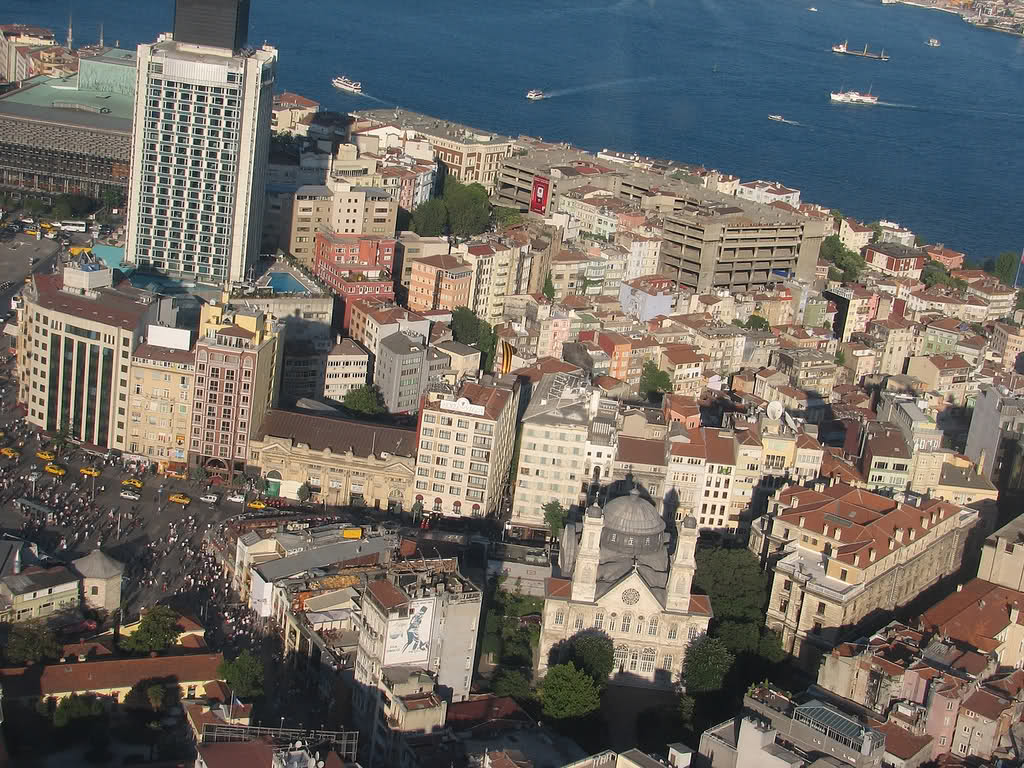
Hagia Triada and, off the right side of the facade, the impressive Zappeion Girls’ Lycée, once one of the most prestigious Greek high schools in the city, sister school to the Zografeion Boys’ Lycée, further down near Galatasaray.  The Zappeion new, below; see this website of someone who’s made a short documentary on the school: Zappeion
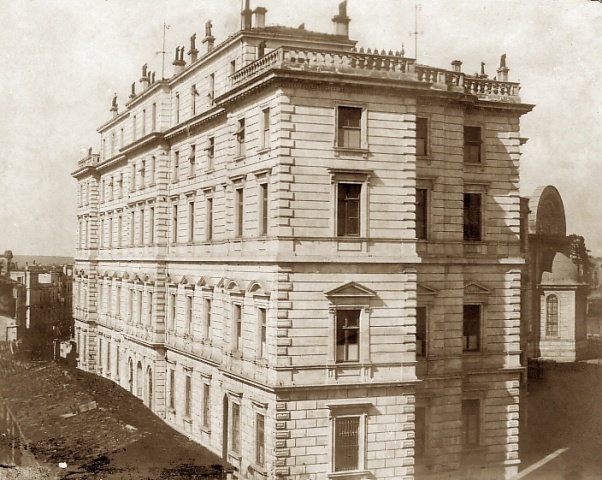
The entrance to the Zografeion (below)

Comment: nikobakos@gmail.com

See Tarlabaşı II and Tarlabaşı III

Serbia crushes Hungary! 14 – 0

29 Jul

Serbia beats Hungary 14-10 in a great water polo match.  The Hungarian team hadn’t lost a match in twelve years.

Hungarian goalkeeper Zoltan Szecsi

LONDON | Sun Jul 29, 2012 12:14pm EDT

(Reuters) – Serbia upset defending champions Hungary in a thrilling early water polo group match on Sunday, powering to a 14-10 victory and signaling to the Hungarians that they a have a huge battle on their hands to win a fourth consecutive Olympic gold medal.

In a match fought out with the intensity of a final, the two favorites matched each other goal-for-goal in the first half, before European champions Serbia took command with a prolific third-quarter performance.

The defeat ended water polo super power Hungary’s unbeaten run of 17 games at the Olympics. They last lost a match 12 years ago in the group stages in Sydney.

The high-scoring match, full of the aggression and physicality for which the sport has been renowned since the 1956 “blood in the water” match, thrilled a stadium packed with 5,000 fans and each Hungarian goal prompted roars and chanting from a crowd awash with Hungarian flags.

The match was the first in Group B, the so-called “group of death” which features the top four-placed nations from the Beijing Games.


Comment: nikobakos@gmail.com

‘K guys, you can pull your pants up now.

29 Jul

Mitt in Israel…maybe the only foreign country that’s an obligatory campaign stop in an American presidential election,

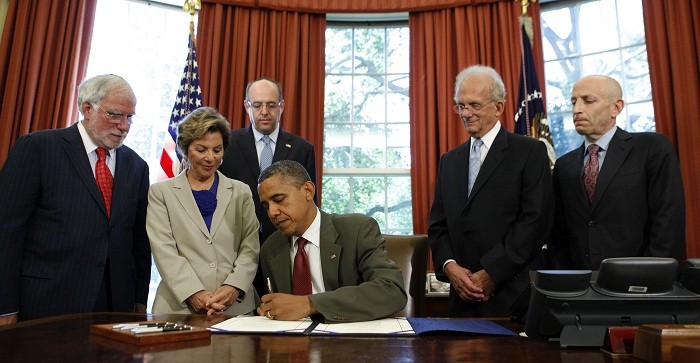
…as Obama signs away $70 million to them for their new “Iron Dome” rocket defense system, whatever that is, on the same day.


Comment: nikobakos@gmail.com


Syria Redux

28 Jul

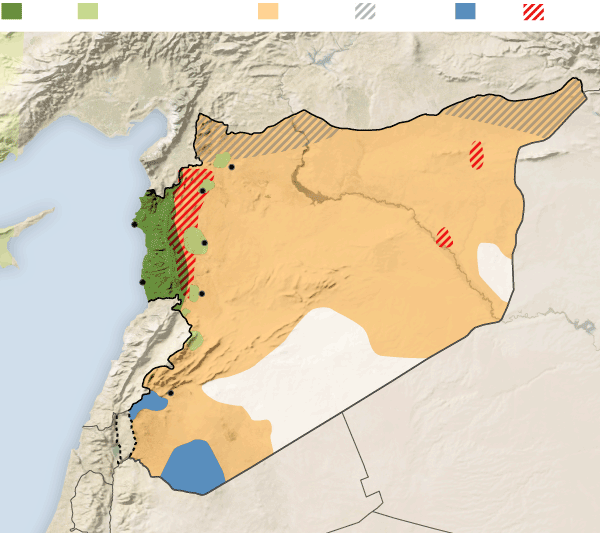
Just much more inteliigent and thoughtful: “Syria After the Fall”

Dark Green: Alawites; Light Green: “Other” Shiites; Red: Christian; Beige:Sunni; Grey: Kurds; Blue: Druze


Comment: nikobakos@gmail.com

Photo: Syria’s Free Army

28 Jul

(click)

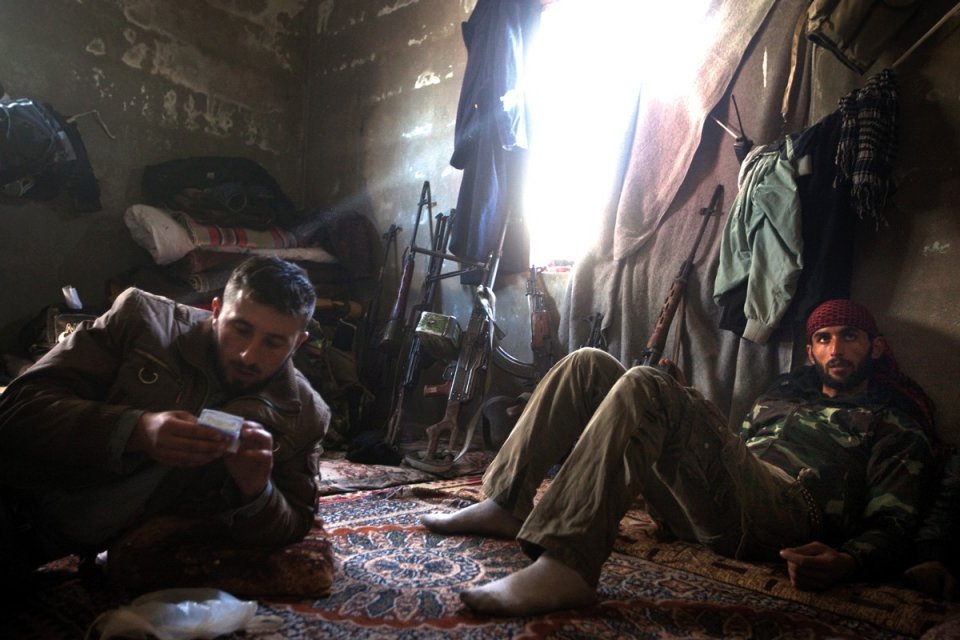
A great photo of Syrian resistance fighters by Greek photographer Giorgos Moutafis.  See the rest of his work here and his account of how he got them here: Syria’s Free Army.  The most moving line of his account: “What moved me about these people is that, realizing the imminent danger, they took us to the border. But they didn’t follow us. They went back to defend their village.”

 The Daily Beast has a great, constantly updated Syria  page, that could be the one place you need to go for everything you need to know — there and Al Jazeera, of course.

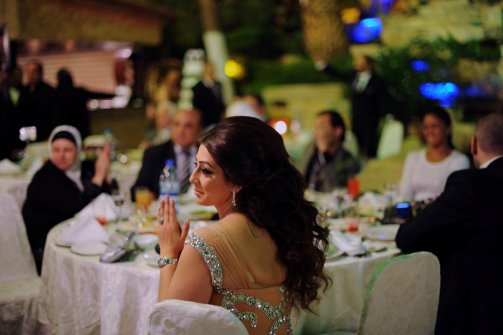
 One great story from the Beast, about how the country’s urban elites party on as Syria burns: “Champagne Flows…

See more photos from Kate Brooks and story here: Syria’s Thriving Elites


Comment: nikobakos@gmail.com


Syria, the end of Assad, and Alawites

27 Jul

The New York Times recently published a piece in its “Opinionator” blog section by Frank Jacobs, ” A Syrian Stalemate,” which makes the very interesting, but highly improbable, if not probably completely implausible, suggestion that one answer to the Syrian civil war is for Assad to retreat to his Alawite mountain homeland on the Mediterranean coast and form an independent statelet there:

Ah, a Lebanon, you mean?  What an unparalleled success story that was — let’s try that again.  At least he accepts the comparison.  Oh, and I see his got a little Hawran homeland for Druze too.

The breath-taking stupidity of this argument is not all that stupid really as it is completely a-historical and uninformed.  The victorious Free Syrian Army — whose victory this layman thinks is only a matter of when, not if — will never accept the secession or loss of the last piece of Syria’s coastline (Lebanon; then Alexandretta), and the only thing something like that might lead to is an exponential escalation of violence and a massacre of Alawites, not to mention other minorities, of a scale that’ll take us back to the ugliest events of the early twentieth century.

But if that’s ancient history for any of us, let’s just go back to the 90s and Yugoslavia.  Aside from the cynical geopolitical interests that were the catalyst for that nightmare (you know; I never thought I’d catch myself saying what I had previously considered a dumb cliche, like that the current Eurozone crisis is the third time in less than a century that Germany has destroyed Europe — Germany and Draghi — but actually this may be the fourth time; Yugoslavia was the third), there were two basic populist “reasons” that explained the support in the West given to the unnecessary, vicious dissection of that country: a confused muddle of remnant eighteenth-and-nineteenth century romantic ideas about the “self-determination of peoples” mixed up with the whole deluded late twentieth-century ideology which we’ll just put under the umbrella of “multiculturalism” for now.  “Why don’t Bosnians deserve their own country (the former)?”, Upper West Side Sontagians cried and wrang their hands, and “Why can’t everyone in that most fascinating, multicultural part of Europe get along (the latter)?”

Cutting places up into little countries doesn’t work; there’ll always be some bunch that want their own littler country.  Hopefully, nobody will ever, ever take this proposal seriously, though Jacobs says that there’s an actual escape plan for just that in Assad vaults somewhere.

But this is the point that Jacobs gets around to that I found almost as upsetting:

“Although officially a Shiite sect, with reputed syncretist elements borrowed from Christianity and other confessions, persecution by mainstream Islam as heretical has made Alawis wary of declaring their innermost beliefs. Ironically, decades of dominance may have further weakened the communal identity; Assad père et fils have always striven to narrow the perceived difference between Alawism and mainstream Islam as a way of legitimizing their regime. This enforced “Sunnification” may have effectively erased much of the theological differences with other Syrians.”

My Muslim inclinations are generally Shi’ia — forgive me the presumption of having any Muslim inclinations at all, obviously.  But I love the blood and the mystery; the Persian lack of, or better, resistance to, Arab image-phobia; ta’ziyeh; the Christ-like martyrdom of Hussein and the Virgin-like laments of Zeynep; Asure is my favorite holiday; and generally I think faith should be about passion and emotion and sacrifice and not moralism or the Law.  So anything that chips away at the monolith of any of our Great Abrahamic Religions of Peace, I’m for.

Like I’ve said before here and here.   The Donmeh-like “Sunnification” of Alawites in Syria; Alevis in Turkey, whom centuries of violence and Sunni persecution (centuries? like until the late twentieth…) have made such staunch secularists that one doesn’t even know what they practice anymore if anything; it’d be a shame to lose such fascinating, heterodox groups and their rites and cosmologies out of indifference or because hiding has had to become such second-nature for them.

And also like I said before, I don’t know how “officially a Shiite sect” either consider themselves.  In the Syrian case, at least, Iran could just be cynically using the Alawites as a Levantine power-base and vice-versa.

As for the Bektashis, who were once a Sufi order, they got tired of the Turkish Republic’s hospitality and moved their headquarters to Tirane at some point and recently, I think the 1990s, declared themselves a branch of Islam separate from both Sunnism and Shi’ism.


Comment: nikobakos@gmail.com

Excellent!!!

26 Jul

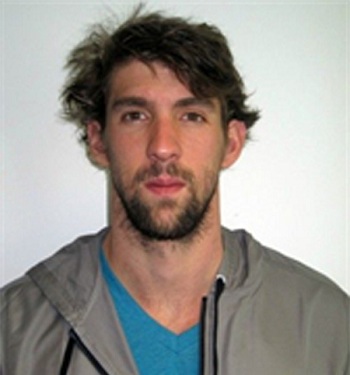
The photo Phelps took for his Olympic I.D. card in London.  He had just gotten up from a nap.  “That’s a hot picture,” Phelps said, laughing…

Maybe he’s finally matured enough to give the gossip-sphere the finger.


Comment: nikobakos@gmail.com

Michael Phelps

26 Jul

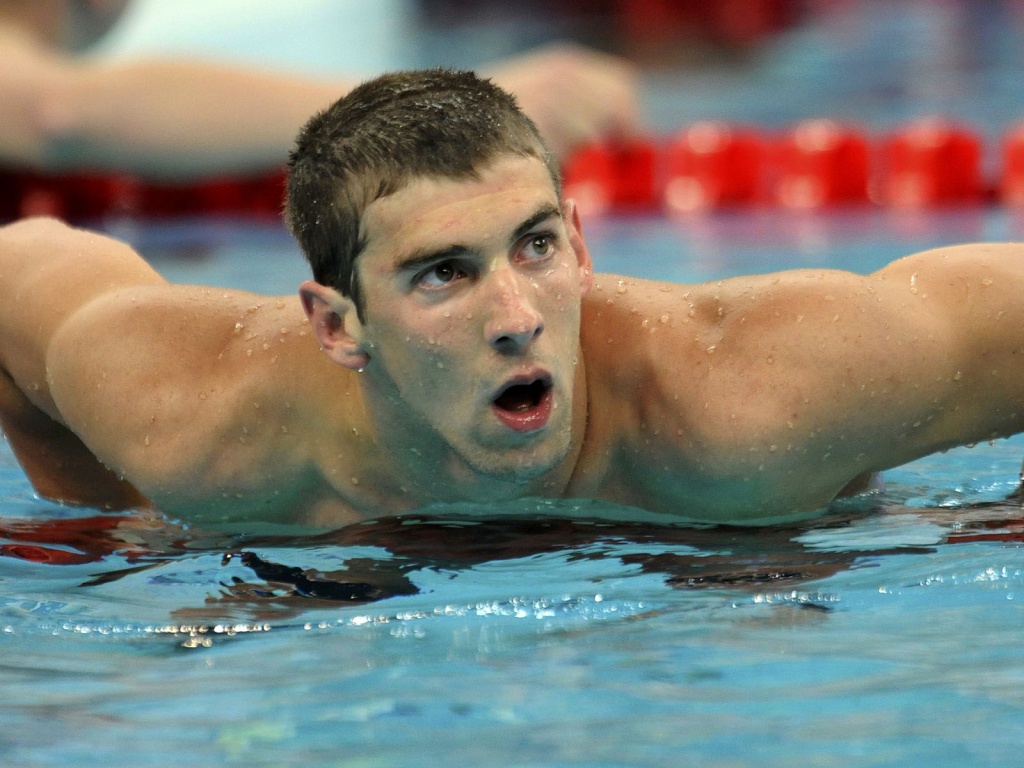
Another favorite athlete.

Michael Phelps, of course, has been let out of the mothballs of American moralism for a few months now.  He brought his polis glory at Olympia, did good by the friggin U.S. of A for a long time and then was clapped in the stocks and packed away into a closet for the major crime of having taken a bong hit of some plain old weed like everyone else.  Subway, I think, never totally withdrew their sponsorship, but, in general, the kid was abandoned for years till some commercials started reappearing again recently – but the whole thing, until the absolute eve of the Games, has been kind of low key and sotto voce.  “60 Minutes” had an interview with him Sunday night that I didn’t stand to watch for cringe of the sorries and guilts and mea-culpas that his p.r. people are probably still making him recite.  In any event, it’s obvious from the spate of light porn ads we’ve been subjected to that Ryan Lochte is the media’s swimmer sex-star for these Olympics, though there’s no indication — as London preliminaries have shown — that he’s as fierce a swimmer as Phelps.

Here’s a piece that I wrote back in 2009 when Mikey committed his major crime because I was so enraged by the whole incident, complete with American sheriff huffing and puffing about putting the bad guy away.  It’s not just about Phelps; it’s about athleticism, manhood, heroism and the twisted, perverted notions of all of the above that contemporary America suffers from, and as America goes, the rest of our world; one always wants to hope not, but one’s hopes are usually disappointed.

*****************************************************************************************************************************************************************************************

February 2009


I’m writing to everybody because I think it’s important for as many of us as is possible to speak out against one of our most recent episodes of moral nonsense: the Michael Phelps issue with the bong picture and the whole issue of the criminalization of marijuana generally

My main intent is not to argue in favor of the decriminalization of marijuana use, but I have to start there to move further.  There are people better equipped than I am to argue that case, but I just need to state clearly that keeping marijuana use illegal is ridiculous and that eventually it’ll be recognized as an even bigger and more futile moral absurdity than Prohibition was.  Unfortunately that recognition will not help the people who have been harassed and incarcerated for it, the young people whose records have been pointlessly marred with meaningless arrests, the minors trapped in America’s private jail gulag, or those whose already underprivileged lives have been damaged irreparably by these laws.

I’ve never even smoked pot, but the moral randomness of this position is so mind-boggling that it makes my hair stand on end.  I’m not a doctor or a biochemist, but I can tell you for a fact that marijuana use is not even close to as destructive as even casual alcohol use can be.  And I can tell you with even more certainty that it’s not nearly as damaging to the body and spirit as the garbage that two-hundred million obese Americans shovel into their mouths every day without any legal interference at all.  McDonald’s will kill you or radically lower the quality of your life far faster than pot will – in fact, I think it should be illegal.

But beyond that, what I most want to put out there is my disgust at the spiritual and aesthetic bankruptcy of American culture that this whole circus has once again revealed: not just the trite outrage, the moralizing, the canned language of the ridiculous apologies and Protestant confessions, or the Puritan hand-wringing which always carries with it that nasty whiff of pure persecution that it has so often slid into in our history and into which it can easily slide again.  Spiritual and aesthetic bankruptcy are equivalent states – I can’t think of a better way to put that right now; how about “it is meet and right” to honour the beautiful — and even more than the unjust scapegoating and even real civil rights abuses this kind of stupidity can lead to, it’s another kind of emptiness that galls me: the fact that Michael Phelps is nothing for us but someone we can rip apart like this; that we’ll commodify him or trash him, but no sense of greater meaning ever comes from who someone like him is.

What do I mean?  I mean that in a healthy civilization Michael Phelps would put on his crown of laurels, call a press conference and say: “I’m Michael Phelps and fuck all y’all…”  And he wouldn’t even raise his voice.  “Look at me. I got fourteen gold medals. I’m a god.”  And step away – sorry, no questions.  Because gods don’t even apologize for their crimes, much less their little pleasures that are none of your business anyway.   But he can’t do that because we’re too little.  We’ve lost the sense of awe or worship or grandeur that could have received that.  We no longer understand a radical assertion of self; shitty selfishness we get alright — in the disgusting immorality of our politics and of our business and economic practices — but a radical assertion of power or beauty or manhood just freaks us out and we’re blind to the spring of good things that assertion can become for all of us.  We don’t know what to do with him.  We don’t even know how to destroy him, how to dismember him and eat him like some captive Aztec deity in the hope that we’ll gain some of his strength that way or be saved or whatever it is one wants out of absorption of the numinous.  So we make this magnificent kid grovel and humiliate himself for no reason.  And then we feel better about our own misery and impotence and impoverished spiritual world.

Carlyle said: “Great souls are always loyally submissive, reverent to what is above them; only small, mean souls are otherwise.”  Mean souls is right.  The whole sickening schadenfreude again, which that poor pendeja Paris Hilton didn’t even deserve, much less Phelps…  The wholly squirrelly attitude of  “ha, ha, big stud who thought he was above the law gets taken down a notch…put in his place…” even from intelligent quarters like the New York Times, like this inane piece of pettiness and daddy-preaching from George Vecsey.  We’ve lost any sense of real pride in a phenomenon like Phelps, but we’re all so quick to point out hubris when we think we see it.

Everybody is so happy to call him a dork now, a stoner, a callow fratboy.  But if we see him as nothing but a callow fratboy, that’s our problem, not his; it’s because we don’t recognize the Divine in anything anymore.  If you can look at Michael Phelps and not see the innocence of a Parsifal or a Galahad, you’re the callow one.  And if you don’t see that innocence, it’ll never be transformed into the heroism or strength of a Parsifal or a Galahad either.  You’ll dumb him down and box him in with ethical pettiness — meaning castrate him — so he stays like you.  You just see fratboys, so you’ll get fratboys; all that’s proof of is how far your spiritual imagination extends and that we’ll continue to progressively slide even further into a nation of callow fratboys than we already have.  Every culture gets the culture it deserves.

Kellogg’s dropped their sponsorship of Phelps….  Oooooo….  We’ve let Kellogg’s – Kellogg’s, malaka! the cereal! the vendor of bad carbs and high fructose corn syrup! — become a voice in this fake moral debate.  I wonder what the folks at Oscar Meyer have to say…or Wonderbread…or Pop-tarts, though I’m sure one company owns all of them.  We obviously haven’t turned a single page since the 50s then, and we deserve no sympathy.

Meanwhile, the first thing I thought when I saw that photo and the only real moral issue that it raises for me — the issue of who that scumbag was, the “friend” or fellow partier who took that picture and distributed it to the media — isn’t ever even mentioned!  The betrayal, the cheapness, and the way we cheaply use this traitor’s cheapness as an opportunity to do our moralizing and to turn Phelps into Hester Prynne, that he was probably even rewarded for it…. THAT doesn’t seem to scandalize or bother anybody!  Apparently betrayal and opportunism are now American moral ideals but the simple pleasure of a bong, enjoyed by a kid who more than deserves it and made us so proud…THAT’S a crime….

So, here’s some Cavafy that I think says it all — at least for those who “understand and step aside:”

One of Their Gods

“When one of them moved through the marketplace of Seleucia
just as it was getting dark—
moved like a young man, tall, extremely handsome,
with the joy of being immortal in his eyes,
with his black and perfumed hair—
the people going by would gaze at him,
and one would ask the other if he knew him,
if he was a Greek from Syria, or a stranger.
But some who looked more carefully
would understand and step aside;
and as he disappeared under the arcades,

among the shadows and the evening lights,
going toward the quarter that lives
only at night, with orgies and debauchery,
with every kind of intoxication and desire,
they would wonder which of Them it could be,
and for what suspicious pleasure
he had come down into the streets of Seleucia
from the August Celestial Mansions.”

(Translated by Edmund Keeley/Philip Sherrard)

So step aside creeps and shut up — and be grateful you were there to see him pass.

(Below is the original Greek and a Spanish translation too)


Ένας Θεός των

Όταν κανένας των περνούσεν απ’ της Σελευκείας
την αγορά, περί την ώρα που βραδυάζει,
σαν υψηλός και τέλεια ωραίος έφηβος,
με την χαρά της αφθαρσίας μες στα μάτια,
με τ’ αρωματισμένα μαύρα του μαλλιά,
οι διαβάται τον εκύτταζαν
κι ο ένας τον άλλονα ρωτούσεν αν τον γνώριζε,
κι αν ήταν  Έλλην της Συρίας, ή ξένος. Aλλά μερικοί,
που με περισσοτέρα προσοχή παρατηρούσαν,
εκαταλάμβαναν και παραμέριζαν·
κ’ ενώ εχάνετο κάτω απ’ τες στοές,
μες στες σκιές και μες στα φώτα της βραδυάς,
πηαίνοντας προς την συνοικία που την νύχτα
μονάχα ζει, με όργια και κραιπάλη,
και κάθε είδους μέθη και λαγνεία,
ερέμβαζαν ποιος τάχα ήταν εξ Aυτών,
και για ποιαν ύποπτην απόλαυσί του
στης Σελευκείας τους δρόμους εκατέβηκεν
απ’ τα Προσκυνητά, Πάνσεπτα Δώματα.


UNO DE SUS DIOSES

Cuando uno de ellos atravesaba el ágora
de Seleucia al caer la tarde,
en la figura de un hombre joven, alto y hermoso,
perfumada la negra cabellera
y la alegría de la inmortalidad en sus pupilas,
los que al pasar le contemplaban
se preguntaban uno a otro si alguien acaso le conocía,
si era tal vez griego de Siria o un extranjero. Pero algunos
que le observaban más atentos
comprendían y se apartaban.
Y mientras él, bajo los pórticos,
entre las sombras se perdía y la luz tenue del crepúsculo
hacia los barrios que despiertan
sólo en la noche para la orgía,
la embriaguez y la lujuria y todo género de vicios,
admirados se preguntaban cuál de entre ellos era éste
y por qué placer equívoco
hasta las calles de Seleucia descendía desde la augusta
beatitud de sus moradas.

Versión de José Ángel Valente

For other Phelps posts see:  “An angry man — that is my subject.” “Ποιόν σοι εγκώμιον προσαγάγω επάξιον, τι δε ονομάσω σε, απορώ και εξίσταμαι”“…απορώ και εξίσταμαι.” , which explains the title of the other Greek-heading post; and “I told you they wouldn’t leave him alone” or check out tag box at lower right.

Comment: nikobakos@gmail.com

The new background…

24 Jul

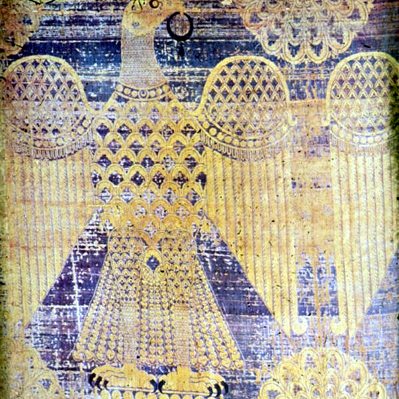
…is a 6th century Sassanian silk textile — pre-Islamic Iran — from the Metropolitan Museum of Art.  This is the culture that is essentially the aesthetic foundation and parent of our entire region, and I think it’s a sufficiently neutral one to not have anyone arguing about “whose” eagle that is.

One can only imagine what it looked like when t was first woven.


Comment: nikobakos@gmail.com

India: Muslim-Hindu Clash Is Deadly

24 Jul

A small story, but part of an enormous story we need to keep our minds on.

By THE ASSOCIATED PRESS — July 23, 2012

A clash between Muslims observing the holy month of Ramadan and Hindus who were offering alms to one of their gods left one man dead and 20 people injured in northern India. The police imposed a curfew on Bareilly, a town in Uttar Pradesh State where the violence occurred. Officials said Muslims offering morning prayers on the second day of Ramadan were upset by devotional singing by Hindus who were on their way to a temple for a regular ceremony offering water and milk to Lord Shiva. The two sides hurled stones at each other, and a 22-year-old Muslim man was shot to death.


Comment: nikobakos@gmail.com