Balkans, Anatolia, Caucasus, Levant and other Middle East, Iran, Afghanistan, South Asia, occasional forays into southern Italy, Spain or eastern Europe, minorities, the nation-state and nationalism — and whatever other quirks or obsessions lurk inside my head.
Check out this cute video from sehr-cute Jewish boy, Nathaniel Drew (kind of goyische-sounding last name? Yeah, I thought so too) who talks to his polyglot grandma about the languages she speaks and how she acquired them.
Money moment at 3:25:
Nate: “We could say you’re a sponge for languages?
Grandma: “Yes” (chuckles)
Nate: “Do you know why you have this ability?”
Grandma: “I love languages. I love learning. I love to know.”
Translation: “I come from a very ancient tradition of Mediterranean and MENA urbanism and cosmopolitanism which was destroyed by the modern ethnic nation-state and its ridiculous ideas about cultural uniformity”
Or…
Translation: “I’m Jewish.”
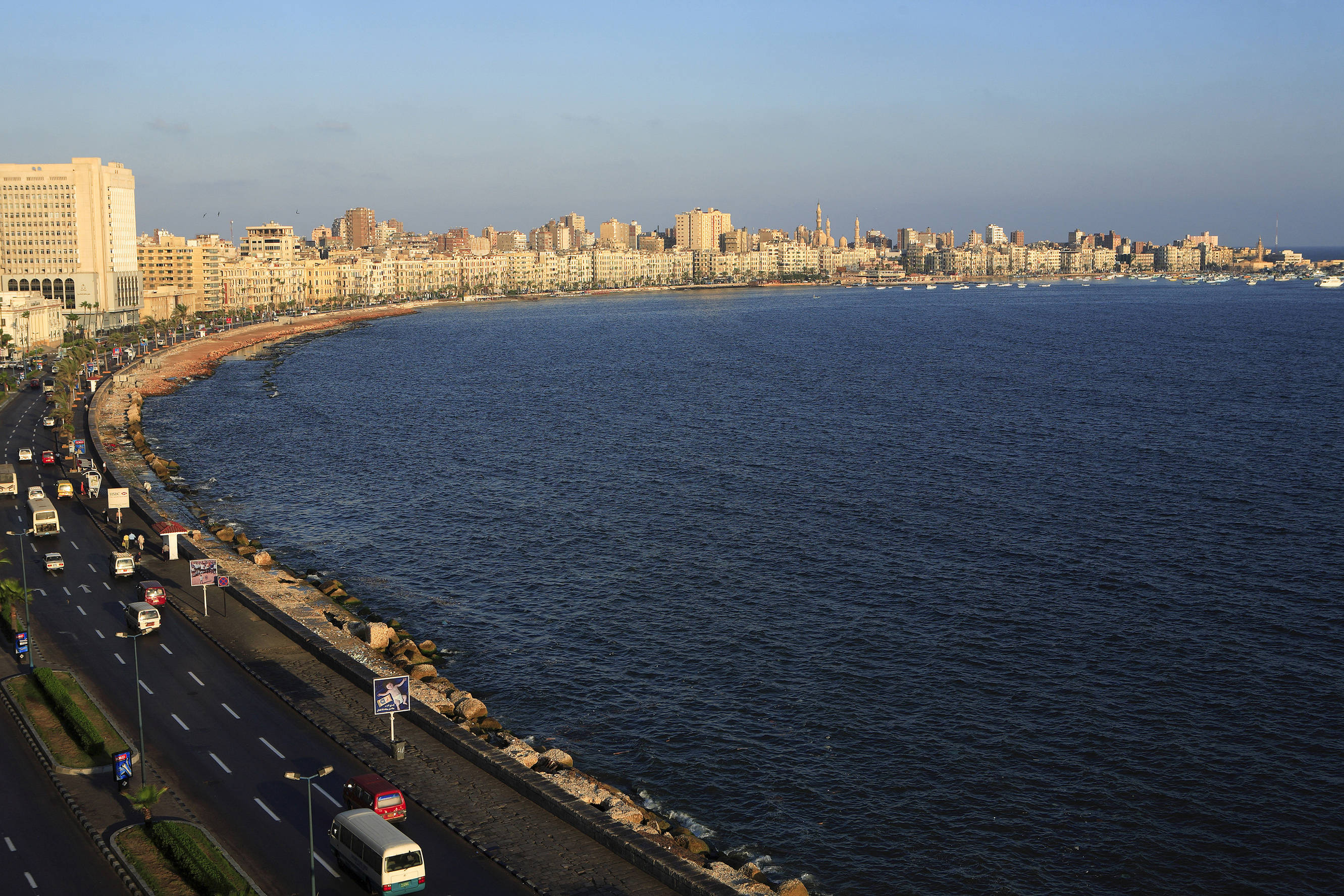
Readers who want to remember the pre-Nasser Alexandria this woman was born in might want to revisit “The Other Homeland” documentary by Yorgos Augeropoulos for Al Jazeera.
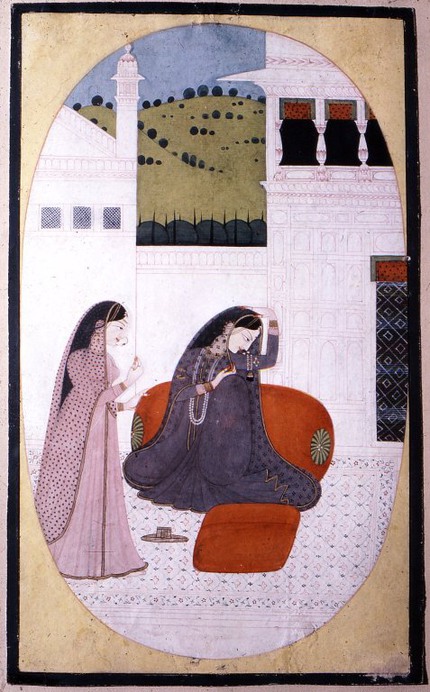
Abhisharika-nayika takes an arduous journey on a starry night, in the dark to meet her lover. Mandi Himachal, ca 1815Abhisarika nayika, “the heroine going to meet her lover”. She turns back to look at a golden anklet, which has just fallen off. There are also snakes below and lightning aboveKhandita rebuking her loverProshita-patika mourning
The full taxonomy below. Assuming that Krishna and Radha come up very often as models for each of these erotic-psychic states, since their love manifests itself in almost every conceivable amorous form, from the most divine and exalted states of theosis, to the most delightfully petty states of betrayal, jealousy, spite, vengeance, longing and depressed insomnia, especially in the Gita Govinda. See also:Radha-Krishna.
1
Vasakasajja Nayika
वासकसज्जा नायिका
One dressed up for union
2
Virahotkanthita Nayika
विरहोत्कंठिता नायिका
One distressed by separation
3
Svadhinabhartruka Nayika
स्वाधीनभर्तृका नायिका
One having her husband in subjection
4
Kalahantarita Nayika
कलहांतरिता नायिका
One separated by quarrel
5
Khandita Nayika
खंडिता नायिका
One enraged with her lover
6
Vipralabdha Nayika
विप्रलब्धा नायिका
One deceived by her lover
7
Proshitabhartruka Nayika
प्रोषितभर्तृका नायिका
One with a sojourning husband
8
Abhisarika Nayika
अभिसारिका नायिका
One going to meet her lover
One of the most fun moments in the Gita Govinda is when Radha, suffering from Krishna’s sleep-around indiscretions with the gopis, the cow girls of Vrindavan, finds the strength to blow off Krishna, and immediately gets “hand” in the relationship, as we used to say, leaving the young prince-god stressed out, depressed and insomnia-plagued. Who hasn’t known the sweet pleasure of successfully turning the tables on somebody you’re involved with like that? “I care nothing for your sufferings.“ as Heathcliff (or is it Catherine?) says in Wuthering Heights; or at least I’ll pretend that I don’t care. Then they reconcile and engage in some raunch-lite love, complete with bloody scratch marks on backs and bights and sloppy kisses… Great stuff, especially when we remember that this handsome young lover with a lover in his arms who’s salivating on his already sweaty, saffron-smeared chest is a manifestation of God himself, or, as the other …Gita tells us, the Very Principle of Existence Itself: “I am the taste of water.”
“And that, Charlie Brown, is what [Hindusim] is all about.”
‘Krishna and the Gopis on the Bank of the Yamuna River’; miniature painting from the ‘Tehri Garwhal’ Gita Govinda, circa 1775–1780Krishna, Sleepless in Vrindavan. Manaku, 1730.Henry Hopwood Phillips, @byzantinepower
Sometimes you come across a piece that sums things up so well that you’re embarrassed at everything else you’ve read, tweeted, retweeted and posted in the recent past because they now all seem superfluous and redundant. This Cengiz Aktar article in AhvalNews is exactly that: “Taking account of the damages to Turkey“.
Money quote:
“A strong state tradition manifests as the guarantee of the country, which is the guarantee of property. The main pillars of the state’s guarantee are courts of law, military, foreign affairs, academia, treasury, and civil services. Today, we are living through a rapid discrediting of these institutions, as their institutional memories are emptied. These institutions are being abolished by the government, instead of being transformed and democratised in line with tendencies of the world.”
a statement, pattern of behavior, prototype, “first” form, or a main model that other statements, patterns of behavior, and objects copy, emulate, or “merge” into. Informal synonyms frequently used for this definition include “standard example,” “basic example,” and the longer-form “archetypal example;” mathematical archetypes often appear as “canonical examples.”
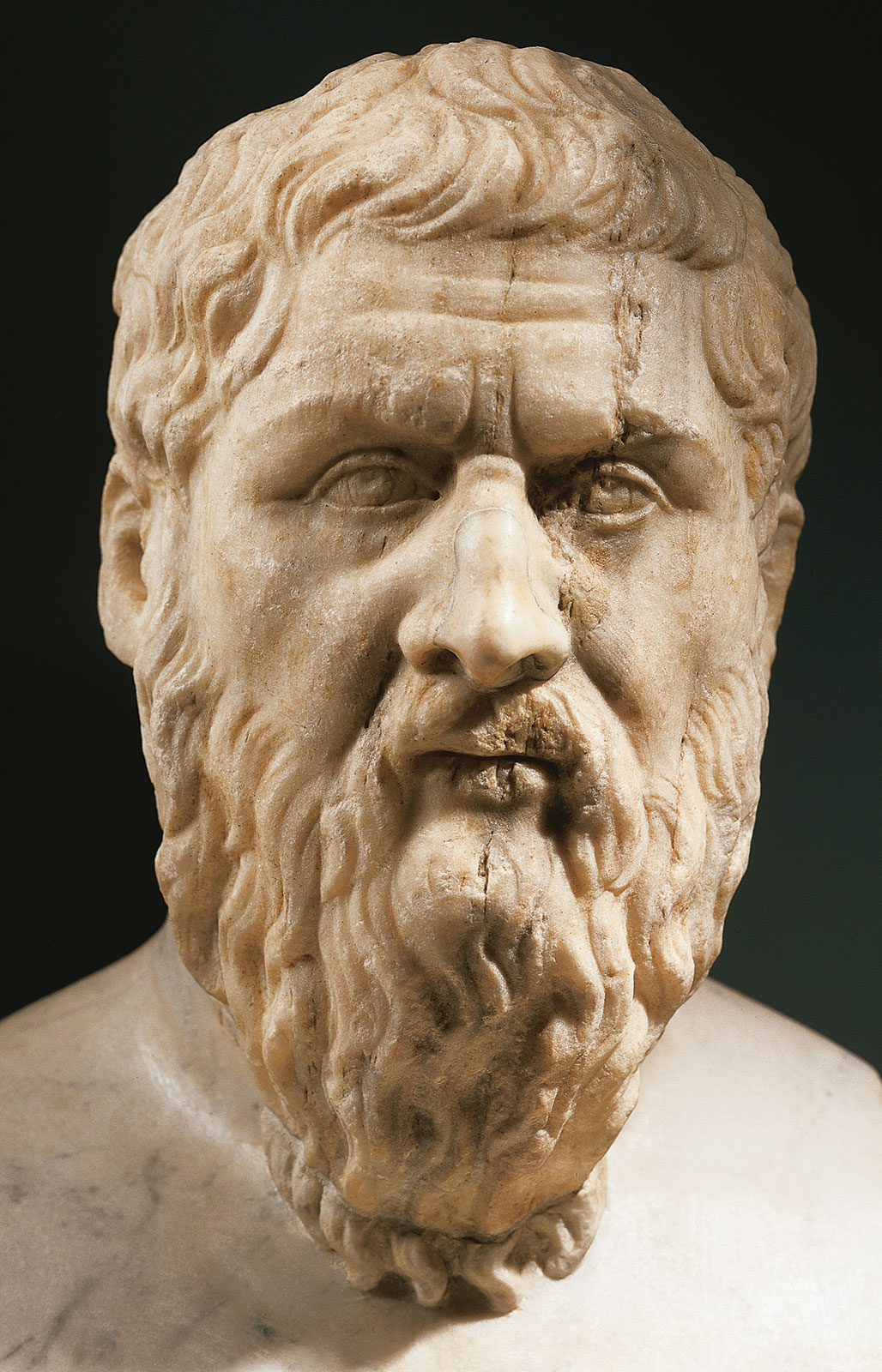
the Platonic concept of pure form, believed to embody the fundamental characteristics of a thing.
a collectively-inherited unconscious idea, pattern of thought, image, etc., that is universally present, in individual psyches, as in Jungian psychology
a constantly-recurring symbol or motif in literature, painting, or mythology. This definition refers to the recurrence of characters or ideas sharing similar traits throughout various, seemingly unrelated cases in classic storytelling, media, etc. This usage of the term draws from both comparative anthropology and from Jungian archetypal theory.
Archetypes are also very close analogies to instincts, in that, long before any consciousness develops, it is the impersonal and inherited traits of human beings that present and motivate human behavior.[1] They also continue to influence feelings and behavior even after some degree of consciousness developed later on.[1]
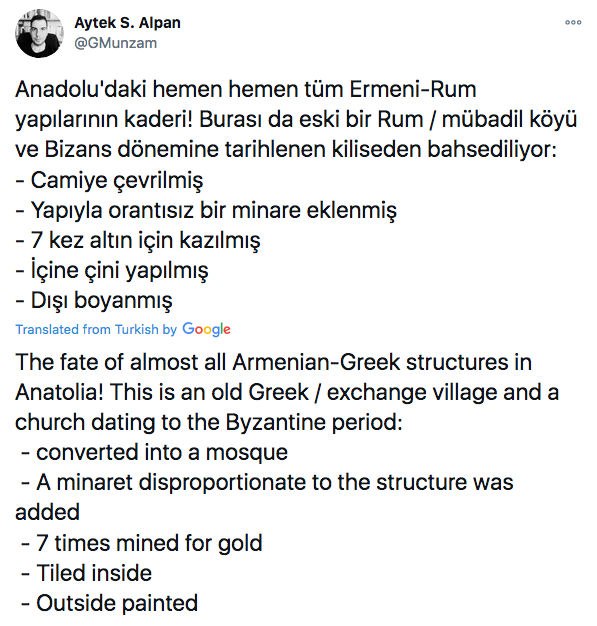
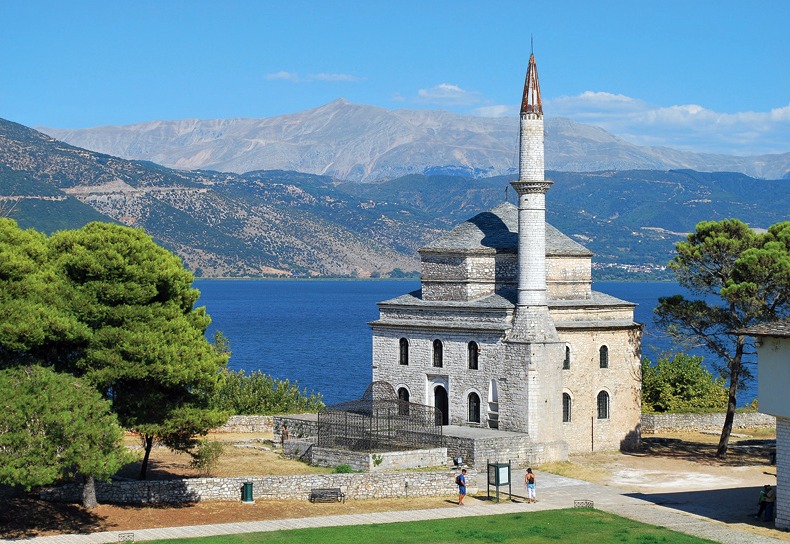
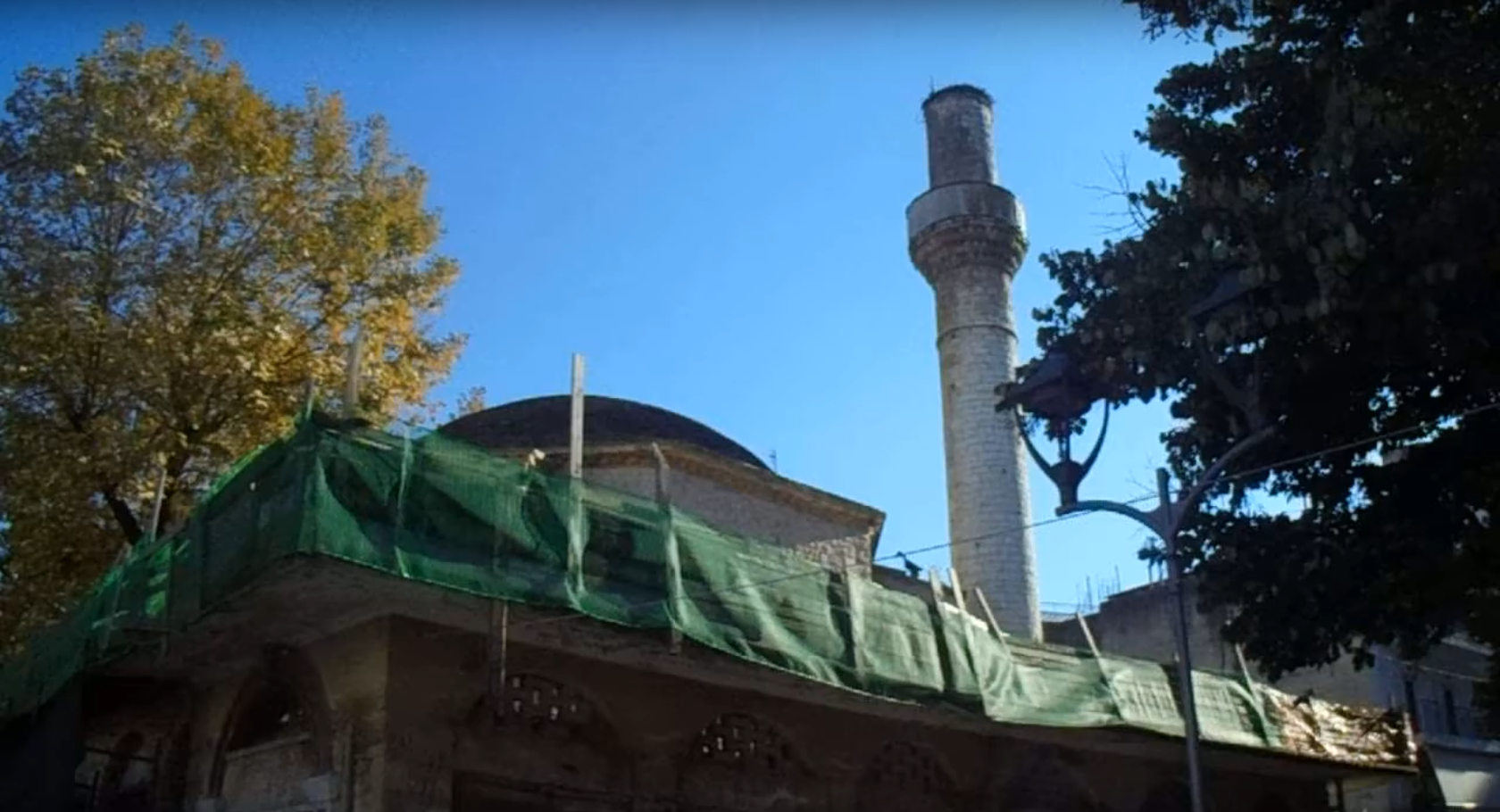
But before we start feeling all outraged and superior, the fate of Ottoman mosques in the Balkans has not been much better. How the few — like Jiannena’s — that survived did so is a miracle. And even in Jiannena we have two perfectly preserved mosques, thankfully, and one in a bad state, and a fourth that is not even recognizable unless you know it’s there; this out of a total of 18 mosques before the 1920s.
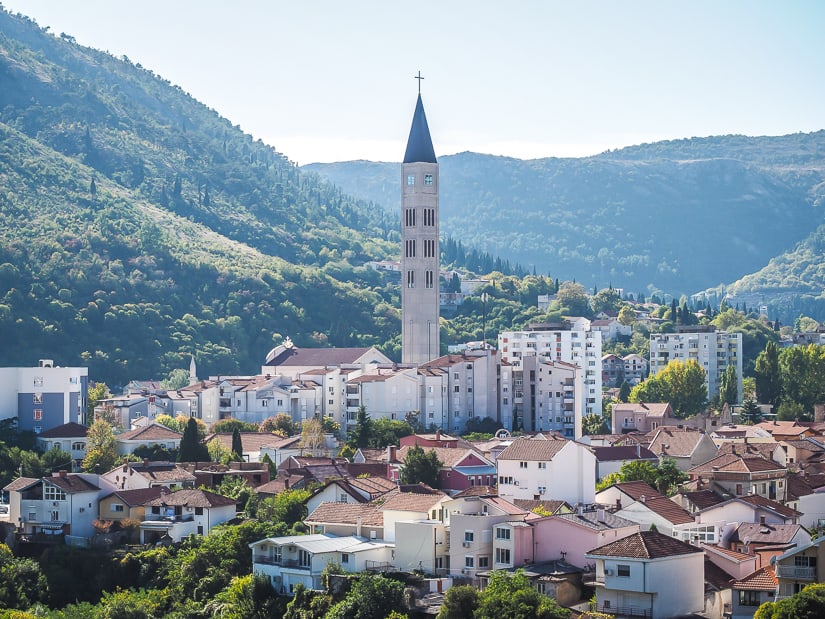
Plus while we’re on phalluses and hard-ons, it’s become the thing for both Serbian Orthodox and Croatian Catholic churches in Bosnia to build ridiculously high bell-towers, under the unspoken order that they be conspicuously higher than any neighboring minarets.
Balkans, Anatolia, Caucasus, Levant and rest of ME, Iran, South Asia
Me, I'm Nicholas Bakos, a.k.a. "NikoBako." I'm Greek (Roman really, but when I say that in English some five people in the world today understand what I'm talking about, so I use "Greek" for shorthand). I'm from New York. I live all over the place these days. The rest should become obvious from the blog.













 Jadde: from Bosnia to Bengal