“The War Against Syria’s Civilians” by Jon Lee Anderson

30 Aug

From The New Yorker:
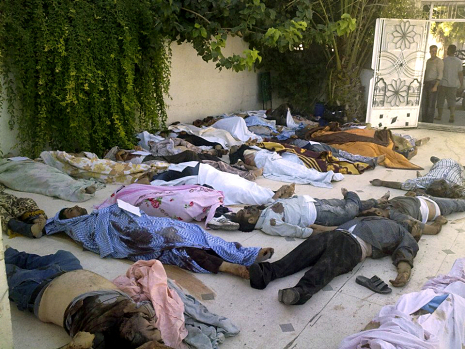
August 30, 2012
Photograph by Shaam News Network/AP Photo.

It’s becoming increasingly clear in Syria that the Assad regime has adopted a strategy of total war to stave off its collapse. If the claims made by opposition activists are true, last weekend’s mass executions of as many as four hundred suspected rebels and civilians, including children, by regime forces in the town of Daraya near Damascus, was the single largest atrocity yet committed in the eighteen-month-old conflict. There is no reason to believe that it will be the last. In this kind of war, it’s not about winning hearts and minds. This is old-school: you don’t try to win over your enemies and their family members, you kill them.

If there were ever gloves on in the regime’s response to unrest, they have now definitely come off. Indeed, everything about Syria’s carnage has acquired an exponential quality, including the death toll, which now must be rapidly approaching twenty-one thousand. Around two hundred people, mostly civilians, are reportedly dying every day now, twice as many as in June. Until Daraya, the hallmark horror was the May 25th massacre of a hundred and eight civilians in the town of Houla. The new standard is four times that.

What happened in Daraya follows a pattern that is becoming chillingly routine. Last Saturday, after a withering five-day bombardment, Syrian Army forces entered Daraya and conducted a “mopping-up” operation. What occurred there can only be imagined, but the results are visible in YouTube videos that have been uploaded by activists in the days since then: hundreds of bodies piled up inside houses, in basements, and in a mosque. Many of the bodies were those of young men of fighting age, but there were also children there, and at least one toddler. Many of the victims, as in so many other body-dumps showing up in the environs of Damascus in recent weeks, bore the telltale signs of bullets to the head, fired close-up, execution-style.

Until last February, when the burgeoning conflict centered on the city of Homs, the regime’s battle tactic was primarily to cordon off and devastate rebel areas with howitzers and tanks and, where it could, with the kind of individual terror that could be visited upon vulnerable civilians by its paramilitary thugs, the shabiha. It was shabiha, working in tandem with Army units, who carried out the Houla massacre.

But during the spring, and the hemorrhaging chaos of the long Homs siege—and assaults on Hama and other cities too—the regime began what has become a steady escalation of the conflict by introducing to the battlefield its Russian-made helicopter gunships. Though this was sure to mean a rapid increase in the civilian death toll, it did not represent a red line for the hand-wringing policymakers in Western capitals, who had allowed the futile diplomatic efforts of Kofi Annan to stand in place of any concerted action by their governments. Nor did the killings in Houla.

So the regime felt free to begin another escalation after the spectacular July 18th rebel bombing of an intelligence building in Damascus, in which four of Assad’s top security advisors were killed. That strike—which was accompanied by audacious rebel assaults into the heart of Damascus and Aleppo, where fighting has continued ever since—has been countered by the introduction of the regime’s jet fighters into the conflict. The initial appearance of a sole MiG over Aleppo in the last week of July has been followed up by daily air strikes against rebel positions, and civilian targets: hospitals where the wounded are being treated, bakeries where Syrians queue up for their morning bread, and civilian neighborhoods where the families of rebels live.

It is a cruel tactic, as old as war itself, to target the homes of enemy warriors so as to weaken them on the battlefield. But the surging numbers of civilian refugees fleeing into neighboring Turkey since the air strikes began with a vengeance two weeks ago are a testament to its brutal efficacy, especially when modernized, as it has been here, with unbridled combat air power.

Where the regime still has sufficient ground forces and the ability to deploy them as killing squads into target neighborhoods, it is doing so, usually after withering bombing and shelling assaults. This appears to be what happened in Daraya, which had been perceived as a rebel stronghold, and was taught a lesson for its stubborn resistance. The leaflets now being dropped on other Damascus neighborhoods are printed with messages urging rebels to give up or face “inevitable death.” What happened in Daraya is not mentioned on the leaflets; there is no need.


Comment: nikobakos@gmail.com

Nole’s back: “My game was great from the start to the end…”

29 Aug

From The New York Times:

Djokovic took just an hour and 13 minutes to blitz Italy’s Paolo Lorenzi 6-1 6-0 6-1 in his first-round match under the lights on a cool evening at Arthur Ashe Stadium.

The charismatic Serb’s win was so one-sided that it was difficult to tell if the 2011 U.S. Open champion was that good or Lorenzi had perhaps the worst evening of his life on a tennis court.

“My game was great from the start to the end,” said the second seeded Djokovic, who won three of four majors last year.

“It’s also important for me to try to be as economical with the time I spend on the court as possible, but obviously not underestimating any opponent.

“I played really focused, tried to get to the net also. It was great all in all.”


Comment: nikobakos@gmail.com

Vienna

28 Aug

“The true Vienna lover lives on borrowed memories.  With a bitter-sweet pang of nostalgia he remembers things he never knew.  The Vienna that is, is as nice a town as there ever was.  But the Vienna that never was is the grandest city ever.”

                                               — Orson Welles, Vienna (1968)

(click)


Comment: nikobakos@gmail.com

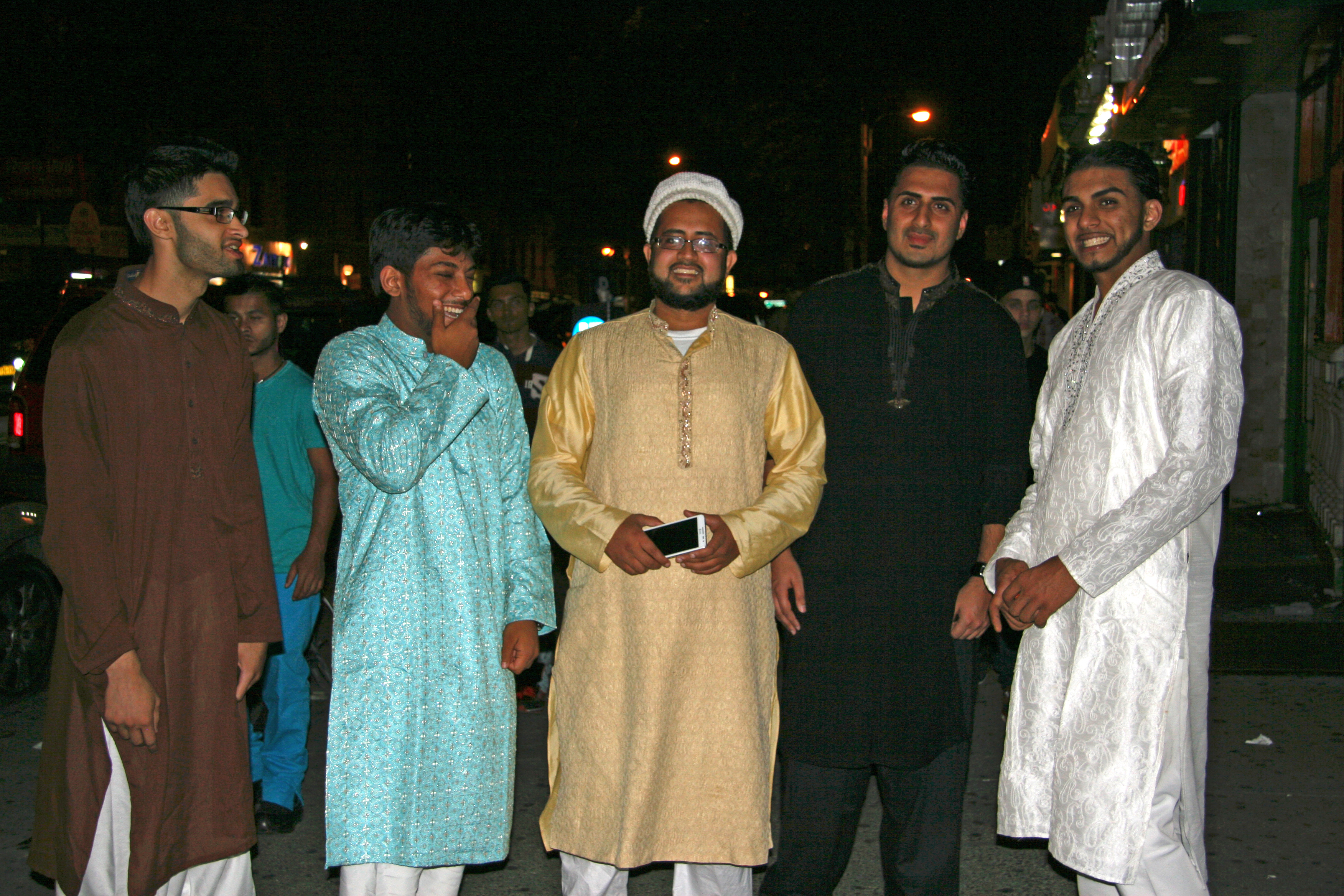
Eid on Steinway Street, Astoria, 1433 (2012)

22 Aug

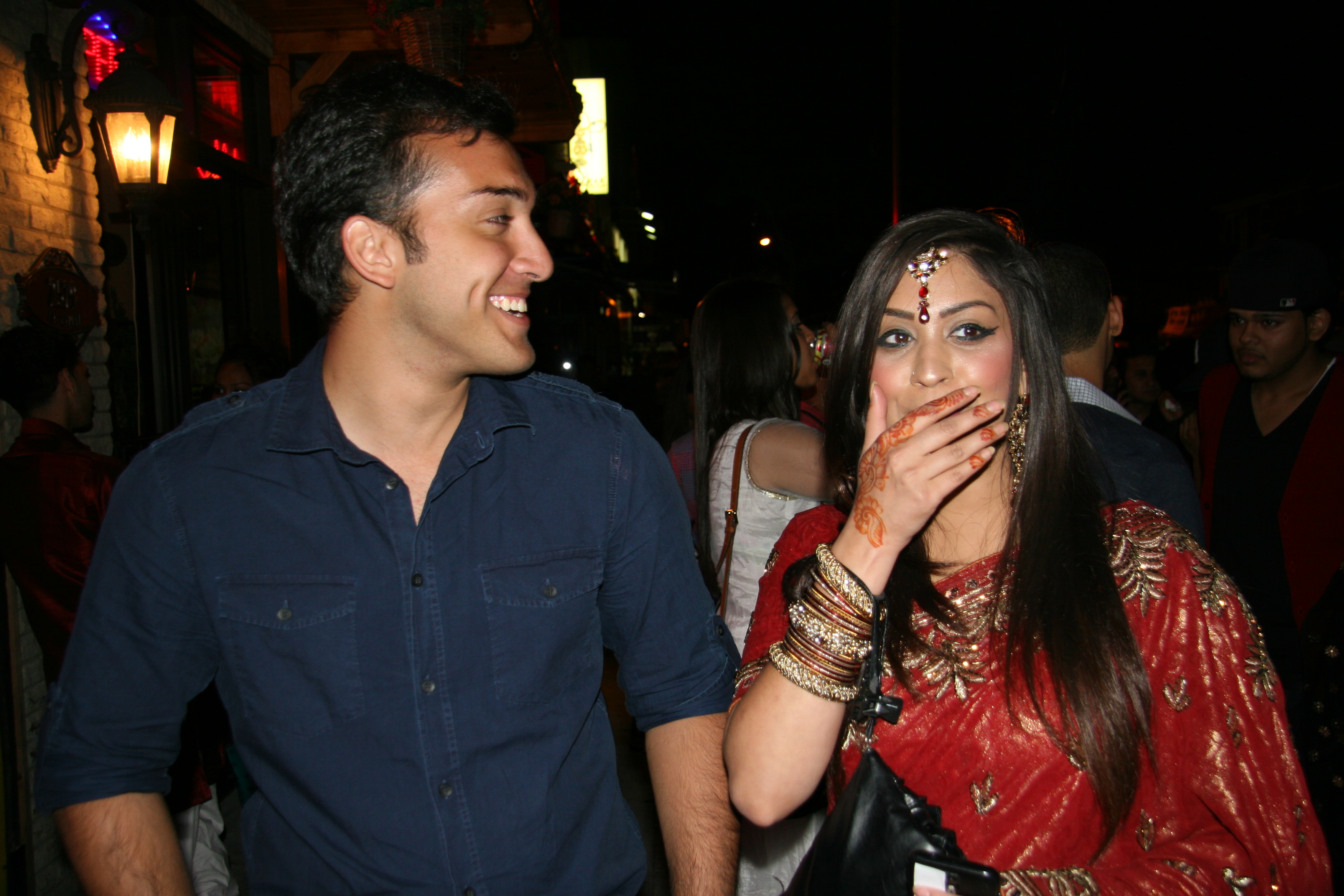
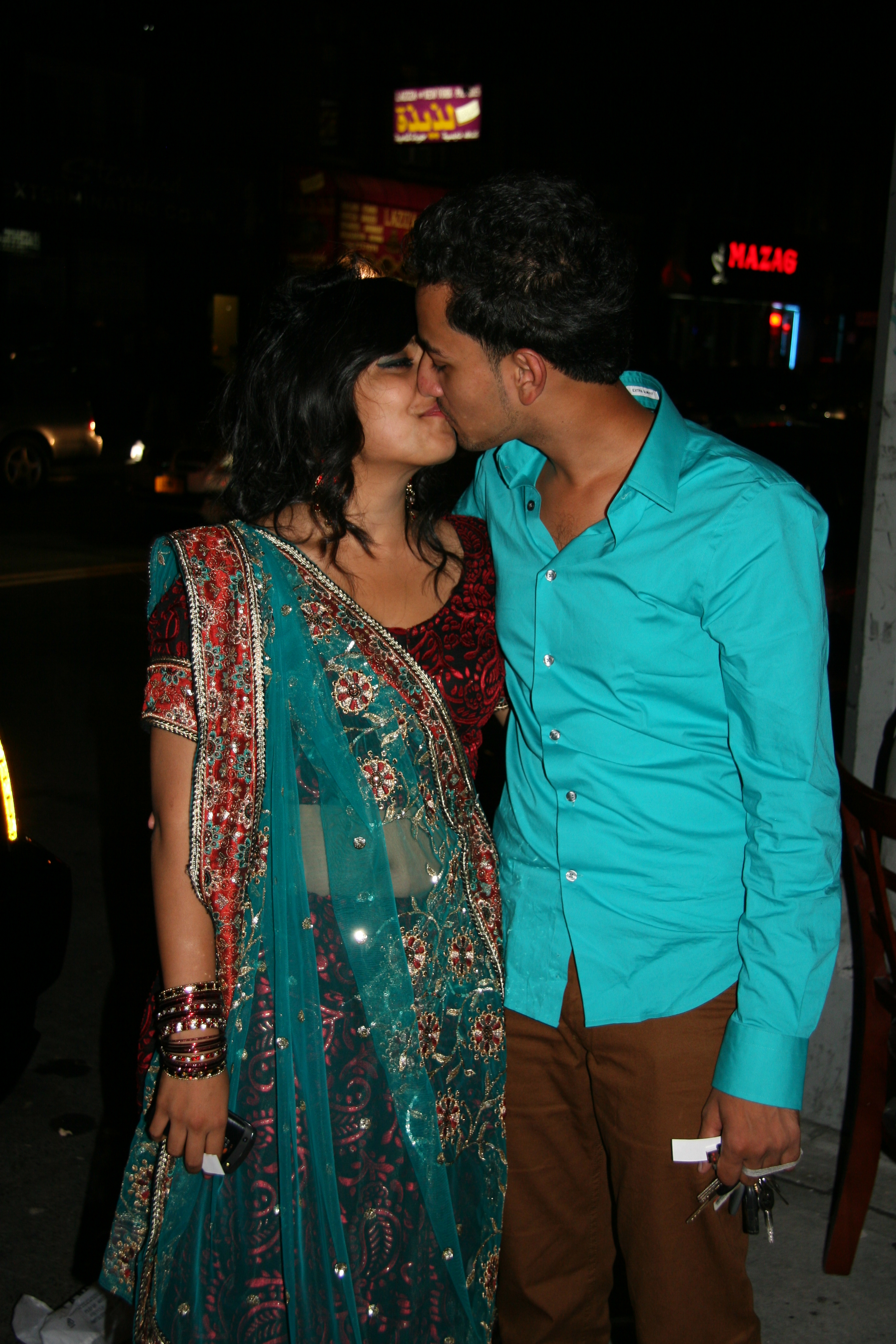
The few blocks of Steinway Street just south of the Grand Central in Astoria have become the center drag for Queens’ Egygptian and other Arab community in the past two decades or so.  Steinway is lined, literally one next to the other, with narghile (hooka, shishsa) shops, clubs, pastry shops and coffeehouses, largely Egyptian-owned, some Lebanese, some Yemeni.  What I hadn’t realized till a couple of years ago is that those blocks of Steinway Street were a major hang out for South Asian kids from around the neighbourhood and from all over Queens.  At least the first night of Eid.  I asked more than a few of these kids why they didn’t go to Jackson Height, the densest and most varied of Queens’ South Asian neighborhoods, on a night like this, and all of them said: “There’s nothing there at night!”  It really got me thinking about why this sort of cafe culture would exist in the Muslim world’s Mediterranean countries and not in South Asia.  There’s the tea-house in Central Asia, but there seems to be nothing in lowland Pakistan, India or Bangladesh that’s comparable.  Or is there and I don’t know about it?  Any ideas?

In any event on Eid (as soon they as they can escape their families?) these kids swamp and totally overwhelm Steinway with color and beauty.  It’s really an amazing sight.

(Click — and for textile, ornament and beautiful face detailsdouble-click on ALL photos; they’re big files.)

The gorgeous silk kurta, the traditional sequinned (double-click) shoes and the jeans in between (above).  Can anybody tell me what the beautiful article of clothing his friend is wearing is called?

Hennaed hands.

Only one of these guys was unsuccessful in suppressing the giggles.

My funky glasses and my yaar: “Eid Mubarak!”

And a beautiful friend and guest of the above two.  It’s New York, right?  They musta had a piss taking her shopping.

And some Egyptians…   The best Adana-like kebab in the city (above), what’s called lyulya kebab in Russia and Central Asia.  I don’t know what Arabs call it.  Too bad for the plastic, germophobic gloves; I can guarantee you, from experience, that an evening’s accumulation of grease and sweat off his palms makes it taste so much better.

And (below) an Egyptian couple who now happily have nothing more to say to each other.  Is there a way to fast-forward a marriage to that point?

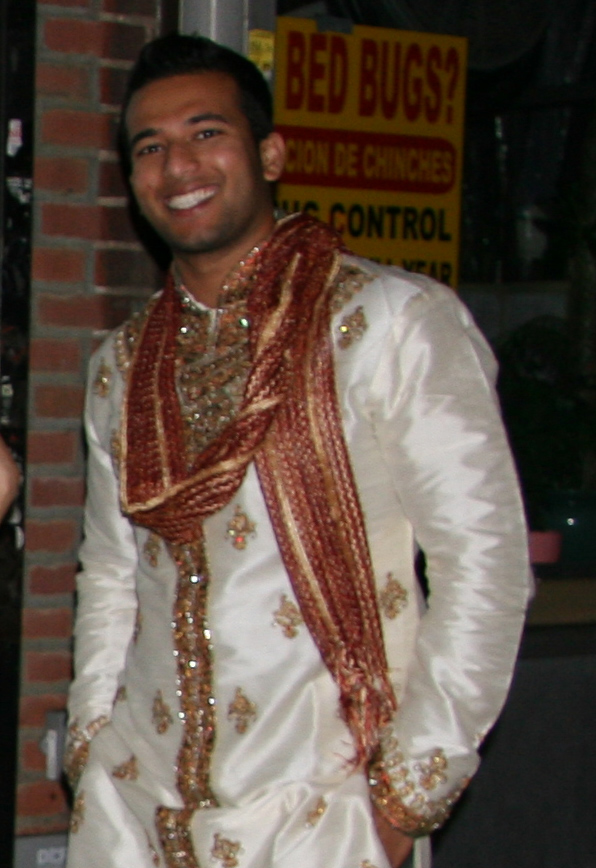
The photo below turned out to be badly focussed– very unfortunately — because this guy was easily the king of the Steinway St. runway that night in a white satin, red-and-gold sequinned sherwani and red, gold-threaded dupatta.  I said to him: “That’s what you wear for Eid, buddy?  What are you gonna wear for your wedding?”  He smiled and said: “I’m married…”

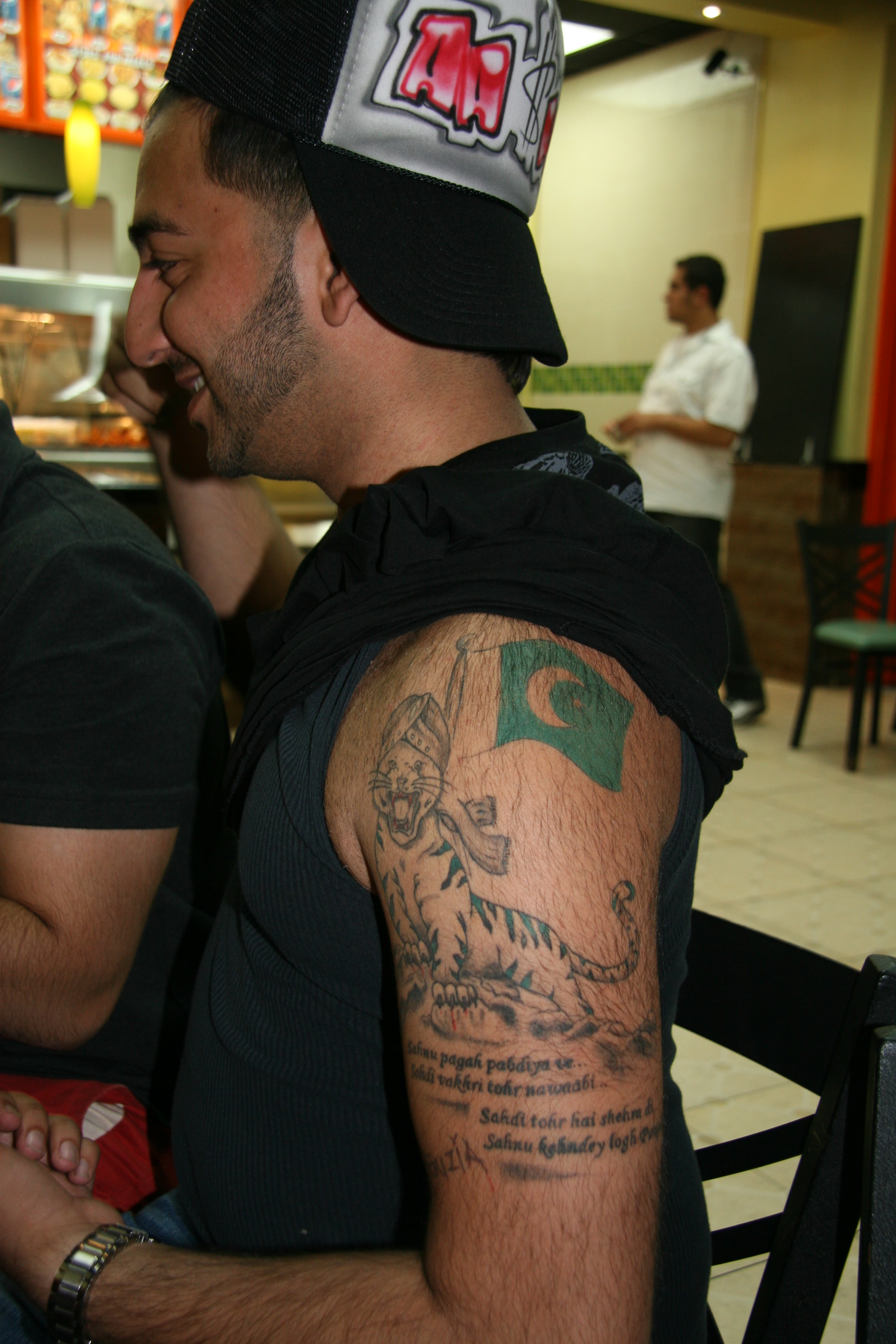
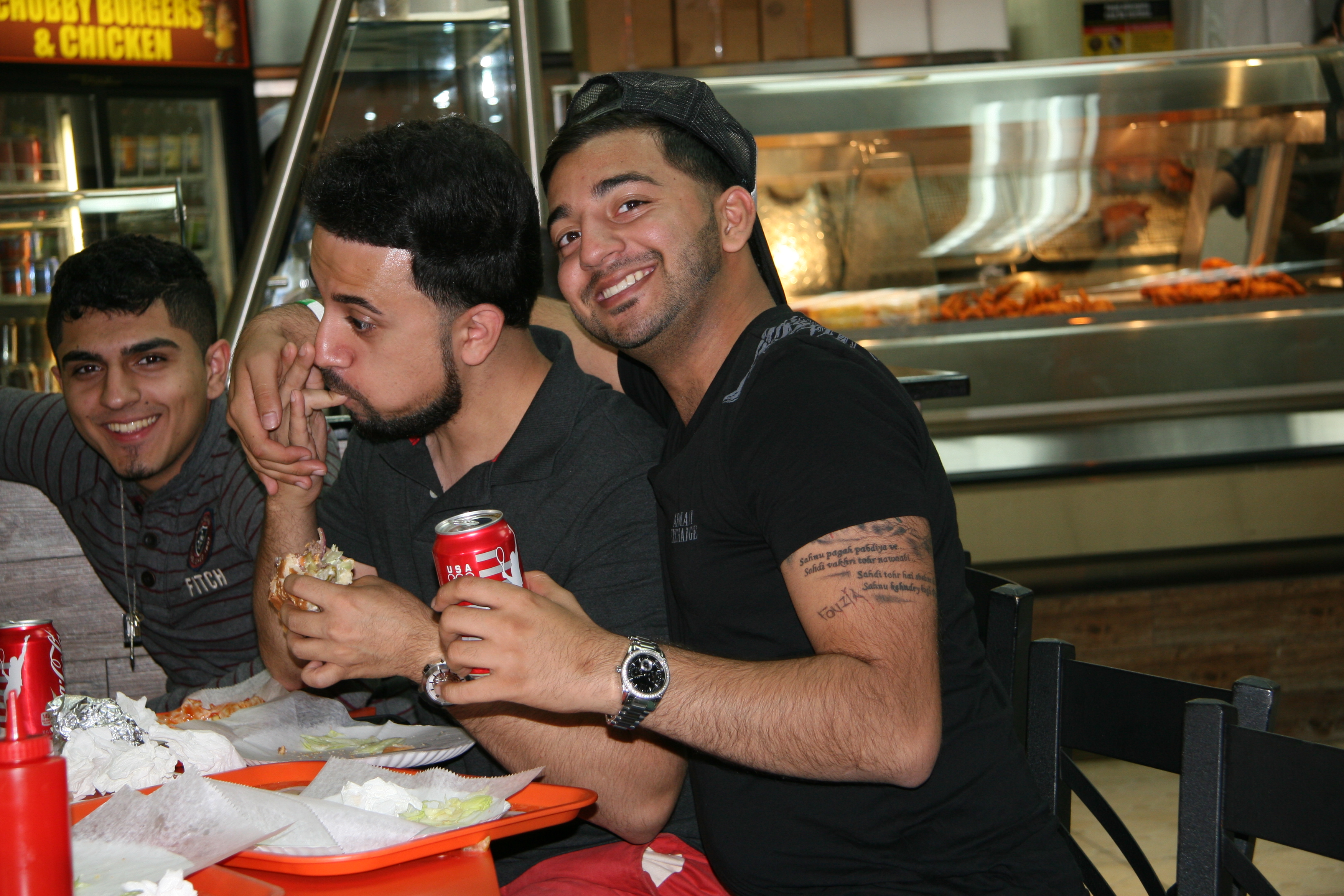
Then there’s these guys below, who are cool enough to just show up in their tats.

“Askeri” — soldier

And a more hardcore tattoo below (though, actually, just “askeri” is probably more Spartanly hardcore).  It had something in transliterated Urdu or Punjabi underneath the lion but things were too frantic for me to get it down.

And scarfing with his friends.

Below, a real knock-out.  Full holiday dress-kit for Bangladeshi women usually means a sari and not fancy salwar-kameez like for Indo-Pako-Muslim or Sikh women.  But you can’t really draw hard lines like that ’cause you never know; it’s India and this is New York.  (“India” is meant here historically, as the whole subcontinent guys, ok?  Don’t bow up on me please.)

A kiss away from the folks.

Down Steinway.

One particularly heartening part of going out on this shoot…

Muslims in America have been the object of illegal surveillance and harassment, infiltration of their communities, unfair detention, vandalism and just plain annoying and irritating disrespect and meddling for a long time now.  I’ve been on the secondary receiving end of the anger and suspicion that’s all caused — though hardly a victim of it — under a variety of circumstances, some unpleasant, some funny.

Now, for a variety of physical, age, accent and attitude reasons I guess I could pass for a New York cop.  I also wear my cross on an employee i.d., dogtag-type chain and that probably doesn’t help.  Nobody in Afghanistan, expat or Afghan, believed I wasn’t a contractor without lengthy explanation and convincing on my part and that’s really not a perception you want to be the object of when in Afghanistan.  When I came back, the passport guy at JFK saw my Afghan visa and said: “Contractor?” and I said “NO! ENGLISH TEACHER!”  I was once thrown out of a mosque in Elmhurst (off-prayer time) by the custodian and his broom, one of those old Peshawari guys with the orange beards, yelling: “Go out! Go out!”  And an exchange with two Afghan butchers who I had gone to for my lamb one Easter because I was having halal-observant friends over was completely friendly and animated till I started throwing around some of my recently learned Farsi.  That was followed by a complete silence through which they kept busily hacking away without even looking at me.  And when two Pashtun guys with meat cleavers make it clear they don’t want to talk to you, it’s best to shut up.  They didn’t even speak the price to me at the end; just physically showed me the receipt.  I payed, took my animal and slunk out.

But I only put two and two together when I went into another halal butcher in Jackson Heights to get some chickens for something I was going to make for a party we were having with my students, many of them also halal-observant.  I walked in; said “Salaam,” even did my little “adab” forehead gesture and everybody just stared at me.  Then a very energetic, smiling young Pakistani guy came out of the back and with arms wide-open says: “Officer, what I can give you?!”  After a “what-do-I-say” second, I told him what I needed.  “Ok, officer!”  He started skinning and chopping at the chickens.  “So, barbecue time, officer?”  It was right before Memorial Day.  I said, “No, I’m actually gonna make a korma with that chicken; that’s why I’m asking you to take the skin off…”  “Wow, nice.”  Silence.  “You know, I’m not a cop.”  “Ok, officer, no problem,” smilingly.  “I have students who only eat halal meat, we’re having a party….” I continue trying to explain.  “Ohhhhh, that’s very nice, officer, you’re good guy.”  “And I’m learning Farsi because…”  Then I just gave up; put my arm up on the counter, leaning up against the glass, just watching him — him with the chickens, as he kept grinning and occasionally mumbling to himself: “Ok, officer…yeaaaaaaaa, chicken….no problem, officer…ok, officer…”  He was getting to the last of the chickens and he looked up at me and we stared at one another for a moment, full eye contact, like three feet away from each other…and we both fell into a giggling fit.

I never did figure out whether he believed me, didn’t believe me, was pulling my leg and shittin’ with me the whole time — I don’t know.  They all replied “Khuda Hafez” to mine as I left.  I did my little forehead gesture.  The older men returned it.  Who knows.  I don’t know.  Once on the street I thought to myself: “Can they really think that any American ‘inteligence’ organization — FBI, NYPD — can be that stupid that they think they’re going to teach a big white guy some half-assed words of Farsi-Urdu, and send him in to….” and then said, yeah, they have every reason to think they can be “that stupid” because they probably are.

Back to Steinway Street.  The night we went on this shoot I was doing my introductory spiel to every group of kids we would walk up to: “These are just for a blog I write…I’ll take them down if you don’t like them..” and, to several more hesitant looking groups of guys: “…I’m not a cop or anything,” to which they replied, to the man, and in stereo: “I wouldn’t give a shit if you were.”

Aferin!  That’s the spirit, brothers.  Stay strong and keep it up.

Thanks to all of you guys for your smiling, cooperative, welcoming participation in this little project.  I can’t express my appreciation enough.  All the best to you, your friends and your families.

And for the rest of us, trapped in the aesthetics of nineteenth-century, false bourgeois humility and, now, its descendant, the fake hipness of charcoal and black, PLEASE keep wearing those clothes, and be enormously proud of them.

Many, many thanks to Johana Ramirez, who took the photos and accompanied me on this adventure.

Again, if you want any of these taken down, you know where to find me.  Any of those who didn’t make it, sorry; it was only a matter of space.  I’m putting up a Flickr page as soon as I can where all the photos taken that night will be posted, so you’ll be able to find them there.

And again, thank you.  Peace.

Nick Bakos

Comment: nikobakos@gmail.com

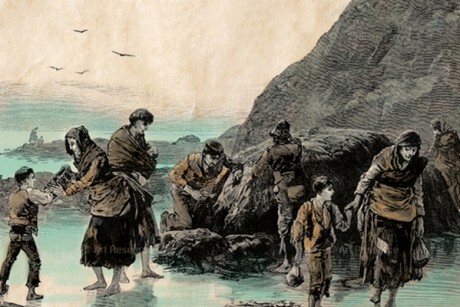
“The Graves Are Walking”: Was the Great Potato Famine a genocide?” (And, let’s rethink “genocide” in general)

20 Aug

“A new book argues that free-market ideology, not murderous intent, killed Ireland’s millions.”  See Salon‘s entire review of the book here.

Some quotes:

“Citing an Irish nationalist author who accused Britain’s Assistant Treasury Secretary Charles Trevelyan of infecting Irish children with a special “typhus poison” in a government laboratory, he writes that the man “should have stuck to the truth. It was incriminating enough.” The story Kelly tells in “The Graves are Walking” is indeed damning, a shameful, bloody blot — and far from the only one — on the history of the British Empire. But calling it a genocide, however satisfying that pitch of moral condemnation may be, only acts to obscure the chilling contemporary relevance of Ireland’s 19th-century agony.”  [my emphasis]

Exactly.  Even if there was “no murderous intent,” it was still criminal.

“Kelly, like most historians, places the brunt of the responsibility for this fiasco on the shoulders of Trevelyan. As the policy leader of the famine response program, Trevelyan was not a Mengele-style mad scientist but a civil servant known for his “unbending moral rectitude and personal intensity.” Unfortunately for the Irish, the faith he embraced was a fusion of Moralism, “an evangelical sect that preached a passionate gospel of self-help” and the laissez-faire economics of Adam Smith and Edmund Burke. At several key points in the evolution of the catastrophe, when strategic intervention might have fended off thousands of deaths, Trevelyan refused, maintaining that there was no greater evil than interfering with market forces. When a subordinate protested, he would send him a copy of Burke’s “Thoughts and Details on Scarcity.”” [my emphases]

See my older post Maybe Germans ARE Scary, my commentary on a borderline Nazi opinion piece that appeared in the New York Times“German Austerity’s Lutheran Core”, in which I argue that Protestantism-s (except for Anglicanism, which grew out of very different historical circumstances and forms of “protest”) aren’t really religions at all but moralist codes, on which capitalism depended for its growth, and for which, whatever transcendent entity their adherents may believe in, serves only as divine confirmation of their righteousness.  It was the aggressive evangelical fervor that swept Methodist, Presbyterian and “low church” Britain in the mid-Victorian age that was perhaps the primary cause of the Indian Rebellion only a decade after the Irish catastrophe (see William Dalrymple’s brilliant The Last Mughal: The Fall of a Dynasty: Delhi, 1857).

“These strategies amount to the 19th-century version of what Naomi Klein has dubbed the “Shock Doctrine”: an attempt to force economic reforms on a population reeling in the aftermath of a disaster.”

Like Germany and southern Europe today?  (Read Klein’s great book: The Shock Doctrine: The Rise of Disaster Capitalism)

“Both sides were ignorant and shortsighted, confident in their stereotypical notion of the irresponsible, fanciful and lazy “Irish character” but oblivious to all the ways that rural subsistence economies cannot be expected to start functioning like England’s more developed agricultural one overnight.”

The classic accusation of laziness in these situations (like against Greeks, who, it turns out — when they had employment — worked more hours than the population of any EU country) is just infuriating.  People don’t work when they don’t have an incentive to, when the technological and political and class restrictions imposed on them limit them to anything more than subsistence or, in the Irish case, even rob them of the means of subsistence.  That the Irish are lazy, man…  To know what work-horses, and I mean that only with great respect and admiration, these Irish kids are, who are coming to New York again in the wake of the Euro-crisis and to even think “lazy”…

Yes, well, not England’s finest hour — though it’s a nation and a people I respect and feel a curiously personal pride in.  And yes, Ireland is outside the borders of the “Jadde” world.  But I love the Irish so much that they’ll keep appearing from time to time and, actually, they’re as much objects of Western imperialism as we are.

But really I’m posting this piece because I think it’s past time that we, in the “Jadde” world, begin some serious discussion on the use of the term “genocide.”  I think it’s getting thrown around much too loosely lately, and that not only disrespects the victims of true genocides, it pariah-fies and unfairly singles out certain groups for vilification (Turks, Serbs) and creates simplistic analyses of complex historical events that then become conventional wisdom, all in ways that makes deeper dialogue between our peoples impossible.  So, we need to talk about it and what “it” really is.


Comment: nikobakos@gmail.com

I told you they wouldn’t leave him alone.

19 Aug

Digging up dirt is their business, and the higher the target, the more cheap glory accrues to their little souls.  We have one of the greatest athletes in history, photographed by one of the greatest artists of our time (do we understand that that’s what the Greeks did?), and they’re worried about the “rules.”  The idea that super high-end professionals likes Phelps’ agent and p.r. people, the entire Louis Vuitton corporate world, and Annie Leibovitz and her p.r. people, all knew about this rule — which is new, by the way — and deliberately flaunted it, is absurd.  But let’s see how this plays out.  There are no limits to people’s pettiness. 

If they take away any medals I’m going after somebody; I’m not kidding.

Beautiful work on Leibovitz’ part — goes without saying.

The other part of the ad below.

“Swimming champion Michael Phelps might be in hot water with the International Olympic Committee after photos of his posing in a bathtub for part of a Louis Vuitton ad campaign were leaked on the Internet.

Phelps was photographed for the campaign in a bathing suit and goggles in a bathtub reportedly by photographer Annie Leibovitz. The photos were released during a time when Olympic athletes are banned from participating in marketing campaigns.

The regulation was introduced this year by the Olympic Committee and is known as Rule 40, prohibiting athletes from participating in advertising from July 18 to Aug. 15, which included periods before and after the Olympic Games.

The photo of Phelps in the bathtub next to a Louis Vuitton bag, however, popped up on the Internet in early August, appearing on Paper Mag and the Los Angeles Times, among other websites.

Athletes who break Rule 40 can face sanctions, including financial penalties and disqualification from games, which can mean a loss of medals, as outlined in the Olympic Committee’s guidebook. 

The U.S. International Olympic Committee and Louis Vuitton declined to comment. Representatives for Leibovitz did not immediately return calls from ABC News.”

For other Phelps posts see: Michael Phelps“;  “An angry man — that is my subject.”; Ποιόν σοι εγκώμιον προσαγάγω επάξιον, τι δε ονομάσω σε, απορώ και εξίσταμαι“…απορώ και εξίσταμαι.” , which explains other Greek heading, or check out tag box at lower right.

Comment: nikobakos@gmail.com

Eid Mubarak, Iyi Bayramlar, Bajram Baracula

19 Aug

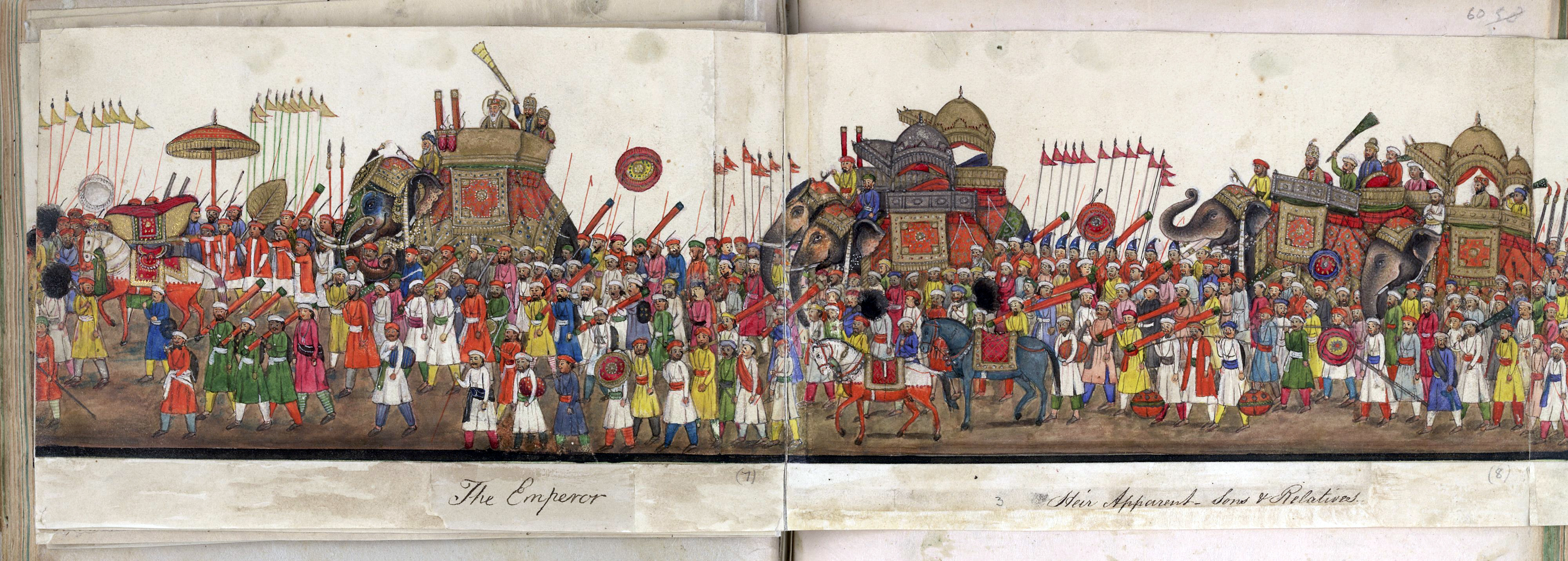
Bahadur Shah Zafar, last of the Mughal Emperors (see “Destruction of Delhi’) in Eid procession, 1843 (please click)

Today is the first day of Eid al Fitr, (usually called Bayram in Turkey and the Balkans) the three-day feast that marks the end of Ramazan.

Below is a photo of Bayram Namazi in the Blue or Sultan Ahmet mosque in Istanbul (thanks to Aykut for that; I couldn’t tell which mosque was) the morning prayer which is the official beginning of the holiday. (click)

And an impressive video of Eid Namaz at the Jama Masjid in Delhi, which we almost lost.  See the Destruction of Delhi series from Dalrymple’s The Last Mughal here, here and here.

In Bosnia (click)

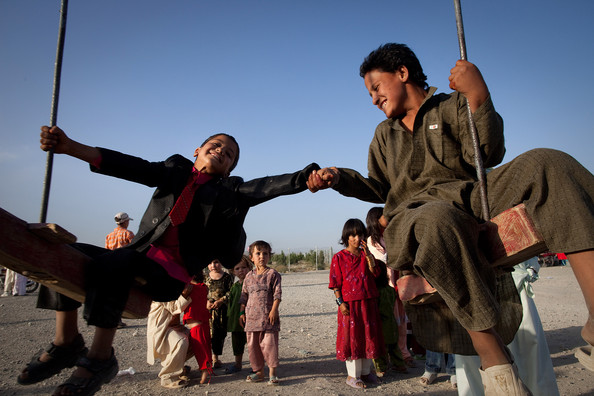
In Afghanistan

In Syria

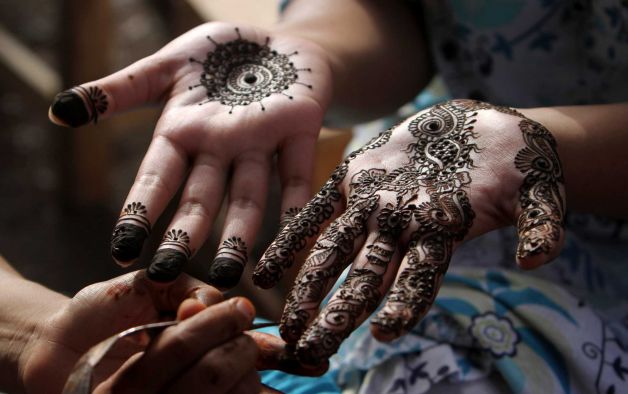
In Pakistan, where women have their hands henna-ed for the celebration (I’m assuming Indian Muslims too?)

In New York


Comment: nikobakos@gmail.com

Bread of Beirut

18 Aug

Photo by Julien Harneis

From Granta: “Bread of Beirut” by Annia Ciezadlo

Snag to all you carbophobes…

“The practice of sharing an oven goes back to the ancients, when Babylonian temples fed their subjects on the leftovers from the feasts of the gods. But the urban public oven came into its own in the medieval Mediterranean.  In cities all around the Middle Sea, Christians and Muslims, Arabs and Armenians alike brought bread and other foods to the oven at the pandocheion, a Greek word for inn that means ‘accepting all comers’. For a small fee, the public baker would cook your food, saving scarce heat and fuel for all to share – a kind of culinary carpool. Private ovens encouraged segregation; public ovens led to mixing, cross-pollination, and negotiation – in a word, relationships. And probably, I imagine, a fair amount of food and recipe sharing across religious and ethnic lines.”

Women taking cloth-covered trays of food to the fourno in the morning and coming back with them just before lunchtime were a regular neighborhood sight in Greece till the eighties even, and I can only imagine all over the Mediteranean (Iran?), especially on Sundays or feast days, when a casserole or tepsi-based dish was more expected than a “pot” dish which was easier to make at home: pastitsio, mousaka, roast lamb (with rice in the still post-Ottoman north, or potatoes in the Bavarian south), borek (again, in the still civilized north; no one in southern Greece can roll out decent yufka to save their lives), even tomato or eggplant or pepper dolma, which Greeks tend to bake rather than simmer like Turks do, with lots of extra filling spread around the pan, so the edges of the rice — the zaire, they used to call it in Epiros, which means grain or grain stock in Turkish (and sounds of Farsi origin to me) — got nice and crispy.

What Ciezadlo doesn’t point out is that the neighborhoud fournoi also saved you from so much heat in the summer in those countries, which built up in even the coolest stone and tiled houses.  And that anything cooked at the fourno just tasted incomparably better than anything made in a home oven, especially those lame electric ovens and ranges — digital cooking — used in much of Europe and the world today.

What she couldn’t have known is that by tradition almost all firincilar in the Ottoman Balkans, Constantinople and even much of Anatolia were Epirotes.  My mother’s family ran a fourno in Bucharest for three generations, the men going back and forth to Roumania from their village in shifts to manage the place.  Even today in Athens, people will often single out an Epirote baker to get their bread from.

I highly suggest that you read Ciezadlo’s article only if you have a source of good Lebanese food in easy proximity because, otherwise, it will leave you in pain.

P.S. fournos, forno, furn, firin, fir, horno — all come from the Latin furnus, so don’t get excited; it’s not a Greek word.


Comment: nikobakos@gmail.com

Kinda looks like an old pic of the West Bank, dunnit?

17 Aug

But it’s not.  It’s Athens, “the Cradle of Democracy.”  Μigrants sitting on the sidewalk while surrounded by police officers during the operation. (click)


Comment: nikobakos@gmail.com

“I have traveled to many countries. But the racism I met in Greece, I have not seen anywhere else.”

17 Aug

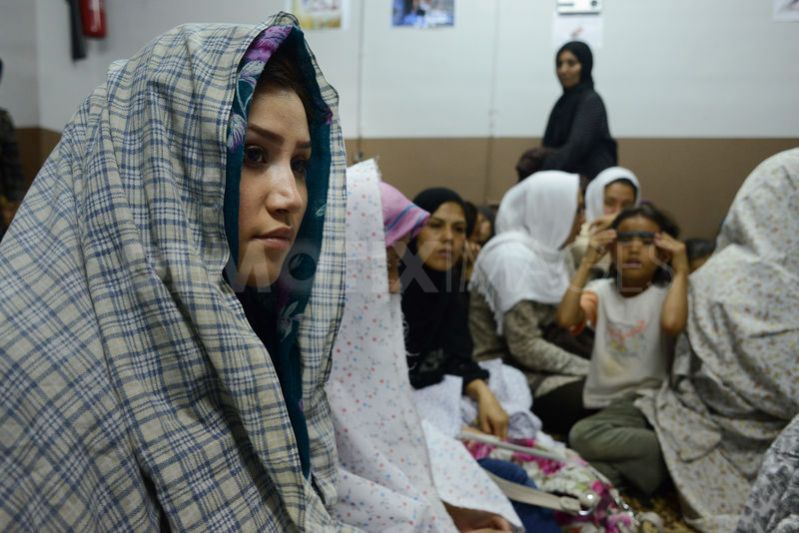
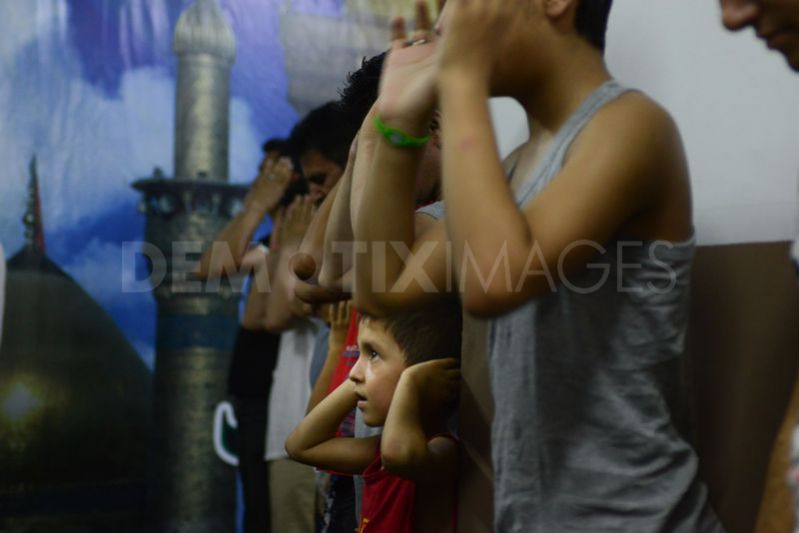
“Afghan refugees pray during Ramadan in Athens,” also from Demotix and by Christos Stamos, a Greek to be proud of (FB motto: “The whole secret of existence is to have no fear.”)

Under intense fear of increasing racist attacks on places of prayer, Afghan refugees, many of whom are Shia Muslims, gather to pray during Ramadan in a private community building that they have as their cultural center. (click)

Under intense fear of increasing racist attacks on places of prayer, Afghan refugees, many of whom are Shia Muslims, gather to pray during Ramadan in a private community building that they have as their cultural center.
Athens is the only European capital that does not have a mosque yet.
That is why Muslims are forced to gather in private places to attend services and pray.

Ramadan is the month of fasting from dawn until sunset.
Every sunset Muslims gather to pray and have a common dining.
The building of the community is not in the center of Athens, and so the majority of Afghan refugees that cannot afford even the bus tickets, come here walking from the center, where they mainly live.
The atmosphere here is very pleasant. They greet each other with a warm handshake and a smile.
In the area of the prayer, there is a dividing curtain that separates the part of women with part of the men, so they cannot see each other while praying.
The property is underground and narrow for about five hundred people that have gathered to pray. The Athenian August is very hot and despite the fans on the roof, this cannot not prevent you from sweat.

These days Imam Mr. Sayyed Hasbem Khatami, who travels around the world, wherever there are Afghan refugees, is here to teach.

I met Mr Khatami and we exchanged a few words.
He says: “ When Muslims meet someone, a stranger or a known person, their very first word in their greeting translates: “Peace be upon you”. This has the meaning that what every I may offer to you has to be good. I have to offer you good food, good hospitality, good behaviour, etc. This peace that I wish you, is a series of obligations that I have in front of you. This permeates all our relationships.”

Mr Khatami speaks like he is familiar with the Greek reality: “Greeks should be informed by the Greek State, for what we do here!.”

About Afghan refugees living in Greece: “Our people must have knowledge: How we have to be in your country. What is the laws of your country. What we can do and what we cannot do.
For example in Canada, the state undertakes and explains to you what is the law.
They come to us and explain: You can do this! You cannot do that!

Here in Greece, nobody explains to us what is the law.
We have found a rough solution by asking NGO’s to send their members to speak and explain to these people, how is life here.

Every night about five hundred people walk from the center to this place, in dangerous streets, where racist attacks occur in daily basis. Greek state could have offered a bus service during Ramadan, for these families to be carried safe.

I have traveled to many countries. But the racism I met in Greece, I have not seen anywhere else.

Greek Police officially informed us to be careful because of the attacks.
So we have put guards on the door. And we pray in fear.”

Then Mr Khatami started his speech before the prayers.
Anyone would have expected to speak only on matters of religion.
But in his speech there are many tips for the laws that exist in Greece. He speaks with references in the Koran for the respect that should show when we are in a foreign country.

______________________________________________________

The prayer is followed by the common dinner.
I speak with Nadim who is 28 years old, and came in Greece from Afghanistan 8 years ago.
He says:
“ We forget that we are humans. We are Muslims, we are Christians, we are Greeks, we are Afghans, we are with the one political party or the other, but we forget the simple truth: We are humans.
Let us forget all the other things that separate us, and behave to each other like humans.

When I come here to this community place, I have very good time. I start smiling again.

My family is dispersed in various countries. In Iran and in Europe.
The same applies to many Afghan refugees.

We do not have the basics: eight hours work and eight hours rest, as mentioned by our religion.
I hope that the next generation will have the basics.

My favourite quote is from a Facebook page: “Things Are to Be Used and People Are to Be Loved”“


Comment: nikobakos@gmail.com