Balkans, Anatolia, Caucasus, Levant and other Middle East, Iran, Afghanistan, South Asia, occasional forays into southern Italy, Spain or eastern Europe, minorities, the nation-state and nationalism — and whatever other quirks or obsessions lurk inside my head.
India’s ruling party has defended Narendra Modi’s use of Twitter after a number of users followed by the Indian prime minister appeared to celebrate the fatal shooting of a journalist this week.
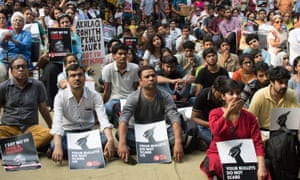
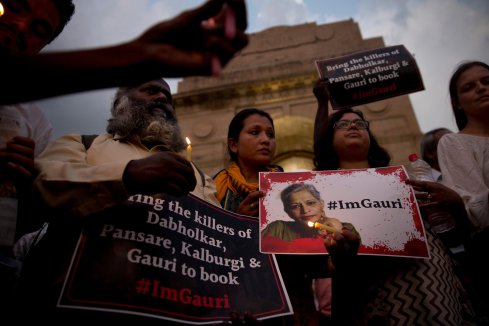
Leaders from across Indian politics have condemned the murder of Gauri Lankesh, who was shot dead outside her home in Bengaluru on Tuesday, but a number of Modi supporters appeared to attempt to justify the killing.
One commented: “You reap what you sow.” Another wrote in Hindi: “A bitch died a dog’s death and all of her litter is crying in the same voice.”
Modi, who operates his own Twitter account and follows 1,779 others, has been criticised for continuing to follow accounts that have levelled abuse at Lankesh. He has yet to comment on the killing.
The head of his BJP party’s information unit, Amit Malviya, said the prime minister followed “normal people” and described the controversy as “mischievous and contorted”.
“PM following someone is not a character certificate of a person and is not in any way a guarantee of how a person would conduct himself,” he said in a statement. “[Modi] follows normal people and frequently interacts with them on various issues. He is a rare leader who truly believes in freedom of speech and has never blocked or unfollowed anyone on Twitter.”
Modi is regularly criticised for following users who post offensive content. In July 2015 he invited 150 social media users to his residence for a meet-and-greet, among them Twitter users who had used sexual slurs and levelled other abuse against women.
Malviya said Modi was frequently attacked for the actions of his supporters while abuse by backers of opposition political leaders was ignored. “This debate is not only farcical and fake, but also an exhibit of selective right to freedom of expression,” he said.
India’s information technology minister, Ravi Shankar Prasad, condemned the online abuse of Lankesh, tweeting that he “deplore[d] the messages on social media expressing happiness on the dastardly murder”.
Separately, Delhi police have filed a case against a Facebook user who published a “hit list” of journalists, activists and authors including the Man Booker prize-winner Arundhati Roy.
Police have sought the IP details of the user, who identified himself as Vikramaditya Rana, after he made a series of posts including one saying Lankesh’s killing “serves her and her kind right for the damages these so-called journos have caused our nation”.
Lankesh, whose murder is being examined by a specially appointed investigative team, had previously voiced concern about the “rabid hate” that she was subjected to online.
In her speeches and writing, Lankesh, 55, frequently criticised the Hindu nationalist ideology associated with the BJP and worked to rehabilitate guerrillas involved in the country’s five-decade-long Maoist insurgency.
Though police have not commented on the motive for her killing, friends, lawyers and colleagues of the journalist as well as some members of the BJP have speculated that it was in retribution for her work.
On Thursday the hashtag #BlockNarendraModi was used as part of a campaign to block the leader’s account and highlight the abuse that many prominent Indians, particularly women, say has become endemic online.
One prominent journalist, Barkha Dutt, wrote in the Hindustan Times this year that trolling “has become part of my daily life”. “I don’t even notice it any more; that’s how dangerously inured I have become to the gross innuendo and violent and sexually explicit abuse that is heaped on so many women,” she said.
…finally gets something of the riot act read to him by the Times:
“Prime Minister Narendra Modi has let a climate of mob rule flourish in India, with his right-wing Hindu supporters vilifying “secularists.” The venom that reactionary social media trolls direct at journalists, or “presstitutes” as they call them, is especially vicious, but not entirely new. At least 27 Indian journalists have been killed since 1992 “in direct retaliation for their work,” according to the Committee to Protect Journalists. Only one of the killers has been convicted.”
People protesting and mourning the killing of the Indian journalist Gauri Lankesh in New Delhi, on Wednesday.Credit Tsering Topgyal/Associated Press
And yet even the Times, even in an editorial against the increasing violence of Hindutva nationalism, kowtows and calls it Bengaluru instead of Bangalore. I think this is the first time I’ve seen that in print.
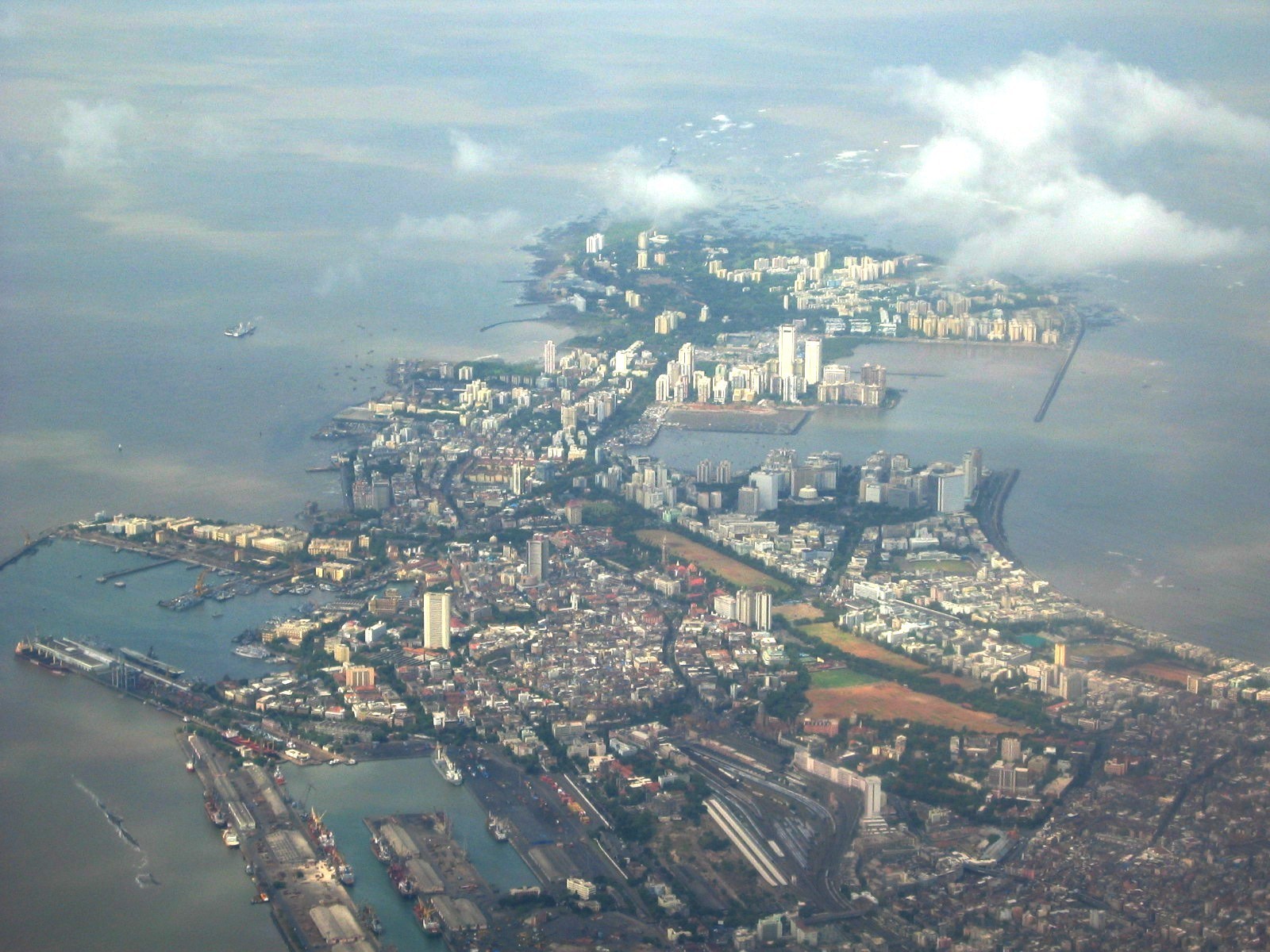
“The most unfortunate and vulgar change of all is “Mumbai,” but almost no one knows or cares about how that change happened. It was once generally accepted that Bombay comes from the Portuguese “bom bahim,” or good little harbour, just north as it is from Portugal’s long-time colony of Goa. But even if that etymology is bogus, it was under the name Bombay that it flourished and grew under the British into the most important and cosmopolitan city in South Asia.
Bombay
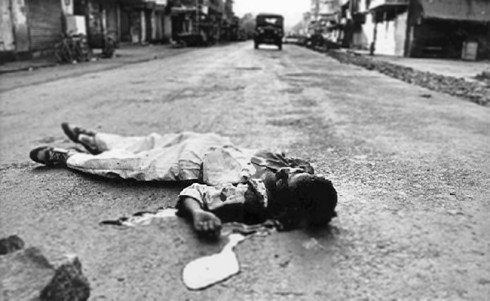
“But in 1995, the Shiv Sena party (the Army of Shiva…) won control of the state government of Maharashtra, of which Bombay is a part, though it’s so different in social and ethnic make-up from the rest of that state that it deserves a separate federal district type status like Delhi has, or Mexico City, or D.C. Shiv Sena, being a party whose power base is rural Maharashtra and poor migrant Marathis who feel they deserve more power in the city, is actively hostile to Bombay’s dizzying diversity and especially its large Muslim population. It’s essentially a Marathi branch of the BJP, only worse (and they haven’t been getting along lately): a virulently Hindutva bunch that have not only been found to be involved in Bombay’s drug, prostitution and extortion circles, but ordered and even carried out much of the more vicious anti-Muslim attacks during the Bombay riots of 1992-93: the kerosene-dousing and burning of individuals and the burning tire around the victims’s neck were a couple of their trademarks.
“When, despite all that, Shiv Sena were voted into state office in Maharashtra, their response to the poverty, massive infrastructural challenges, crime and destitution of this barely manageable city of more than twenty million was to change its name to Mumbai. This was based on the supposed fact that there was (or is, or if there hadn’t been, I’m sure there now is) a temple of a Marathi goddess of that name on the site before the colonial city rose up, which may or may not be true, but, given the fact that every square yard of India contains at least one shrine or temple to someone or something, doesn’t mean very much.
“And yet the whole world fell in line. Thinking that, like Myanmar, if it’s coming from there it must have some sort of indigenous, authentic root, filled with post-colonial guilt and worried about offending what we thought were Indian sensibilities, we all dutifully started calling it Mumbai. Fearing that using the old name would immediately make others imagine us to be jodhpur-clad gin-swillers, we let a bunch of criminal thugs and violent nationalists change the name Bombay — the name by which this great, open-to-the-sea-and-the-world, mercantile, diverse, cosmopolitan, sexy metropolis, a microcosm of India itself and its modern face to the world, was known for almost three centuries – and nobody asked why or breathed a word of resistance.
Bombay — Marine Drive — Queen’s Necklace
“So as for C-town, you choose which is more “nationalist.” Calling the city the name by which it was known to most of humanity for more than sixteen centuries? Calling it an also venerable name that the nationalist, anti-cosmopolitan, Turkification project of a military dictatorship whose attitude to the City, its legacy, history and population was actually hostile for much of the time decided the world should call it? Or just calling it both?
Or how ‘bout who cares? As long as we know which city we’re talking about.
“India’s Supreme Court has ruled that the controversial practice of instant triple talaq practised among some Muslims in the country is unconstitutional.”
Is this a victory for women’s rights? or a BJP assault on Indian Muslims’ right to their own legal/judicial system? You guys decide.
(Just going to lift this material in its entirety from The New York Times because it’s so beautiful and moving; it’s hard to find something of your own to say — NB)
–
AUGUST 14, 2017
August marks the 70th anniversary of the end of British colonial rule in India and the creation of the two independent countries of India and Pakistan, carved along religious and political lines. More than 10 million people were uprooted. We asked readers how they or their families were affected. These are some of their stories.
The author’s mother, Rashida Begum, and father, Malik Fazal Haq, in photos taken around 10 years before partition. CreditCourtesy of Tariq Malik
‘Was he calling out for me?’
In 1947 I was 10. We lived in comfort in Jammu and Kashmir state.
We lost everything at the time of the creation of Pakistan. Things can be replaced, not lives.
My father, an intellectual and educationalist, was murdered. Eight of us crossed into Pakistan dressed in summer clothes and nothing else. Winter came and we had nothing to wear and no roof over our heads. By the following summer my feet had outgrown my shoes and I had to walk barefoot on scorching earth. My feet sometimes still feel that hot surface.
Even today I get nightmares about my father’s murder. As a physician I wonder how the end came. Was he in pain, was he cold, was he thirsty, was he calling out for me?
— Tariq Malik
Suman and Anand Khorana. Credit Dr. A. B. Khorana
‘My father recalled hiding in a Muslim family’s house’
My father, Anand B. Khorana, was about 10 years old at the time of partition. His father was a civil engineer and the whole family (my grandparents, father and his five siblings) had recently moved into a new home they built as a mark of their “middle-class” status. The oldest child, a daughter, had recently become engaged. The family had lived for generations in the state of Punjab and could not conceive of living any place else. As my late father told it, everyone had heard rumblings about the state being divided into a Pakistani half and an Indian half, but few thought it would happen imminently.
At the stroke of midnight my entire family was displaced. Their land and home were deemed to be on the Pakistani side and in a few days it was pretty clear that a Hindu family, regardless of their prior status, was in danger. I don’t know all the details but, unlike most families who decided to emigrate immediately (many losing their lives on the trains in the process), my father’s family went into hiding for a few months. My father recalled hiding in a Muslim family’s house (a former employee of my grandfather’s).
Eventually, things calmed down and the family made the trek to India and resettled, initially in Delhi in refugee quarters. My grandfather was able to find a job similar to his prior one. All of their property, including the house they had recently built, was lost but the family was grateful to have made it out alive — unlike so many others. The only person believed lost was the eldest daughter’s fiancé but, a year later, she spotted him at a train station in Delhi. They married and had several children.
— Alok A. Khorana
The Ghosh family, c. 1972. The author is in her father’s arms. CreditCourtesy of Madhushree Ghosh
‘We carried the heavy utensils, because we thought copper was more valuable than silver’
My parents were young when they walked from what’s now Bangladesh to India. Baba called East Pakistan “home” until he died in 2004. His family, landowners in Dhaka, fled with their belongings; copper utensils, large bowls, plates. He used to say, “We never needed anything, so we didn’t know the value of money. We carried the heavy utensils, because we thought copper was more valuable than silver. We were children, what were we to do?”
When Baba’s bank job moved him to New Delhi, he spent days recreating his childhood vegetable garden. Cabbage, cauliflower, peas, spinach, okra, we had it all. He used to say, “Our pumpkins were bigger than the sun!” and I would believe him. Everything in Bangladesh, the place he left, was better. The roses were more fragrant, the eggplants more purple, the fish were fresher — Delhi could never compete.
Ma was 12 when her family fled Barisal for Kolkata. They sold everything, including Ma’s favorite school books. She mourned those books until she died, in 2008. But she was proud that she hadn’t marked any of them with a pen or pencil. “They were pristine,” she would say, “so Thakur da could sell them at a premium. That money helped us escape.”
— Madhushree Ghosh
The author’s father and mother, c. 1960. CreditCourtesy of Peter Jones Jr.
‘My siblings and I have been effectively stateless’
My father’s family was part of the British colonial administration. During partition my father was in Pakistan attending school while the rest of his family was in Pune, India. As hostilities erupted between Hindus and Muslims, my father was cut off from his family. He couldn’t get British citizenship because most of his papers were lost during the upheaval. So, in the ’50s, he made his way to the United Arab Emirates by ship and started a family there.
My siblings and I have been effectively stateless. Although we are familiar with Indian and Pakistani culture, we belonged to neither culture. We grew up in the Middle East, in Dubai, among other Asians but could not identify with them.
— S. Jones
The author’s father and mother in the late ’40s/early ’50s.Credit
‘He would never forgive himself if anything happened to her’
When partition was announced, my father, who worked for the British Indian Government, was posted in Bombay. He was advised that as a Muslim he would have better career opportunities in Pakistan. He was asked to report to offices in Rawalpindi as soon as possible. He left and my mother, Rosy, who was 20, and their six-month-old daughter stayed behind until he could arrange for their accommodation. Because of the chaos he could not come back to get them, so he asked my mother to take a train to Lahore. On the train a Sikh gentleman noticed my mother alone with an infant and asked her where she was going. When she told him Lahore, he was shocked and told her about the massacres that were taking place on trains going to Pakistan — my mother and father hadn’t known.
He said he was traveling to Amritsar (30 miles from Lahore) but would accompany her to Wagah, a border town between India and Pakistan, because he would never forgive himself if anything happened to her. He told my mother that if anyone asked, she was his daughter. He thought her name, Rosy, was fine since it was secular. But my sister’s name, Shahina, was distinctly Muslim, so if anyone asked her name was Nina.
He stayed with them until Wagah and walked with them to the Pakistani border, kissed them both on their foreheads and told them he wished he could take them all the way to Lahore, but he would not make it back alive.
My sister, who lives in Karachi, is still called Nina by everyone in the family. My mother insisted on that.
— Sohail Murad
The author’s father, left, grandfather and grandmother, a few years after partition. CreditCourtesy of Kanwal Prakash Singh
‘We prayed as we imagined the worst. Almighty God had other plans.’
On Sept. 7, a bespectacled Sikh man, much like my father, was killed in town and a rumor spread that he had come to set fire to the local mosque.
The next day dislocated families from surrounding villages who had taken shelter in schoolyards, grain markets and other vulnerable locations were attacked. I can still hear the cries of people shot or stabbed outside the Gurdwara and the gunfire that began around 4 p.m., as the last train left the Jaranwala Railway Station, in Pakistan, and continued into the evening.
That night women and children were sheltering in a room on the second floor of the Gurdwara with instructions on what to do if the militia broke through the doors and entered the temple. The thought still gives me chills. The temperature outside was in the 90s Fahrenheit, but inside the heat was oppressive. Some men stayed on the main floor or on the rooftop lookout, armed with sticks, swords, a pistol and one double-barreled gun. We were certain our end was imminent. We prayed as we imagined the worst.
Almighty God had other plans. For the next three days we holed-up in the Gurdwara. Our ranks swelled with the addition of the injured who were able to escape. We heard rumors that we would be attacked on Sept. 12, after Friday prayers. But there was a knock at the giant door of the temple around 10 a.m. and four Sikh military officers ordered us to leave in ten minutes and said they would escort us to the caravan of refugees that was passing. Everyone scrambled and ran with the clothes on their backs, relieved and hopeful to live another day or die with others traveling toward the new border and sanctuary of India.
— Kanwal Prakash “KP” Singh
‘I was probably the first member of my family to visit the home since 1947’
My father was a refugee and a migrant. As his child I have lived a peripatetic life, but have always been able to maintain connections with my family in Pakistan. I lived in Aligarh while I was researching my dissertation and visited the home where my father and my grandmother were born. I met the son of the family who had migrated from Lahore and received the home as refugee property (though he had been born later, in independent India). I was probably the first member of my family to visit the home since 1947 and met people who remembered my family, who were known for their love of rooftop kite flying. The family who lives there now sent homemade sweets for me to take to my Pakistani family.
— Amber Abbas
My parents with me in Calcutta at my Mundan ceremony, c. 1954.
‘He spent days carrying two Muslims from the East to the West’
My mother’s younger brother lived in Jammu and must have been a lad of 15 at the time of the partition. He was aware of the mass violence around him, but he did not take up arms and perpetuate the violence. He was a strong swimmer, and he spent days carrying two Muslims from the East to the West and then two Hindus from the West to the East on his shoulders — back and forth. My uncle’s story reminds me that people can stop the cycle of violence.
— Ripudaman Malhotra
The author’s father, left, and grandfather. CreditCourtesy of Ritesh Batra
‘It was not a national tragedy for him, but a very personal one’
My paternal grandfather and grandmother moved to Bombay during partition with their two little sons. I shared a room with my grandfather growing up and heard stories of how things were before and silences about what happened during. In his last year my grandfather would often weep about partition. It was not a national tragedy for him, but a very personal one.
My maternal grandfather moved to Lucknow in India at the height of the violence. They lost many cousins and relations, but the immediate family made it safely. He restarted an optical shop called Lahore Opticals, named after the city of his birth, and became successful. When Hindu-Muslim strife breaks out in India, the shop is invariably targeted. But my grandfather never changed the name. His shop is now run by my uncle and is still named after the city they fled, now in Pakistan.
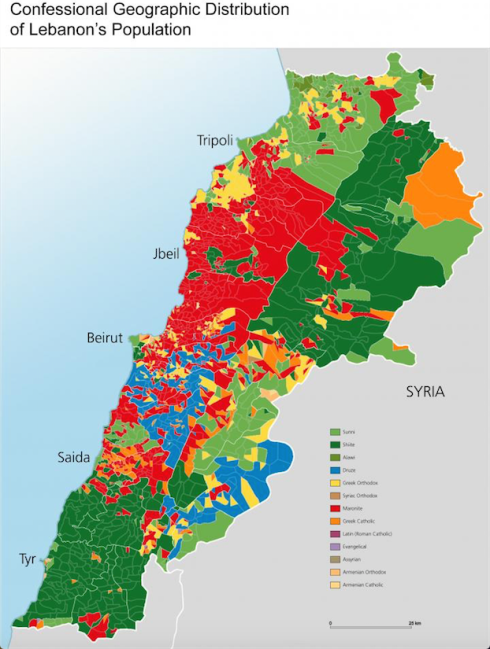
I was once dragged by force into a corner by a Lebanese friend at a party in Cambridge and told to never ask anyone Lebanese their religious affiliation, I guess because I probably just had done. Of course, I still ask. Like I implied in my Turkish post a few days ago, pretend unity (that you’re a passionate Erdoğan supporter and I’m not, or if you’re Maronite and I’m third-generation Palestinian doesn’t mean that we can’t still be “unified”), can only become real unity if differences are acknowledged. (*1)
I’ve had not dissimilar experiences with Irish folks if I’ve ever tried to talk about religion orUlster or “the Troubles.” I once asked a guy at an Irish bar in Queens who was from Northern Ireland if he was Catholic, and I got a blank and frankly angry stare in response, and with so much alcohol and testosterone in the mix, realized quickly I should shut up and look the other way or change the topic. A female bartender who heard the one-sided exchange said to me softly: “not a good idea to ask people those things…” Ok.
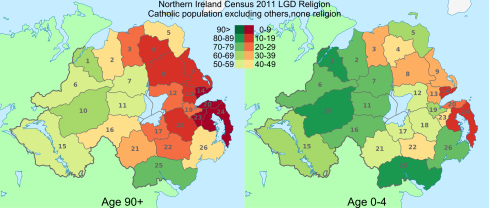
Map of Northern Ireland with distribution of Protestants (red) and Catholics (green) according to age group, showing a clear demographic decline of Protestants.
I also hear Irish anger at what they think is an out of touch diaspora that funded continuing IRA violence when the Irish themselves on both sides were starting to get tired of the violence and the fences were starting to come down — though that’s slightly disingenuous — in the early days these diaspora funders were heroes — and, as a non-metropolitan Greek, immediately assuming that the “diaspora” is “out of touch” or stuck in a time warp is a seriously irritating train of thought; there’s lotsa ways we’re more in touch than you lot.
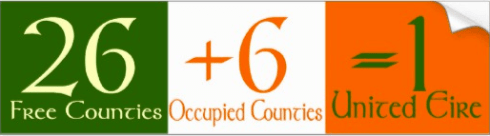
So I’m really setting myself up as an easy target since I’m not even Irish or Irish-American. But I feel I can’t be silent as the English decide the future of any part of Ireland again.
I know that the Brexit vote came as a shock to a lot of Americans, as we were forced to confront the fact that the English are not all that smart, and can be as jingoistic, xenophobic, ignorant and proudly “know-nothing” as Americans can be. And I say the English because Scotland and Northern Ireland voted against leaving the European Union — in Northern Ireland, particularly, in percentages that would indicate a large number of Protestants voted to stay as well — and they should now be free to decide their own fates free of London.
Sometimes I feel that my views on the ethnic nation-state and minorities come across as selective and sort of random to readers, so let me take this moment to clarify a bit. I am, of course, against the brutal assimilationist policies of the nation-state and a supporter of minority language and cultural rights. On the other hand, I’m also against a minority holding an entirely polity hostage because it refuses to conform with the conditions of living in a state where they don’t hold numerical superiority.
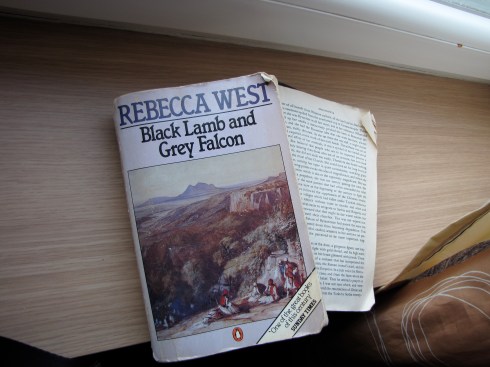
There’s a great and frustrating passage in Rebecca West‘s beautiful Black Lamb, Grey Falcon, where her Serbian (and half-Jewish) tour-guide is arguing with a Croatian intellectual in Zagreb; “but you are not loyal” says the Serb:
Croat: You treat us badly. How can we be loyal?
Serb: You’re treated badly because you’re not loyal.
Croat: How can we be loyal if we are treated badly?
Serb: If you were loyal, you wouldn’t be treated badly.
Croat: When you treat us better, we’ll be loyal.
Serb: As long as you’re not loyal you can’t expect to be treated better.
And on and on and on…
(Rebecca West, who along with disconcertingly smart and honest, was clearly a real babe as well — broke a lot of hearts and refused to forgive when hers was…cool. As Lauren Cooper would say: “Forgiving is for l-o-o-o-o-z-u-u-h-h-z-z!!!”)
Of course, we saw, during WWII, just after West’s second trip, and then again by the end of the last century, that Croatians had no intention of being loyal to Yugoslavia no matter how much bending-over-backwards to ‘treat them better’ Belgrade did.
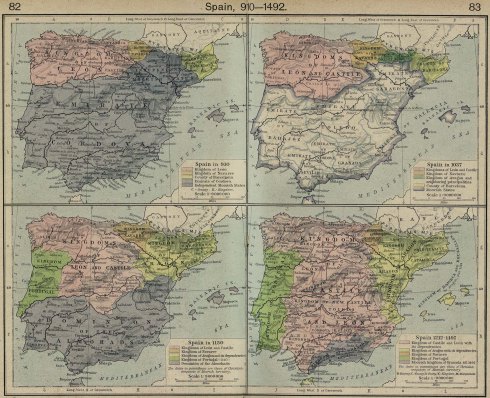
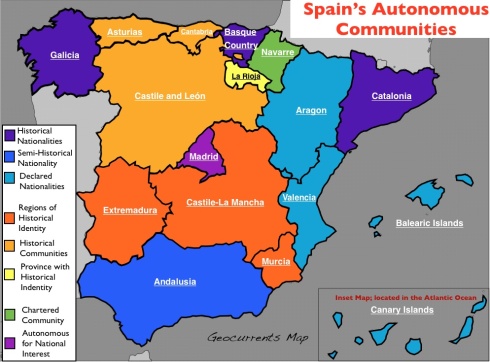
Or take Catalans again, in a state where as a minority they are treated exceptionally well. Still, with full language and cultural rights, they feel Madrid is oppressing them and they want full independence, threatening to rip apart the fabric of a country that has made impressive democratic achievements over the past few decades. And those of you who bought the public relations crap about how “hip, cool and Mediterranean” Catalonia is, and who spend your tourist money in Barcelona and the Balearics have only contributed to the discriminatory tendencies of Catalan chauvinism and the worsening crisis of Catalan separatism. Try Galicia or the Basque Country if you want to see parts of Spain that are not part of the Castilian center, but where ethno-linguistic difference has made its peace with the Spanish state and society has agreed to co-existence. Or if they’re too rainy and un-Mediterranean for you, go to Córdoba and Granada (skip Seville, too Catholic and bull-obsessed), poorer parts of the country that need your money and where you can buy the public relations spin of Edward Said instead, who once outrageously made the claim that 60% of Spanish vocabulary is of Arabic origin, (or maybe the spin of Al Qaeda and ISIS) and wallow in Al-Andalus nostalgia.
Even more and very closer to home: my father’s Greek minority village of Derviçiani in southern Albania. My early-days romance with the village is kinna over and I feel free to express things that I’m angry at myself for not saying to the faces of people there earlier.
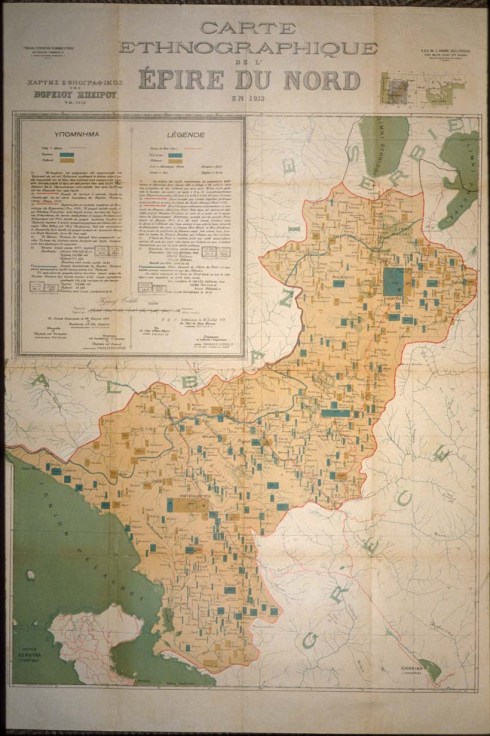
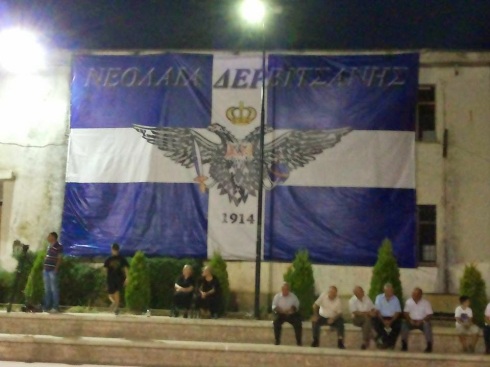
I’d love to ask: what the f*ck do you want exactly? They have Greek primary and secondary education; they have Greek churches (a Church about which few of them know anything or take seriously in any way, or have bothered to learn about in order to address the consequences of four decades of enforced atheism, but they have them); the Albanian Orthodox Church itself — meaning not just Greek minority churches, but the Church of Orthodox Albanians — in fact, is headed, run and staffed by Greeks, (extremely enlightened ones, I have to admit), the way the Arab Orthodox Churches of the Levant were for so many centuries; they have, I believe, two political parties that have members who sit in the Albanian parliament. If their villages are experiencing slow to rapid depopulation, it’s not the fault of Albanians or Tiranë; they were simply trapped — Greeks and Albanians together — in a Stalinist cage for fifty years and now are free to leave: the villages of Greek Epiros started hemorrhaging inhabitants soon after WWII, and neighboring Albanian villages, both Christian and Muslim, are also emptying of young people. Still, they’re hostile to neighboring Albanians; still, they want autonomy for “Northern Epiros,” which for some of them stretches half-way up to the middle of Albania (I don’t care if “the stones speak Greek all the way to Dyrracheio/Durrës” — The. People. Who. Live. There. Now. Don’t. And don’t want to be part of a Greek autonomous region. 2**); still, they make Muslim girls get baptized if they want to marry any of their precious boys, μη χέσω (thank God Albanians still wear their Islam kind of lightly or these poor girls would be in serious trouble) and will ostracize any Christian daughter or sister who falls in love with and marries a Muslim; still, they get offended, even a hip, British-educated nephew does, if you visit the pleasant, well-watered, historical Muslim village of Libohovo — Albanian Libohovë — across the valley and you come back and say it was very nice and that the young people there don’t seem much different than ours. Of course, this attitude is a self-fulfilling prophecy, as the conversation from Black Lamb… above indicates, so that when you put up the flag of Autonomous Northern Epiros 1914 on August 15th and the Albanian police has to come and take it down, then you’ll just end up on the bad side of the Albanian authorities and ordinary Albanians’ retaliatory instinct and the vicious cycle will just keep going.
A flag of the Youth of Derviçiani, which, just by wild and completely invented coincidence, happens to have been “founded” in 1914, the year there was a short-lived experiment in Northern Epiroteautonomy, which was squashed by Italian objections, because Italy considered Albania within its sphere of influence. Obviously not a sign of just the “youth” of the village — there was no Youth of Derviçani in 1914. And if there are still any doubts, the Palaelogan double-headed eagle lays them to rest.
(Really, is there anything as idiotic as a flag?)
But back to Ireland. I think Ulster Protestants caused enough “troubles” by acting — with the hypocritical support of England — like they were a besieged minority that couldn’t be part of the Irish Republic. So if a majority of Northern Irish voters chose to exit the Brexit, that’s a golden opportunity just dropped out of the heavens into our laps to correct an egregious historical wrong. The invasion and conquest of Ireland, its depopulation and the ripping to shreds of its society, culture and language did not start with the Potato Famine of the nineteenth century. It started with the Normans and the Plantagenets, and then the Tudors and the Stuarts and, finally, Cromwelland his Taliban, and it was a grueling, vicious, murderous process, as violent, or more, as any of Britain’s other colonial wars and right on Europe’s front door, and the Plantation of Ulster itself and the rest of Ireland was a conscious colonial policy of appropriating land and settling poor Protestant Scots and northern Englishmen in the country in order to “civilize” it and break Irish resistance to English hegemony.
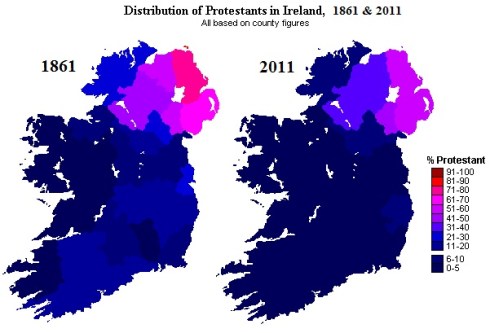
If the above maps seem to indicate that a large number of Protestants left the Irish Republic in the twentieth century because they didn’t feel comfortable without the English crown’s protection, that’s unfortunate (it was not so unfortunate in cases where the Anglo-Irish elite felt they had to flee when their expropriated land was re-expropriated) but that can’t be a justification for the continued amputation of the country.
It’s a classic strategic move, though. Ulster Protestants are not a socioeconomic group comparable to the Anglo-Irish landowners; they were always as squire-ridden as their Catholic neighbors and are still pretty much on equal footing in that sense.
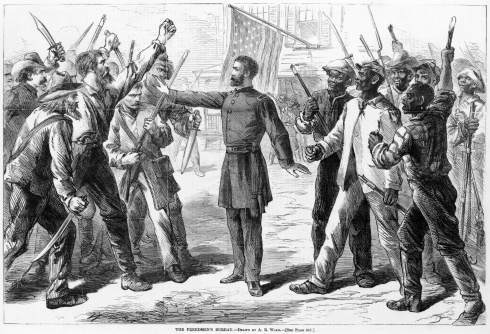
But everybody has to be better than somebody, or else you’re nobody. So, just like Catalans have to think they’re really Mare-Nostrum-Provençal Iberians (3 ***) and not part of reactionary Black Legend Spain; or Neo-Greeks have to think that they’re better than their Balkan neighbors (especially Albanian “Turks”) because they think they’re the descendants of those Greeks; or the largely lower-middle class, Low Church Anglican or Presbyterian or Methodist Brits who fled their socioeconomic status back home and went out to India in the nineteenth century in order to be somebody, had to destroy the socially laissez-faire modus vivendi that had existed there between Company white-folk and Indians, creating an apartheid and religiously intolerant, aggressively evangelizing, social system that laid the groundwork for the unbelievable blood-letting of the Indian Rebellion of 1857; or, perhaps history’s greatest example, poor whites in the American South(many, ironically, of Northern Irish Protestant origin) that had to terrorize Black freedmen back into their “place” because the one thing they had over them in the old South’s socioeconomic order, that they weren’t slaves, had been snatched away (and one swift look at the c-ontemporary American political scene shows clear as day indications that they’re, essentially, STILL angry at that demotion in status); or French Algerians couldn’t stomach the idea of living in an independent Algeria where they would be on equal footing with Arab or Berber Algerians. So Protestant Ulstermen couldn’t tolerate being part of an independent state with these Catholic savages.
A Bureau agent stands between armed groups of whites and Freedmen in this 1868 sketch from Harper’s Weekly.
Recent White supremacist rally at the University of Virginia in Charlottesville — thanks to @JuliusGoat: “Imagine if these people ever faced actual oppression.”
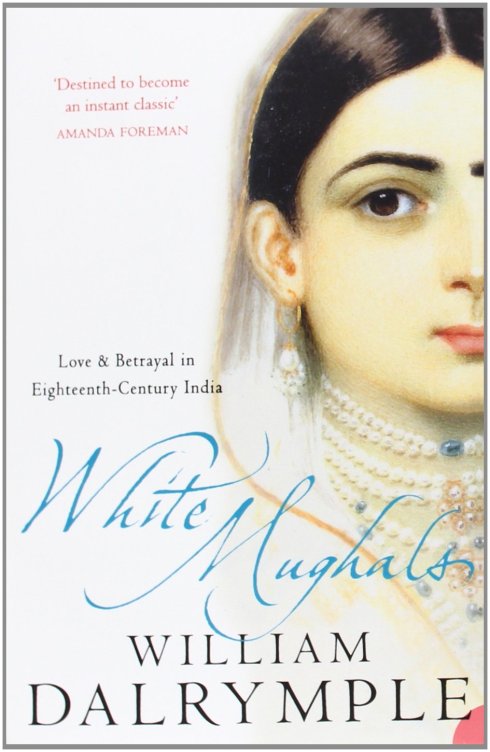
The colonial power — or just the colonized mind — then disingenuously but actively seeks to right these wrongs and protect the embattled minority. The results? A Lebanon torn apart by Maronite phobias and Palestinian victim-entitlement; the greatest threat to Spanish democracy since Franco; a Greece completely isolated from its nearest and closest — in every sense — neighbors; an India where British response to the Rebellion effectively disenfranchised Indian Muslims (4 ****) — Dalrymple shrewdly locates one of the beginnings of modern Islamic fundamentalism in that disenfranchisement and the Deobandi Islam it created 5 *****; the Ku Klux Clan and the murder of Emmett Till and Donald Trump; the vicious Algerian War of Independence, which resulted in French Algerians having to flee the country entirely to a France where they’re still a bulwark of reaction and racism, and the still bad blood between Algerian immigrants and natives in that country.
(I thought about adding Cyprus to that list, that’s going on forty-some years of division after the 1974 Turkish invasion, but didn’t, because Turkish Cypriots actually were an embattled minority, and Greek Cypriots have to do some moral self-searching about their terrorizing, or passively supporting the terrorizing, of their Turkish neighbors, before they blame either Turkey or the Greek junta for f*cking things up for them.)
I was against the Scottish independence referendum of a few years ago because I’m against separation and the putting up of borders generally. But then the apparently stoned British electorate went and separated itself from the rest of Europe, and if Scotland and Northern Ireland and Wales even, or Cornwall or the Isle of Manx or Jersey and Guernsey for that matter, want independence from England now, England will have only brought that down on its own head. If Northern Ireland votes to stay in the European Union then de facto reunion with the Republic will have occurred; I would just like de jure recognition of that facto too, so that there’s no more excuse for meddling in Irish affairs. Irishmen have done a lot of genuinely hard work confronting the demons of their own past in recent years; today’s Ireland is a democratic, pluralist, morally progressive society where the Catholic Church’s death-grip has been broken. That Ulster Protestants can’t live there in peace and security and without English protection is a ludicrous idea.
So let it happen, and if Ulstermen don’t like it — sorry to sound like a reactionary nativist — but they’re free to go back to Scotland where they came from. Or if they want they can come here and join their distant cousins in Kentucky and the Ozarks. I’m sure President Trump will consider them the “right” kind of immigrants.
1 * It’s a little reductive, but I think it’s not outrageously so to see the Lebanese Civil War as essentially, or initially, a conflict between Maronite demographic panic and paranoia (not entirely unjustified) and Palestinian entitlementof the oppressed (even more justified); every other group seems to then have had no choice but to choose sides. Then add Israel — which arguably started the whole problem — and Syria to the mix, και γάμησέ τα.
2 ** Of course, Northern Epirote Greeks’ δήθεν innocent desire for autonomy is completely disingenuous — though we’re supposed to think that Albanians are too stupid to get that — and is really just a prelude and first step to independence and union with Greece, though they’re a demographically fast-dwindling percentage of the population of the region they lay claim to. That’s not a deterrent, however; all you have to do is believe that all Orthodox Albanians are reeeeeeeally Greek and you’ve solved your demographic issue, since Muslim Albanians are just turncoat intruders in the region as far as Northern Epirotes are concerned.
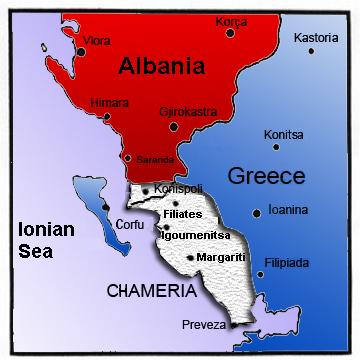
The only obstacle that would then be left is to get Albanians to forget what happened to the Muslim Albanian Çams of western Greek Epiros (Albanian: Çamëria, Greek: ΤσαμουριάTsamouriá) during WWII, when they were subjected to massacre and expulsion in a campaign of ethnic cleansing by the Greek right-wing resistance and had to flee to Albania.
I still haven’t figured out how, as Muslims, they escaped the Greco-Turkish Population Exchange of the 1920s; it would’ve been a more merciful fate. I also haven’t figured out how the tsamiko, a dance of central and southern Greece, got its name. Or else, what clues to a forgotten past the fact that my grandmother’s maiden name was Çames provides; almost all our last names are Albanian — with the Greek male nominative -s ending added to them — as in Bako-s — but as far as I know there’s no clan in our villages whose last name is actually the name of an Albanian sub-ethnic group. See: (“Easter eggs: a grandmother and a grandfather“.
This kind of issue always reminds me of the Puerto Rican expression from a song of I dunno what period: “¿Y tu abuela donde está?” or “¿Y tu agüela, aonde ejtá?” “And where’s your grandmother?” i.e., before you get all high and mighty and Whitey on us, show us the Black grandmother you’ve got hidden in the kitchen.
3 *** This fetishizing of the Mediterranean as a region, a lost paradise of cosmopolitanism and healthy diets, drives me nuts. Everyone is suddenly “Mediterranean.” The big laugh, of course, is that Turks are Mediterranean. Then comes the less funny one about Croatians being Mediterranean, whereas Serbs are clearly not — Croats wanting to have it both ways, and be Mediterranean and Mitteleuropean at the same time — even if they’re from neolithic Herzegovina and about as neanderthal themselves as their Serbian and Muslim neanderthal neighbors; Istrians have sealed their Mediterranean-ness by buying every Italian restaurant in New York City’s boroughs, and of course the largely Italianate Dalmatian coast seals in most Europeans’ minds the idea of Croatia as a country on the f*cking M-E-D-I-T-E-R-R-A-N-E-A-N. Actually, the closest example to Croatians’ appropriation of a largely Venetian Adriatic is the Turkish appropriation of Greek Aegean imagery, in tourist and p.r. language, on both the Anatolian coast and in Imbros and Tenedos.
Just as nicely condescending is the saying from some-where in the Iberian periphery that “de Madrid no se ve el mar,” “you can’t see the sea from Madrid.” Supposedly a jab at Castillian casticismo, and inward-looking provincialness. No, you can’t see the sea. That’s why Castille is such a beautiful, high plateau, dry and bright and chilly and Romanesque and stunning in its emptiness and vastness.
A White Turk friend once dragged me to Sorrento on our trip to Naples and Campania, which I knew would be a mistake, because it would be and turned out to be a tourist-swamped, hellish Thomas Cook holiday trap because it was “on the sea.” (but one makes concessions to one’s travelling partner’s fantasies.) We cut out as soon as we could and headed to Ravello, up in the mountains away from the sea and she was blown away by how beautiful it was.
And what happens to Greeks like me? who are from a part of the Greek world that is clearly more Balkan in every way than it is Mediterranean? What do we have to do to join the club?
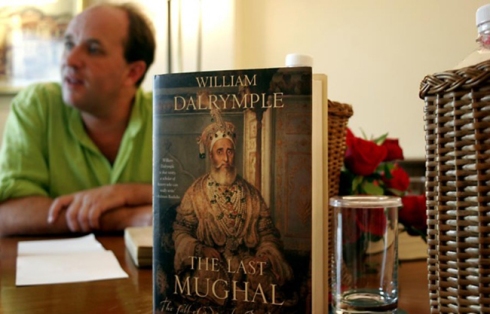
4 **** William Dalrymple is a great historical writer who does what professional academics can’t do because they’re so specialized that they can easily say: “Sorry, I don’t work on that period” when you ask them anything they don’t know. The breadth and depth of his knowledge on South Asia is truly amazing and he makes it all interesting and stimulating for the layman without dumbing it down. When I first started this blog I wrote to him asking to reproduce some of the passages on the British destruction of Mughal Delhi contained in his book, The Last Mughal, and he immediately and generously shot back with an email that said: “Go for it.” Thanks again.
“Following the crushing of the Uprising, and the uprooting and slaughter of the Delhi court, the Indian Muslims themselves also divided into two opposing paths: one, championed by the great Anglophile Sir Sayyid Ahmad Khan, looked to West, and believed that Indian Muslims could revive their fortunes only by embracing Western learning. With this in mind, Sir Sayyid founded his Aligarh Mohamedan Anglo-Oriental College (later Aligarh Muslim University) and tied to recreate Oxbridge in the plains of Hndustan.
“The other approach, taken by survivors of the old Madrasa i-Rahimiyya, was to reject the West in toto and to attempt to return to what they regarded as pure Islamic roots. For this reason, disillusioned pupils of the school of Shah Waliullah, such as Maulana Muhammad Qasim Nanautawi – who in 1857 had briefly established an independent Islamic state north of Meerut at Shamli, in the Doab – founded an influential but depressingly narrow-minded Wahhabi-like madrasa at Deoband, one-hundred miles north of the former Mughal capital. With their backs to the wall, they reacted against what the founders saw as the degenerate and rotten ways of the old Mughal elite. The Deoband madrasa therefore went back to Koranic basics and rigorously stripped out anything Hindu or European from the curriculum.*
*(It was by no means a total divide: religious education at Aligarh, for example, was in the hands of the Deobandis.)
“One hundred and forty years later, it was out of Deobandi madrasas in Pakistan and Afghanistan that the Taliban emerged to create the most retrograde Islamic regime in modern history, a regime that in turn provided the crucible from which emerged al-Qaeda, and the most radical and powerful fundamentalist Islamic counter-attack the modern West has yet encountered.”
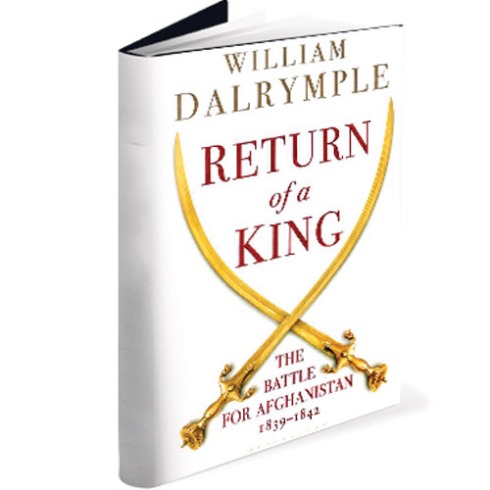
See also his magisterial The Return of a Kingon nineteenth-century Afghanistan, which I have a few issues with, particularly his conclusions, but which was a couldn’t-put-it-down one for me.
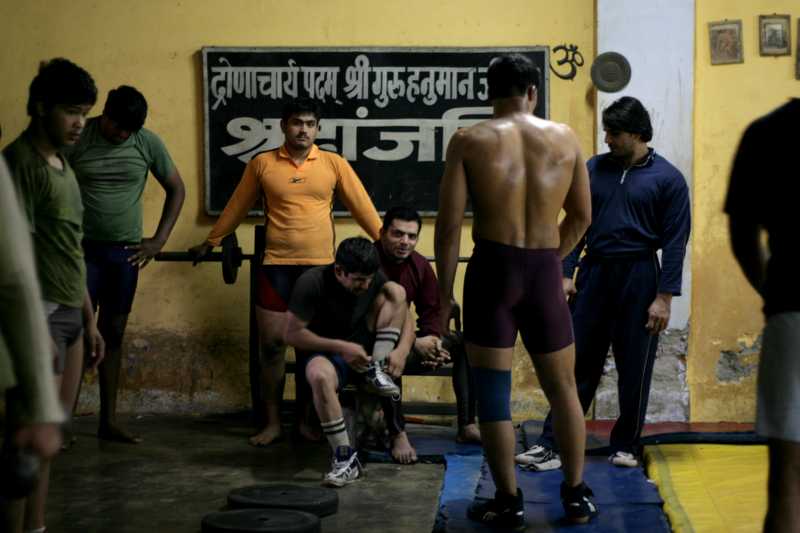
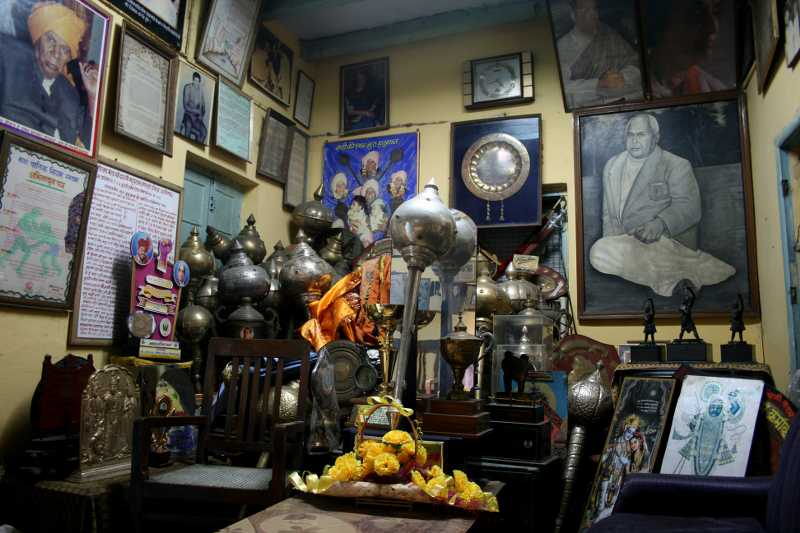
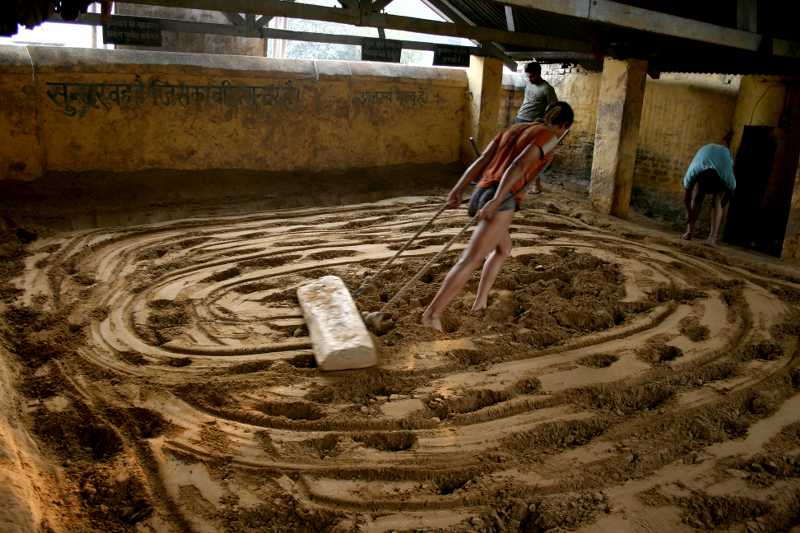
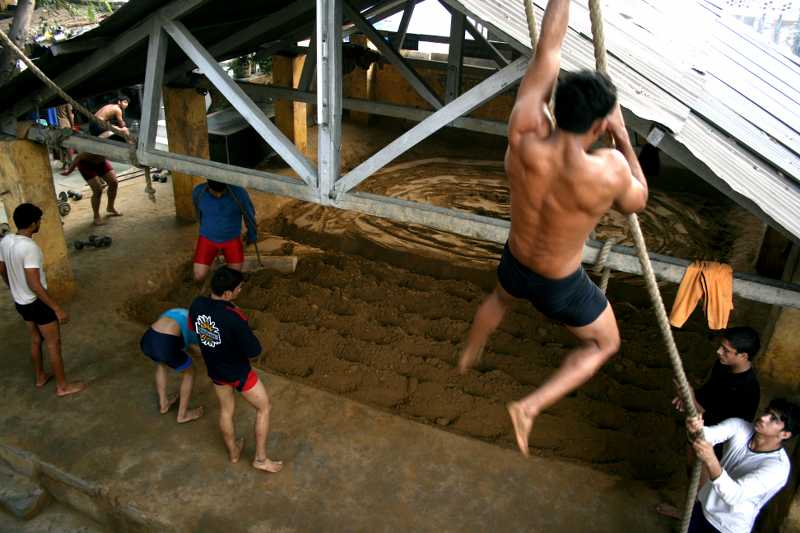
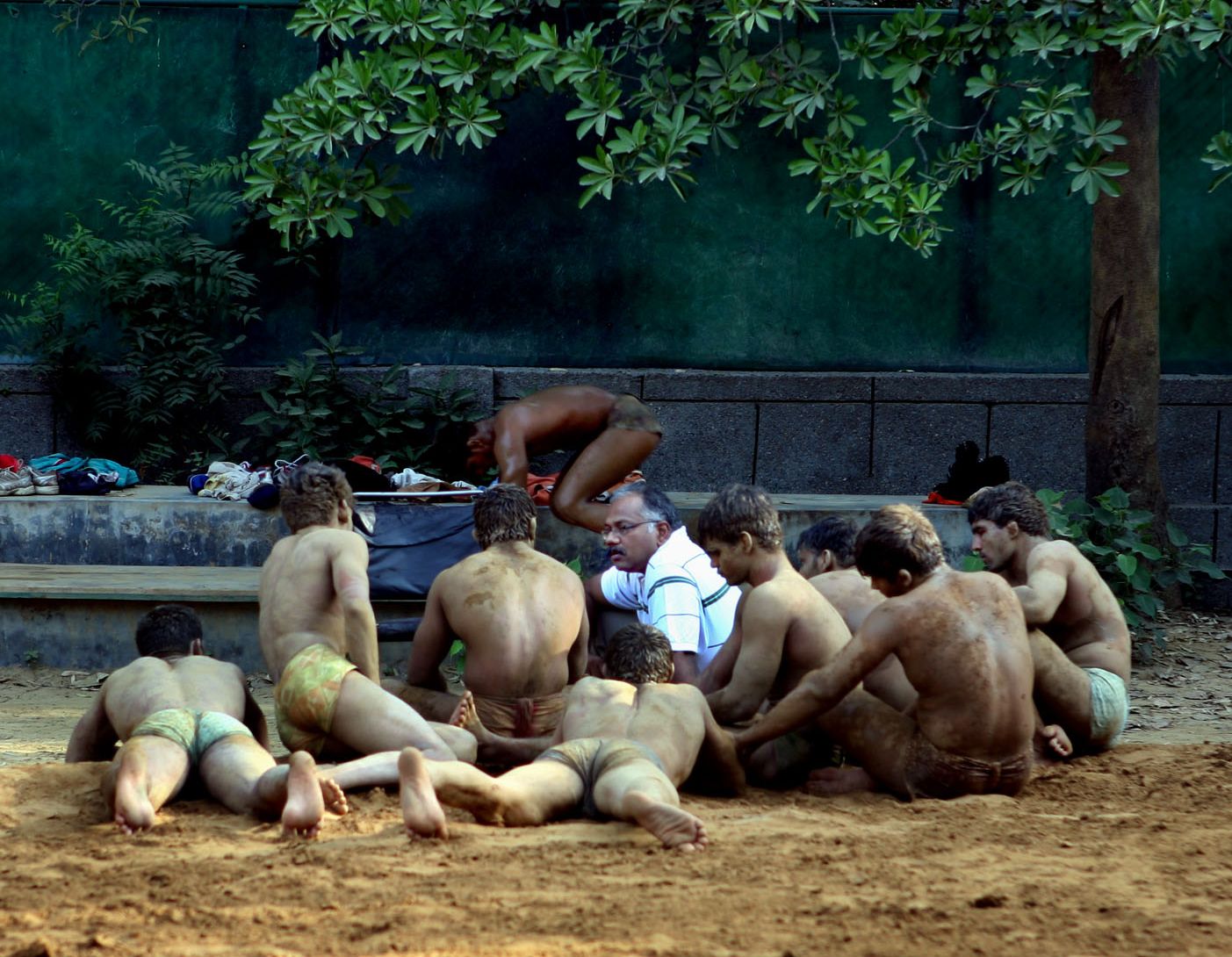
“At 5 in the morning when most of us are still curled up in bed, some young wrestlers begin a daily tradition. A tumbler full of warm milk and 30 almonds down they reach the practice ground and pay their respects to Lord Hanuman, the God of good health and courage. Then begins the strenuous training of theses wrestlers aka Pehlwans.
[Every wrestling akhara is also a Hanuman shrine]
“This is the modern day wrestling in India locally called ‘Kushti’. It is also a dying art that traces its roots to the 5th century BC. Once, the sport enjoyed royal patronage and immense popularity. Whole villages would turn out to watch the local tournaments. But over the past few decades, like all other sports, it lost its popularity to cricket – an obsession in India.
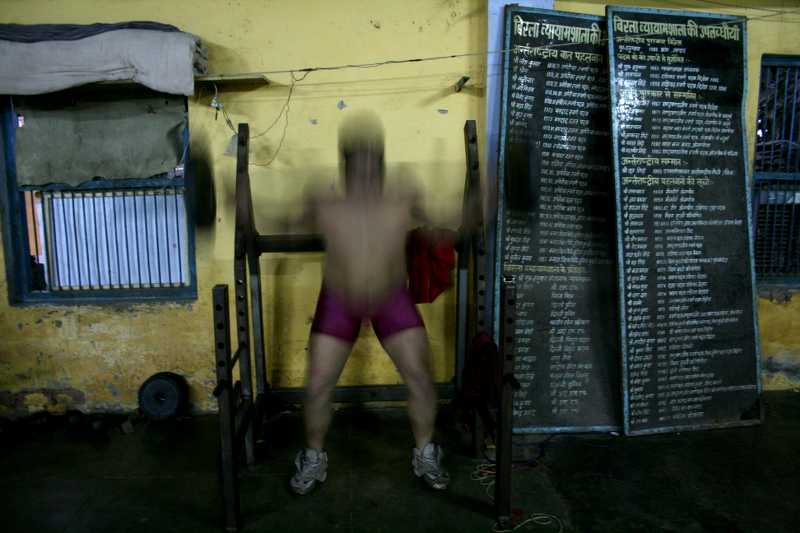
“But these phelwans are nowhere near giving up. They lead parallel lives working as part time cops, railway officials and make do with what (if at all) the government offers them. And they need all they can get because wrestling is by no means a cheap profession. Their daily diet consists of 3-5 litres of milk, about a 100 almonds and three square meals a day.
“These photographs document the training sessions of many such wrestlers.”
This is a piece of graffiti that appeared in the Slovenian capital city of Ljubljana in 1992, at the beginning of the worst period in the Yugoslav wars and after Slovenia had become independent. “Burek [‘börek’ in Turkish, pronounced exactly like an umlauted German ‘ö’]? Nein Danke.” Burek? Nein Danke. “Burek? No Thank You.” What a silly slogan, ja? How innocuous. What could it possibly mean? Who cares? And how can NikoBako maintain the bizarre proposition that a piece of graffiti in a rather pretentious black-and-white photograph is an important piece, in its ugly, dangerous racism, of the break-up of Yugoslavia.
Back up then. There are certain — usually material — aspects or elements of Ottoman life in the Balkans, which, even for Christians in the region, despite the centuries of unfortunate hate and reciprocal bloodletting (and no, I don’t think pretending that wasn’t true or that “it wasn’t that bad” is the key to improving relations between us all now; I think the truth is the key), remain objects of a strange nostalgia and affection. They linger on — even if unconsciously, or even as they’re simultaneously an object of self-deprecating humour or considered homely backwardness – as evidence that Ottoman life had a certain refinement and elegance that these societies have now lost. You sense this often intangible and not explicitly acknowledged feeling in many ways. Folks from my father’s village, Derviçani, for example, now go to Prizren in Kosovo to order certain articles of the village’s bridal costume because they can no longer find the craftsmen to make them in Jiannena or Argyrocastro, and they’re conscious of going to a traditional center of Ottoman luxury goods manufacture. You feel it in what’s now the self-conscious or almost apologetic serving of traditional candied fruits or lokum to guests. Or still calling it Turkish coffee. Or in Jiannena when I was a kid, when people still had low divans along the walls of the kitchen where they were much more comfortable than in their “a la franca” sitting rooms. 1* Perhaps the sharpest comparison is the way the word “Mughlai” in India still carries implications of the most sophisticated achievements of classical North Indian…Muslim…culture, even to the most rabid BJP nationalist. 2**
There are some places where this tendency is stronger than in others. Sarajevo and Bosnia are obvious; they still have large Muslim populations though and, after the 90s, Muslim majorities. But Jiannena – which I’ll call Yanya in Turkish for the purposes of this post, the capital city of Epiros and one often compared to Sarajevo: “a tiny Alpine Istanbul” – is also one such place. Readers will have heard me call it the Greek city most “in touch with its Ottoman side…” on several occasions. You can see why when you visit or if you know a bit of the other’s past: or maybe have some of that empathy for the other that’s more important than knowledge.
About half Greek-speaking Turks before the Population Exchange, Yanya was a city the Ottomans loved dearly and whose loss grieved them more than that of most places in the Balkans. It’s misty and melancholy and romantic. It has giant plane trees and had running waters and abundant springs in all its neighbourhoods, along with a blue-green lake surrounded by mountains snow-capped for a good five or so months of the year. It experienced a period of great prosperity in the eighteenth and especially nineteenth century, when it was not only a rich Ottoman commercial city but also a center of Greek education: “Yanya, first in arms, gold and letters…” – and, especially under the despotic yet in certain ways weirdly progressive Ali Paşa, was the site of a court independent enough to conduct foreign policy practically free of the Porte and fabulous enough to attract the likes of Pouqueville and Byron, the latter who never tired of commenting on the beauty of the boys and girls Ali had gathered among his courtiers, as Ali himself commented profusely on Byron’s own. All the tradition of luxury goods associated with the time and the city: jewelry, silver and brassware, brocade and gold-thread-embroidered velvet, sweets and pastries – and börek – still survive, but are mostly crap today, even the börek for which the city used to be particularly famous, and your best luck with the other stuff is in the city’s numberless antique shops.
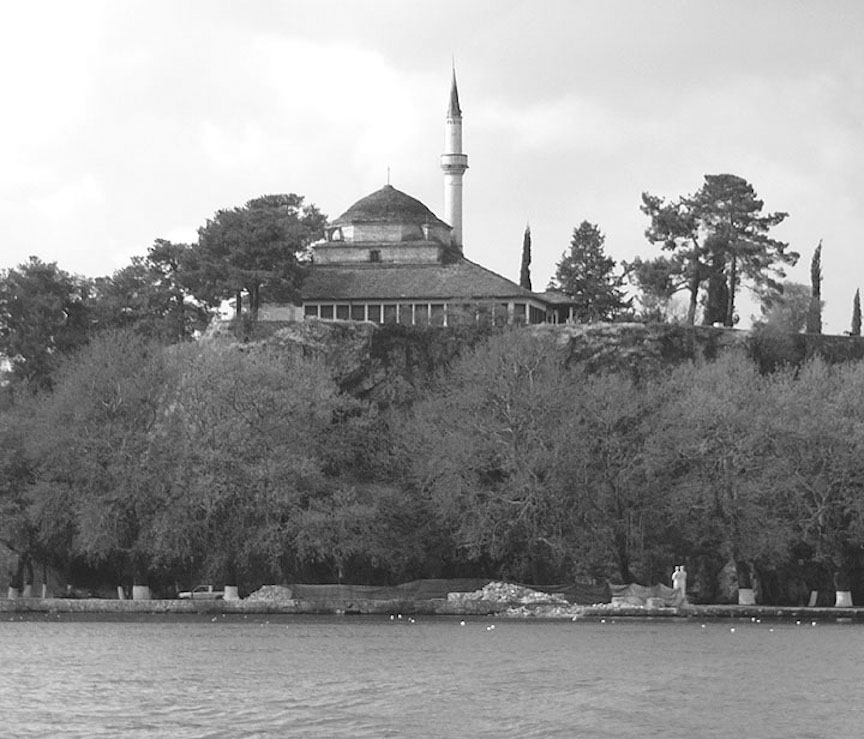
It also, unusually, and which I like to ascribe to Yanyalıs’ good taste and gentlenesss, has preserved four of its mosques, the two most beautiful in good condition even, and on the most prominent point of the city’s skyline. It would be nice if they were opened to prayer for what must be a sizable contingent of Muslim Albanian immigrants now living there — who are practically invisible because they usually hide behind assumed Christian names — but that’s not going to happen in a hundred years, not even in Yanya. Maybe after that…we’ll have all grown up a little.
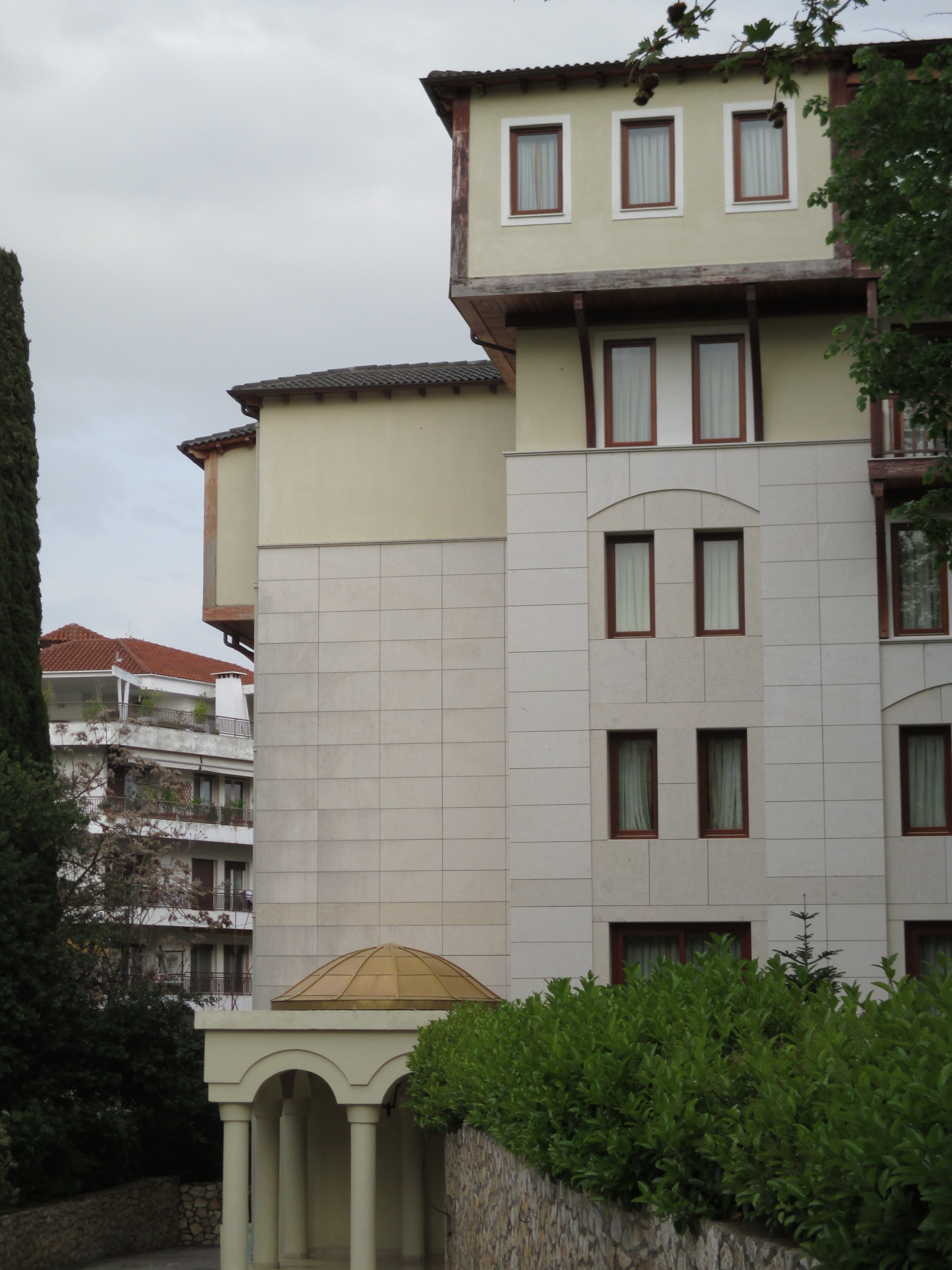
And, alone perhaps among Greek cities, only in Yanya can one open a super-luxury hotel that looks like this, with an interior décor that I’d describe as Dolmabahçe-Lite, call it the Gran Serail, and get away with it. 3***
Digression Bakos. What’s the point? What does this have to do with Yugoslavia? I’m not digressing. I’m giving a prelude. “People don’t have the patience for this kind of length on internet posts.” I don’t post. I write, however scatterbrainedly. And not for scanners of posts. For readers. However few have the patience.
So. Croatians don’t eat börek. The prelude should have been enough for me not to have to write anything else and for the reader to be able to intuit the rest. But for those who can’t…
The graffiti on the wall in the photo at top is dated 1992, but I think it had appeared as a slogan as early as the late 80s when Slovenes and Croats started airing their completely imaginary grievances against Serbian domination of Yugoslavia and making secessionary noises. What it meant is that we, Hapsburg South Slavs, were never part of the Ottoman Empire and therefore never were subject to the barbaric and development-stunting influences of said Empire that Serbs and whoever those others that live south of them were, and therefore have the right to be free of the intolerable yoke of Serbdom. We don’t eat burek. Not only do we not eat burek, but you offer it to us and we’ll refuse in German – “Nein Danke” – just to prove how much a part of the civilized Teutonic world of Mitteleuropa we are. 4*** (I think it was Kundera who wrote about the geographical ballooning of “Central Europe” after the fall of communism, till “Eastern Europe” finally came to mean only Russia itself. ‘Cause as we now see, even Ukraine is part of Central Europe.)
Why this yummy pastry dish was singled out as a sign of Ottoman backwardness and not, say, ćevapi or sarma, I can’t say.
And when I talk about Hapsburg South Slavs I’m obviously talking about Croats, because, let’s face it, who cares about Slovenes? And there may be very few, if any, compelling historical or cultural reasons of interest to care about Croatians either, except, that as most readers must know by now, I consider them the people most singularly responsible for the Yugoslav tragedy. And this post is my chance to come clear about why I feel that way. There may be lots of interpretations of what the “Illyrianist” intellectuals of Vienna and Novi Sad and Zagreb had in mind when they started spouting theories of South Slav unity in the nineteenth century; countless theories about how Yugoslavia or the original Kingdom of the Serbs, Croats and Slovenes was formed; many analyses of what happened in Paris in 1919 and what kind of negotiations led to the Corfu Declaration; and reams of revisionist stuff written about exactly what Croatia wanted out of this union. But, for me, one basic fact is clear: that Croatians were always part of Yugoslavia in bad faith; that they wanted something out of the Serb efforts and Serbian blood that was decisive in defeating Austria in WWI, but that that something was independence, or greater autonomy within an Austria that they probably never expected to be dismembered the way it was – anything but what they felt was being subjected to Belgrade. And that became immediately clear upon the formation of the state when they – being, as Dame Rebecca calls them, good “lawyers” – began sabotaging the normal functioning of the Yugoslav government in any way they could, no matter how more democratic the Serbs tried to make an admittedly not perfect democracy, no matter how many concessions of autonomy Belgrade made to them. If there were any doubt as to the above, even when Radić and his Croatian People’s Peasant Party had turned the Skupština into a dysfunctional mirror image of today’s American Congress, even when a Macedonian IMRO activist working in tandem with Croatian fascists assassinated Serb King Aleksandr in Marseille in 1934, it was subsequently made brutally clear by the vicious death-spree Croatian, Nazi-collaborating fascism unleashed on Serbs during WWII, a true attempt at ethnic cleansing that dwarfs anything the Serbs may have done during the 90s — which is dwarfed again by what Croatians themselves did in the 90s again: the most heinous Nazi regime, “more royalist than the king,” as the French say — more Nazi than the Nazis — to appear in Eastern Europe during WWII. And they have not been even remotely, adequately, held to account by the world for any for any of the above; all this ignored, even as the West maintains a long list of mea-culpas it expects Serbs to keep reciting forever.
King Aleksandr of Yugoslavia (click)
And so, when they got their chance in the 90s, with the backing of a newly united, muscle-flexing Germany, Croatians abruptly and unilaterally and illegally declared their long-wished for (but never fought-for) independence. And so did Slovenia; but again, who cares about Slovenia? It was a prosperous northern republic that may have held the same Northern-League- or-Catalan-type resentments against a parasitic south that was draining its wealth, but it was ethnically homogeneous and its departure left no resentful, or rightfully fearful, minorities behind. But Croatia knew, when it declared its independence – as did, I’m sure, their German buddies – that they were pulling a string out of a much more complex tapestry. And did it anyway. And we all saw the results. 5*****
So when a Croat says “Nein Danke” to an offer of burek, without even the slightest concern about his past reputation and avoiding any German associations, it is for me a chillingly racist and concise summation of Saidian Orientalism, a slogan that sums up not only the whole ugliness of the tragic, and tragically unnecessary, break-up of Yugoslavia, but the mind-set of all peoples afflicted with a sense of their being inadequately Western, and the venom that sense of inadequacy spreads to everything and everyone it comes in contact with. I’ve written in a previous post about Catalan nationalism:
All of us on the periphery, and yes you can include Spain, struggle to define ourselves and maintain an identity against the enormous centripetal power of the center. So when one of us — Catalans, Croatians, Neo-Greeks — latches onto something — usually some totally imaginary construct — that they think puts them a notch above their neighbors on the periphery and will get them a privileged relationship to the center, I find it pandering and irritating and in many cases, “racist pure and simple.” It’s a kind of Uncle-Tom-ism that damages the rest of us: damages our chances to define ourselves independent of the center, and damages a healthy, balanced understanding of ourselves, culturally and historically and ideologically and spiritually. I find it sickening.
We’re signifying animals. And our tiniest decisions — perhaps our tiniest most of all – the symbolic value we attribute to the smallest detail of our lives, often bear the greatest meaning: of love; of the sacred; of a sense of the transcendent in the physical; of our self-worth as humans and what worth and value we ascribe to others; of hate and loathing and vicious revulsion. Nothing is an innocently ironic piece of graffiti – irony especially is never innocent, precisely because it pretends to be so.
And so I find anti-börekism offensive. Because a piece of my Theia Vantho or my Theia Arete’s börek is like a Proustian madeleine for me. Because I’m not embarrassed by it because it may be of Turkish origin. Because I think such embarrassment is dangerous – often murderously so, even. And because I think of eating börek — as I do of eating rice baked with my side of lamb and good yoghurt as opposed to the abysmally soggy, over-lemoned potatoes Old Greeks eat – as an act of culinary patriotism. 6****** And a recognition that my Ottoman habits, culinary and otherwise, are as much a part of my cultural make-up as my Byzantine or even Classical heritage are. Because just like Yugoslavia, you can’t snip out one segment of the woop and warf and expect the whole weave to hold together.
*1 One thing judo taught me — or rather what I learned from how long it took me, when I started, to learn to sit on my knees and flat feet — is how orthopedically horrible for our bodies upright, Western chairs and tables and couches are. (By couch here I don’t mean the sink-in American TV couch, which you sink into until you’re too fat to get out of — that’s another kind of damage.) Knee and lower back problems at earlier ages are far more prevalent in the Western world precisely because of these contraptions that artificially support and distort our body weight in destructive ways. I remember older aunts in Epiros, in both Jiannena and the village, being able to sit on a low divan on the floor and pull their legs up under their hips with complete ease — women in their eighties and nineties and often portly at that — because their bodies had learned to sit on the floor or low cushions all their long and very mobile lives; they looked like they didn’t know what to do with themselves when you put them in a chair. I’m reminded of them when I see Indian women their age at mandirs, sitting cross-legged, or with legs tucked under as described, through hours-long rituals, rising to prostrate themselves and then going down again, and then finally just getting up at the end with no pain and no numbness and no oyyy-ings.
**2 The two masterpieces of this point: the celebration of the sophistication and sensuality of the Ottoman sensibility and a trashing of Neo-Greek aesthetics — and by extension, philisitinism, racism and Western delusions — are Elias Petropoulos’ two books: Ο Τουρκικός Καφές εν Ελλάδι — “Turkish Coffee in Greece,” and Tο Άγιο Χασισάκι — “My Holy Hash.” Part tongue-in-cheek, part deadly serious, both books are both hilarious and devastating.
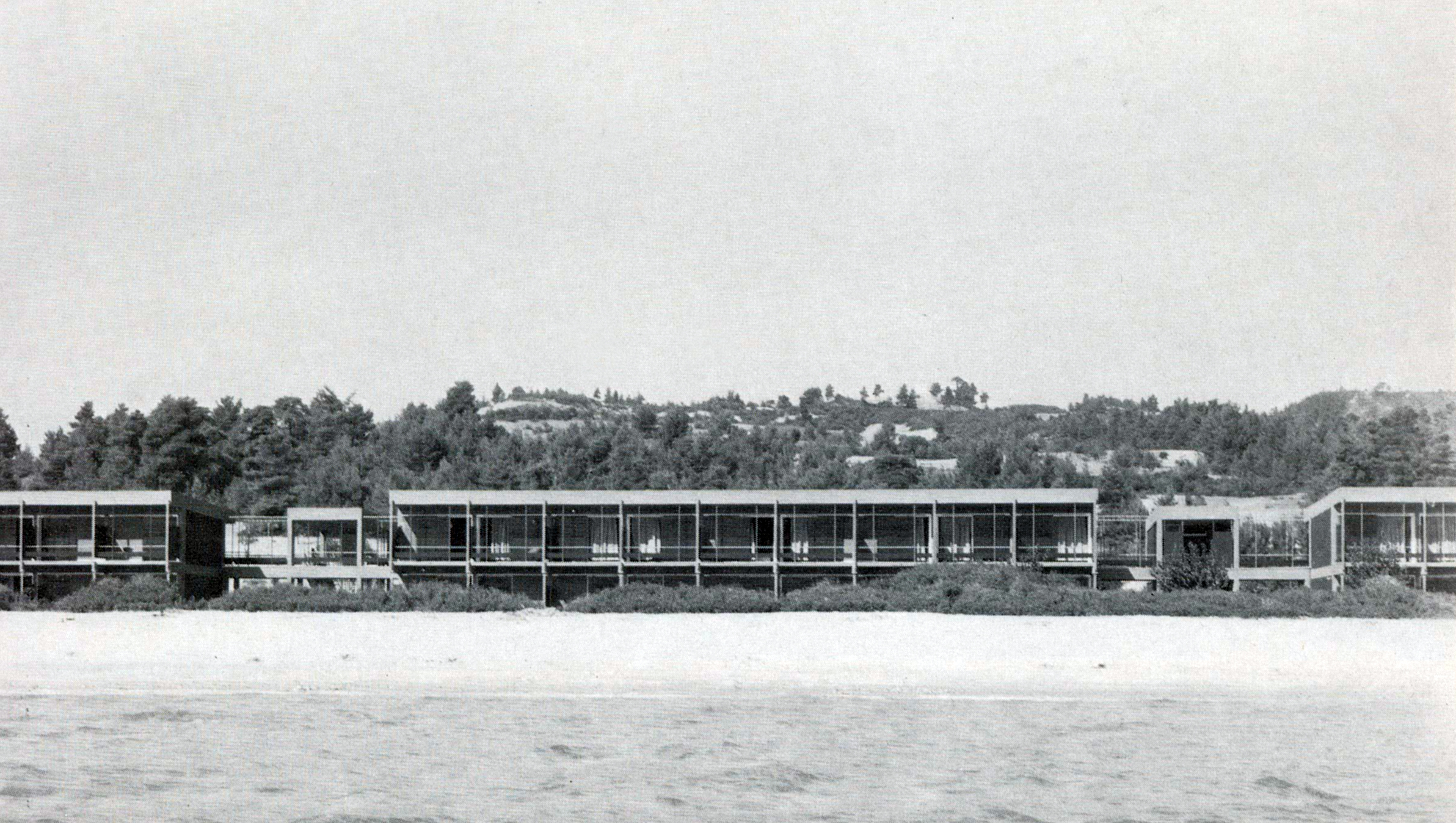
***3 Unfortunately, to build this palace of Neo-Ottoman kitsch that would make Davutoğlu proud, one of Greece’s classic old Xenia hotels, masterpieces of post-war Greek Modernism and most designed by architect Aris Konstantinidis, was torn down, and most of these hotels have suffered similar fates throughout the country, as the nationally run State Tourist Organization was forced to sell off its assets by the privatization forced on Greece then and to this day.
The Jiannena Xenia, above, built in the old wooded grove of Guraba, just above the center of town, and, below, perhaps Konstantinidis’ masterpiece, the Xenia at Paliouri in Chalkidike. (click)
Fortunately, Jiannena preserves one of Konstantinidis’ other masterpieces, its archaeological museum, below. (click)
****4 Ironically, the strudel that Croats and Slovenes imagine themselves eating in their Viennese wet dreams is probably a descendant of börek; and take it a step further: let’s not forget that croissants and all danish-type puff pastry items are known generically as viennoiserie in French. So the ancestor of some of the highest creations of Parisian/French/European baking arts is something that a Slovene says “nein danke” to in order to prove how European he is. Talk about the farcicalness of “nesting orientalisms.”
*****5 Of course, in every case, this assumption-cum-accusation, about the parasitic South draining the North of its resources, is patent bullshit. Southern Italy, the southern Republics of Yugoslavia, Castille, Galicia, Andalusia, and the southern tier of the European Union today, may get disproportionately more in the allotment of certain bureaucratic funds compared to the tangible wealth they produce. But they also provide the North, in every single one of these cases, with resources, labor and markets on which that North gets rich to a far more disproportionate degree and stunts the South’s growth in the process. So haydi kai…
It’s become a common-place — and not inaccurate — observation that the catastrophic economic pressure Germany is today exercising on the nations of Southern Europe for the sake of making some sick moral pointis the fourth time it’s wrecked Europe in less than a century — the third time being when it decided, immediately upon reunification, to show the continent it was a political player again by practically single-handedly instigating the destruction of Yugoslavia.
******6
Over-oreganoed and over-lemoned — like much of Greek food — and overdone, over-salted and over-oiled, perhaps the only thing more repulsive than the soggy potatoes Old Greeks bake with lamb or chicken (though one horrible restaurant — which New Yorkers are for some reason crazy about: I mean like “take-the-N-train-out-to-Astoria-and-wait-for-a-table-for-an-hour” crazy — criminally serves them with grilled fish) is the serving of stewed meat with french fries. You’ve hit the rock bottom of Neo-Greek cuisine when you’ve had a dry, stringy “reddened” veal or lamb dish accompanied by what would otherwise be good, often hand-cut french fries, sitting limply on the side and sadly drowning in the red oil.
Through the Shahnameh, Alexander, sometimes as an invading villain, sometimes as a great hero, (but then the Shahnameh is an intensely complex work morally), has entered the legend canon of all Persianate societies. Pashtuns in particular, for whom the melding of “invading villain” and “great hero” must have a special resonance (smile…) think that Alexander — Sikandar — is a particularly lucky and propitious name to give a boy. (See: The Cup of Jamshid)
“FOUR hundred miles from the bustling metropolis of Tehran lie the magnificent ruins of Persepolis. Built some 2,500 years ago, Persepolis was the royal seat of an Iranian empire that, at its height, stretched from the Indus Valley to the Mediterranean Sea. Though the imperial city was sacked two centuries later by Alexander “the Accursed” (as Iranian chroniclers referred to him), the towering columns and winged beasts that still stand guard over the lost throne of Iran serve as a reminder of what was once among the most advanced civilizations on earth.
“I first visited Persepolis two years ago. Born in Iran but raised in the United States, I knew the place only from dusty academic books about the glories of pre-Islamic Iran. I was totally unprepared for the crowds I saw there. Busloads of schoolchildren from nearby Shiraz filed through the complex of temples and palaces. A tour guide walked an older group up a stone stairway etched with row upon row of subject nations humbly presenting themselves before the king, or shah, of Iran. Families laid out sheets and napped in the shade cast by the intricately carved walls.
“Breaking away from the crowd, I noticed a boy scrawling graffiti on the side of a massive stone block. Horrified, I shooed him away. When I moved closer to see what he had written, I immediately recognized a verse, familiar to many Iranians, taken from the pages of Iran’s national epic, the “Shahnameh.”
Damn this world, damn this time, damn this fate, That uncivilized Arabs have come to make me Muslim.
“Written more than a thousand years ago by Abolqasem Ferdowsi, the “Shahnameh,” or “Book of Kings,” recounts the mythological history of Iran from the first fitful moments of creation to the Arab conquest of the Persian Empire in the seventh century A.D. Ferdowsi was a member of Iran’s aristocratic class, which maintained a strong attachment to the heritage of pre-Islamic Iran…”
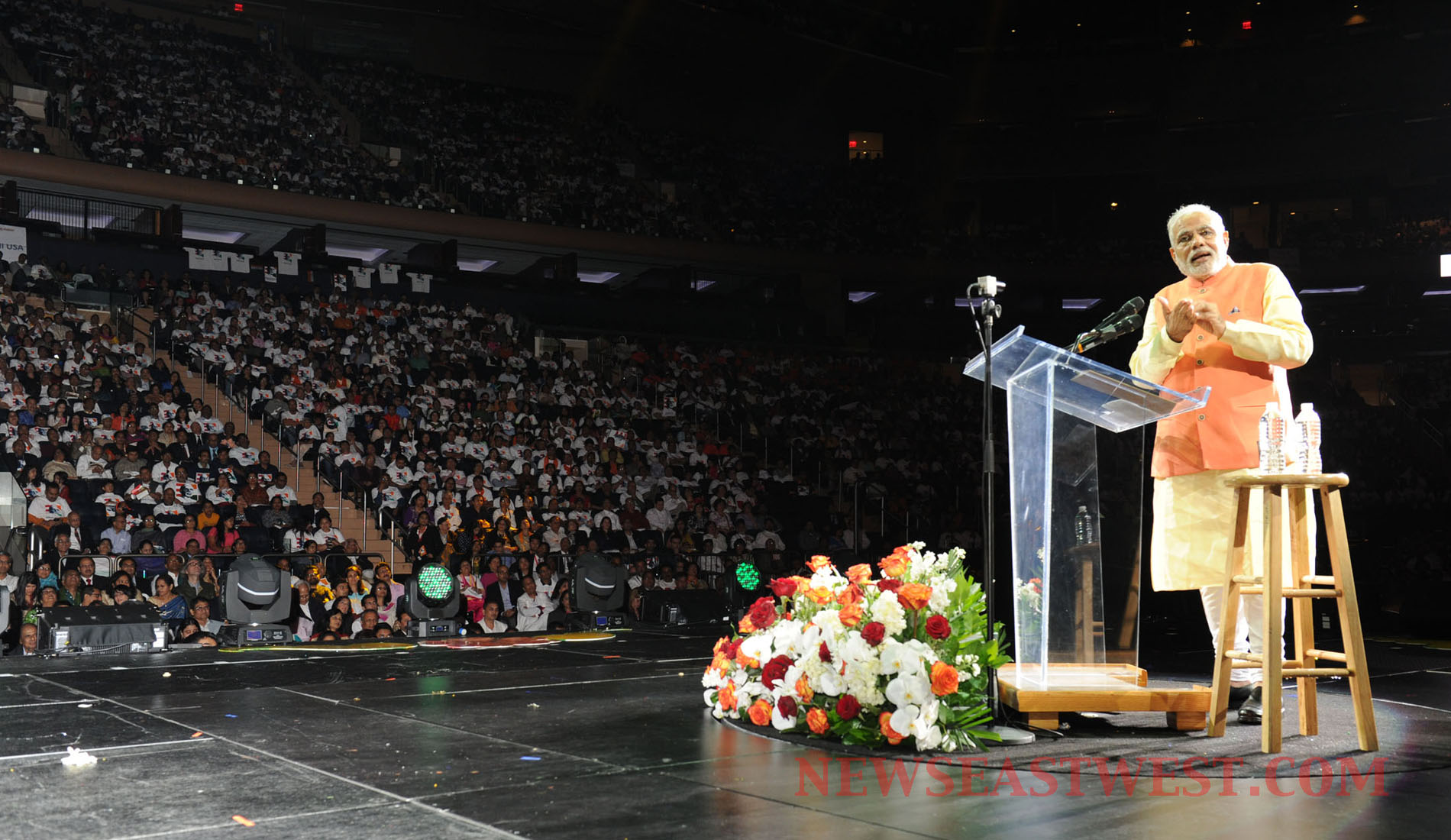
…and that obnoxious Bollywood spectacular that was staged for him this fall at Madison Square Garden…or anyone except for a few lone voices… If his party had been a Muslim party, we would have found a military to remove him already. How much of this “no-alarm” attitude is a product of New-Agey, Western ideas about Hinduism’s “meek-and-mildness.” Lots of saffron, namastes and marigolds all around, so things are cool.
“During the last days of its winter session ending on Tuesday, Parliament was unable to deal with important legislative business because of repeated adjournments and an uproar over attempts by Hindu groups to convert Christians and Muslims. The issue has come to a head following a “homecoming” campaign by the Rashtriya Swayamsevak Sangh and the Vishwa Hindu Parishad — groups dedicated to transforming India’s secular democracy into a Hindu state — to “reconvert” Christians and Muslims to Hinduism.
“In recent weeks, Hindu militants have engineered conversions of Muslims and Christians in Agra and in the states of Gujarat and Kerala. Police are investigating accusations that people have been induced to participate in mass conversion meetings by a combination of intimidation and bribery, including the promise of food ration cards. Attacks on Christians and their places of worship have intensified in recent weeks. One of New Delhi’s biggest churches burned down on Dec. 1 — arson is being blamed — and Christmas carolers were attacked on their way home in the city of Hyderabad on Dec. 12.”
Balkans, Anatolia, Caucasus, Levant and rest of ME, Iran, South Asia
Me, I'm Nicholas Bakos, a.k.a. "NikoBako." I'm Greek (Roman really, but when I say that in English some five people in the world today understand what I'm talking about, so I use "Greek" for shorthand). I'm from New York. I live all over the place these days. The rest should become obvious from the blog.





 Map of Northern Ireland with distribution of Protestants (red) and Catholics (green) according to age group, showing a clear demographic decline of Protestants.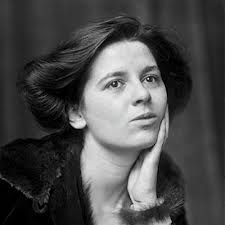
 A Bureau agent stands between armed groups of whites and Freedmen in this 1868 sketch from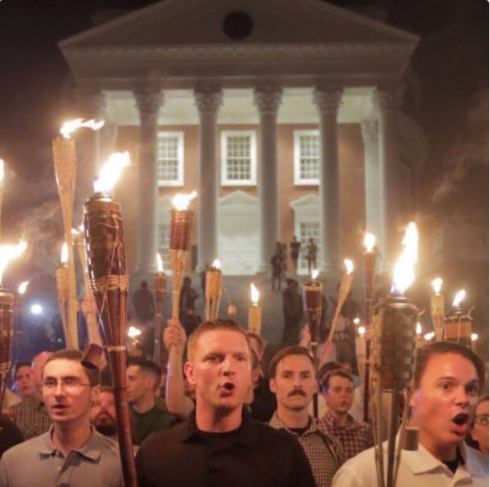






















 Jadde: from Bosnia to Bengal